URGENT UPDATE: Florida lawmakers are taking a stand against Donald Trump’s controversial plan to expand offshore oil drilling along the nation’s coasts. Just last month, elected officials from Florida voiced strong opposition, emphasizing the potential ecological and economic dangers of drilling in the eastern Gulf.
Rep. Vern Buchanan (R-Fla.) stated, “It affects tourism and more importantly, it’s just bad for the environment.” Similarly, Sen. Ashley Moody (R-Fla.) described the plan as “HIGHLY concerning.” With the Gulf already populated by thousands of oil rigs, the section nearest to Florida has never hosted producing wells, raising alarms about the risks associated with such expansion.
The stakes could not be higher for Florida, a state that thrives on its pristine coastlines and vibrant tourism sector. The threat of oil spills tarnishing beaches poses an existential crisis, potentially harming the economy and the environment. “Healthy coastlines are our ecological and economic engines,” warned Elise Bennett, Florida and Caribbean director at the Center for Biological Diversity.
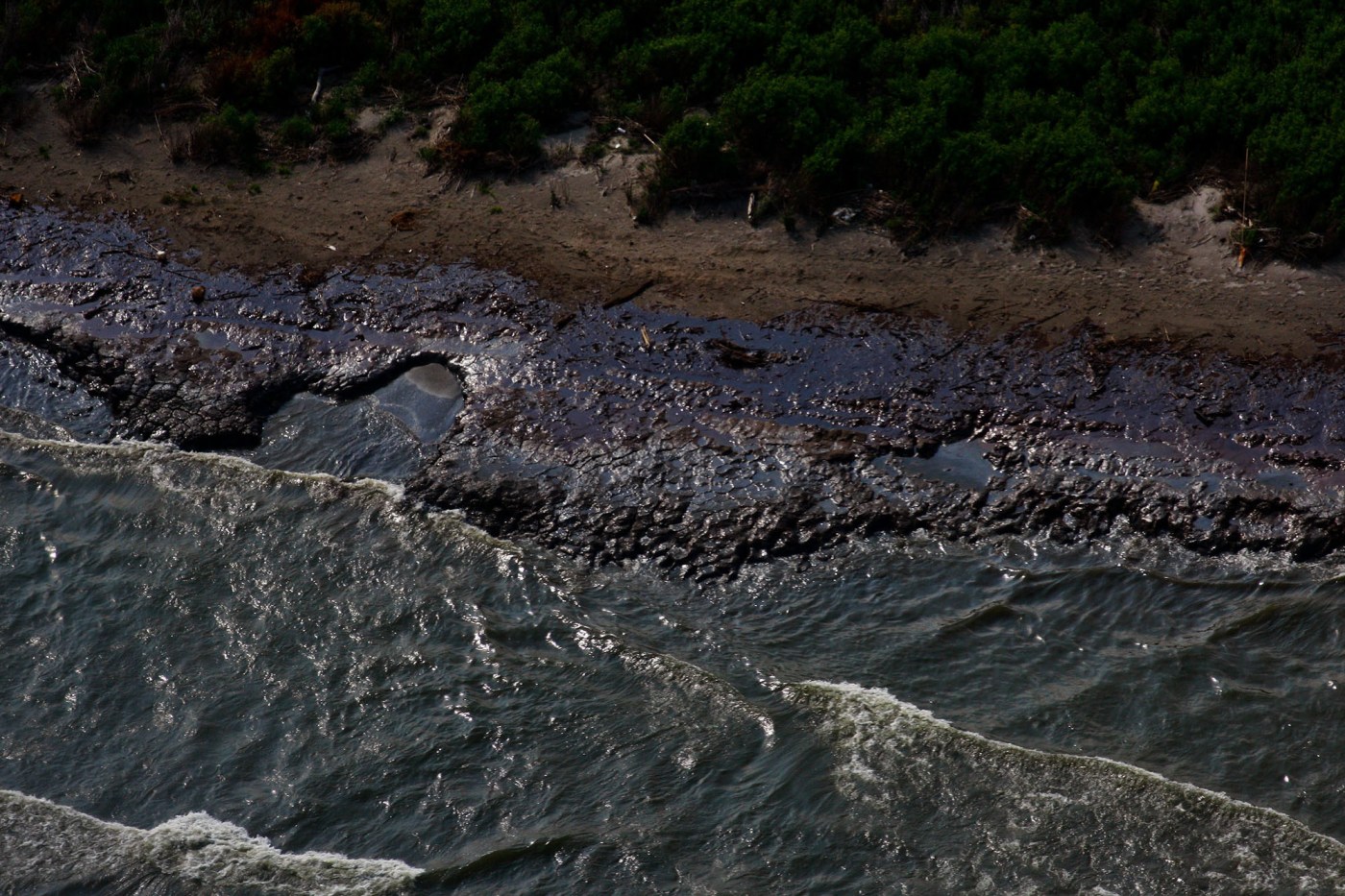
However, lawmakers must broaden their focus. Opposing drilling only in Florida is insufficient. The entire Gulf Coast, as well as regions in Alaska and California, face similar risks. The catastrophic 2010 BP Deepwater Horizon disaster serves as a poignant reminder; oil from that incident reached Pensacola’s shores, resulting in over $3 billion in damages and sending tourists fleeing.
Florida is also grappling with the harsh realities of climate change. Recent reports indicate that extreme heatwaves and marine heatwaves are decimating ocean life. In October, two crucial coral species, elkhorn and staghorn, were declared “functionally extinct” in the Florida Keys. This loss not only devastates marine ecosystems but also heightens the risk of coastal flooding.
Despite a relatively mild hurricane season in 2025, Floridians remain acutely aware of the destructive potential of storms like Helene and Milton. Increased storm intensity, fueled by warmer waters, poses an ongoing threat. Furthermore, sunny-day flooding in Miami worsens, necessitating costly repairs and adaptations.
The urgency of addressing fossil fuel production is clear. As Bennett notes, the only path forward involves ceasing drilling and investing in renewable energy sources. While Florida senators and representatives are right to oppose local drilling, they must also advocate against expanded offshore drilling nationwide.
Trump’s plan to auction off oceans for fossil fuel extraction could have devastating long-term consequences. Florida officials must unite in their opposition, promoting a sustainable future that prioritizes ecological integrity over short-term political gains.
As these developments unfold, the call for action is clear: legislators must stand firm not only for Florida’s coastline but for the well-being of all Americans facing similar threats. The time for decisive action is NOW.