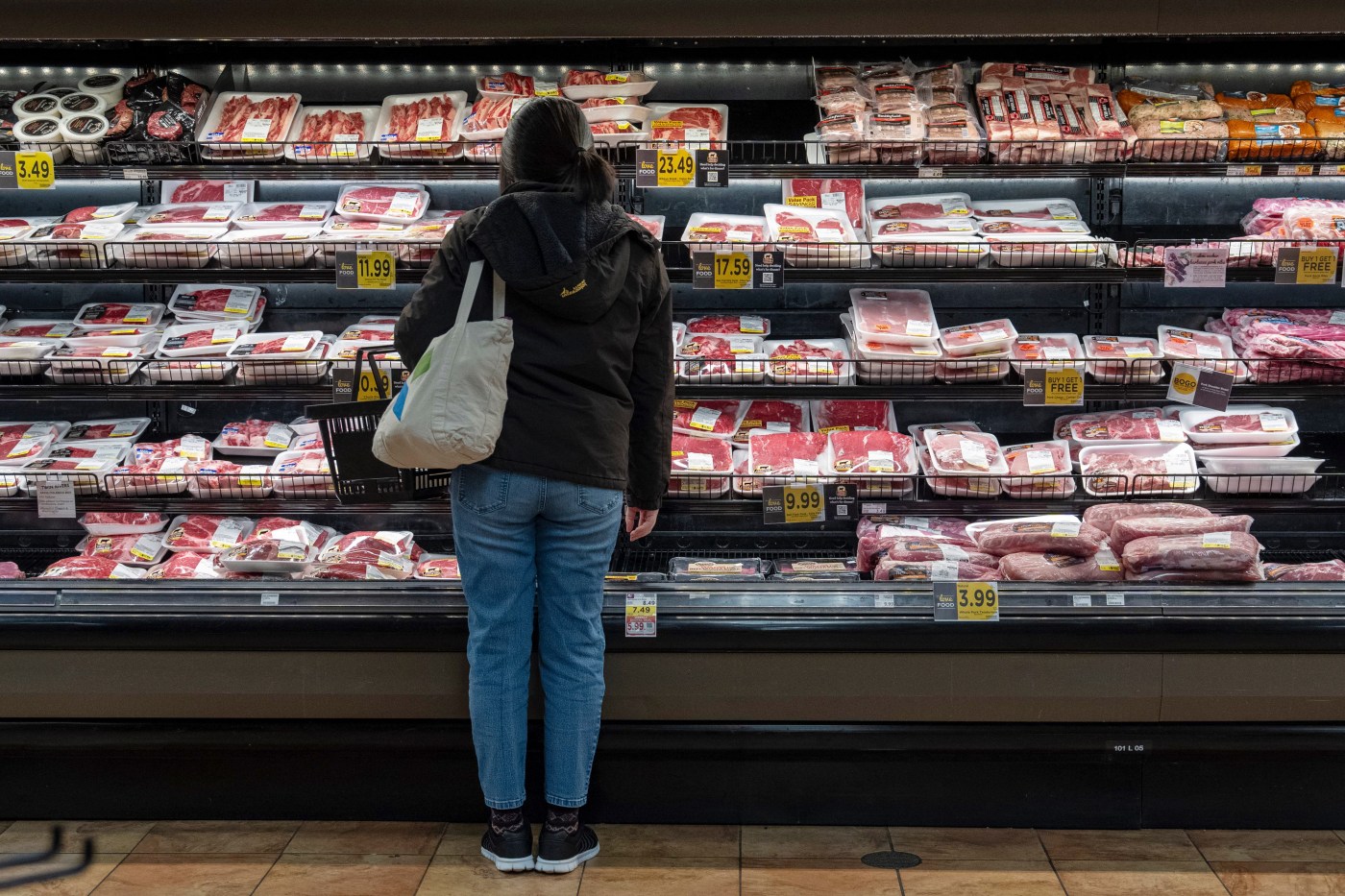
UPDATE: The latest consumer price report from the U.S. Bureau of Labor Statistics reveals a significant 3.1% surge in food prices, while gas prices have notably decreased by 5.5%. This urgent update highlights the shifting landscape of consumer expenses as inflation hits 2.7% year-over-year.
Recent data confirms a 0.3% increase in consumer costs for the month of December, reflecting a broader trend as Americans feel the pinch of rising grocery bills. Staple items like milk, bread, and ground beef all saw price hikes, while the average cost of gasoline has dropped to $3.05 per gallon.
According to the report, essential grocery items have inflated, with milk prices rising to $4.05 per gallon, and ground beef climbing to an average of $6.52 per pound, marking an alarming 18% increase since last January. Conversely, the cost of eggs has dropped to $2.71 for a dozen, a 35% decrease since the previous year.
This disparity between food and fuel prices is critical for American households, particularly as energy costs remain high. The average household electricity bill stands at approximately $170 per month, with natural gas prices rising by nearly 12% compared to last year, now averaging $1.70 per therm.
“The rising costs of food are a direct concern for families across the nation,” said an official from the Bureau of Labor Statistics. “Conversely, the decline in gas prices offers some relief, but not enough to offset the overall cost of living.”
As consumers brace for these changes, the Tribune is actively tracking the prices of 11 essential items, including eggs, milk, bread, and gasoline, providing monthly updates based on the latest CPI data.
Experts attribute the increase in food prices to a combination of factors, including supply chain disruptions and inflationary pressures exacerbated by ongoing trade policies. President Donald Trump has previously announced agricultural exemptions aimed at curbing grocery costs, but the effects remain to be seen.
In a developing story, the price of oranges fell to $1.57 per pound, a decrease of 23 cents since September, while banana prices stagnated at $0.66 per pound, despite tariffs impacting import costs. Meanwhile, the cost of chicken has slightly decreased to $2.02 per pound, yet the overall price trajectory remains concerning for consumers.
As families adjust their budgets, the impact of rising food prices coupled with declining gas costs presents a complex economic picture. The necessity for urgent actions and policy adjustments to alleviate financial strains on American households is more pressing than ever.
Looking ahead, consumers are advised to monitor these trends closely as further changes in both food and fuel pricing are anticipated in the coming months. Stay tuned for ongoing updates on this evolving economic situation.