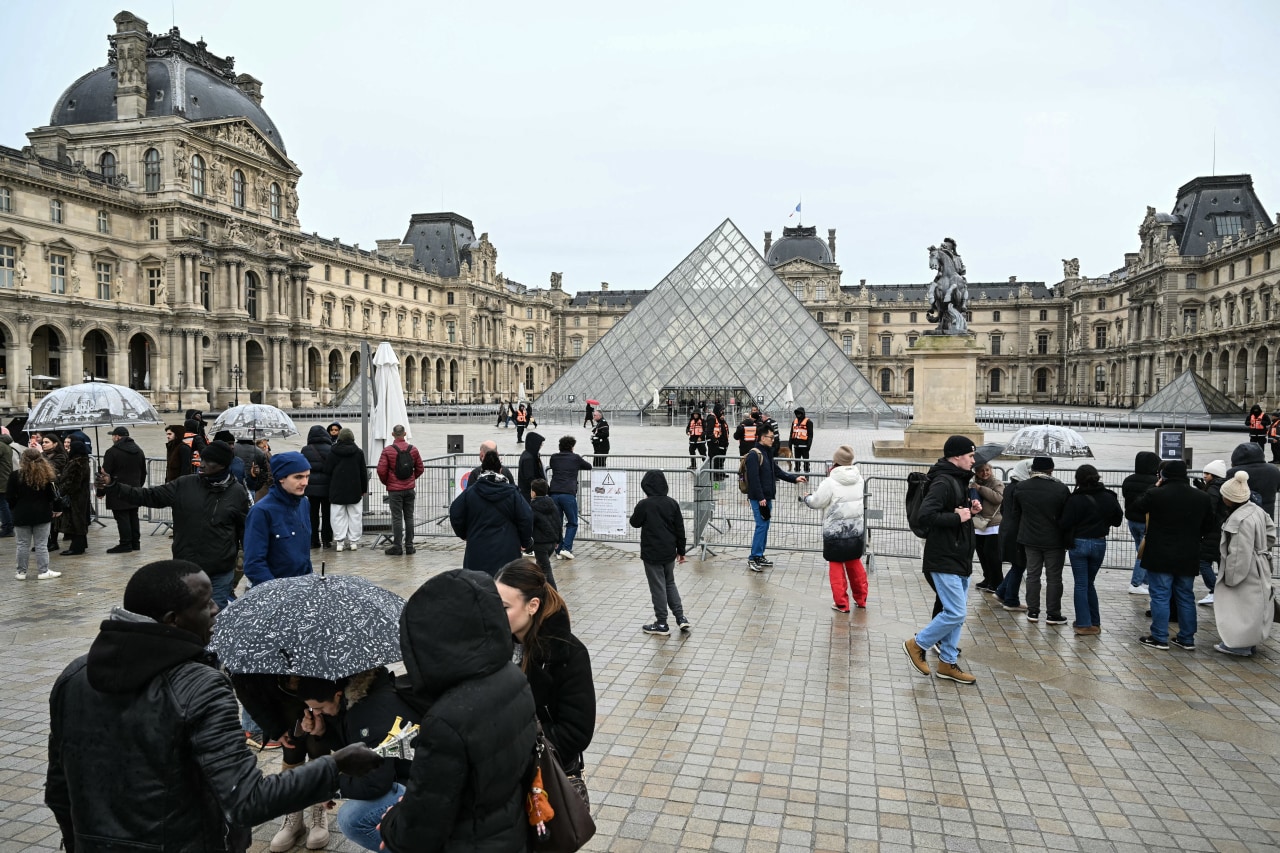
The Louvre Museum in Paris has come under scrutiny as allegations surface that a group of tour guides defrauded the institution out of approximately €12 million. Investigations reveal that these guides allegedly reused tickets and bribed museum security personnel to bypass standard protocols. This scandal has raised serious concerns about the integrity of ticket sales and visitor management at one of the world’s most visited museums.
According to a report by French authorities, the scheme involved tour guides escorting groups of Chinese tourists through the museum. Rather than issuing valid tickets for each visitor, the guides reportedly reused tickets multiple times. This practice not only undermines the museum’s revenue but also poses risks regarding crowd management and visitor safety.
The investigation has unveiled that some security staff were allegedly complicit in the operation. By accepting bribes, they turned a blind eye to the repeated use of tickets, allowing the guides to maximize their profits without adhering to the museum’s regulations. This collaboration has raised questions about the enforcement of security measures at the Louvre, which attracts millions of visitors annually.
The Louvre, renowned for housing priceless works of art, has seen a significant increase in visitors from China over the past decade. In 2019 alone, the museum welcomed over 10 million visitors, with a substantial portion coming from the Chinese market. The impact of this fraudulent activity may have far-reaching consequences, not only for the museum’s finances but also for its reputation as a premier cultural institution.
Paris authorities have launched a thorough investigation into these allegations. They are examining financial records and ticketing systems to identify the scale of the fraud and the individuals involved. The museum’s management has stated their commitment to ensuring transparency and integrity in all operations, emphasizing the importance of maintaining public trust.
As the investigation unfolds, the Louvre has temporarily tightened its ticketing procedures to prevent further incidents. New measures are being implemented to enhance security and oversight, including stricter monitoring of ticket sales and increased collaboration with law enforcement. The museum aims to reassure visitors that their experiences will remain safe and secure.
This scandal highlights broader issues within the tourism industry, particularly regarding the management of large volumes of visitors at major attractions. With the growing trend of digital ticketing, museums and other cultural sites must innovate to prevent fraudulent practices while ensuring a seamless experience for tourists.
The fallout from this situation may also lead to increased scrutiny of tour operators and their practices. As tourists increasingly rely on guides for their cultural experiences, it is essential for both institutions and visitors to demand ethical conduct and transparency.
In conclusion, the allegations against the tour guides at the Louvre serve as a reminder of the vulnerabilities in ticketing systems and the need for robust security measures. As investigations continue, the museum’s response will be critical in shaping public perception and restoring trust within the international tourism community.