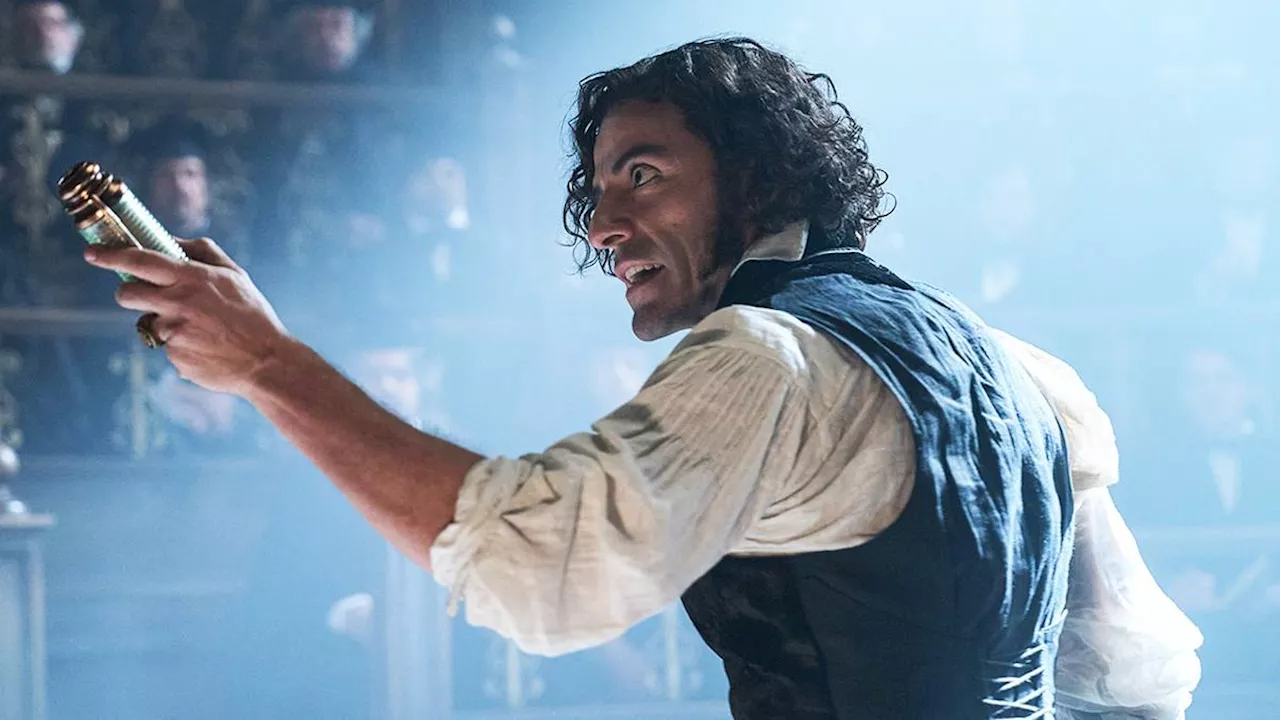
UPDATE: Guillermo del Toro’s much-anticipated film adaptation of ‘Frankenstein’ has officially debuted on Netflix as of October 17, 2025, following a brief theatrical run. This Gothic horror reimagining of Mary Shelley‘s classic novel arrives just as audiences seek chilling narratives for the fall season.
In this version, del Toro delivers a poignant exploration of father-son dynamics and the ethical dilemmas of creation, diverging significantly from Shelley’s original text. Here’s a breakdown of the most striking changes that redefine the story for contemporary viewers.
1. Victor Frankenstein’s Tragic Backstory
Unlike the novel, where Victor’s upbringing is largely positive, the film portrays him as a victim of his father’s harsh treatment. Del Toro’s adaptation features Leopold Frankenstein, played by Charles Dance, whose oppressive parenting shapes Victor into a flawed man, emphasizing the theme of “the sins of the father.”
2. The Crimean War Setting
Del Toro shifts the timeline to 1855, during the Crimean War, granting Victor access to more corpses for his experiments. This notable change not only situates the film in the Victorian era but also aligns it with other iconic monster tales, enhancing its dark visual storytelling.
3. Introduction of Henrich Harlander
In a significant departure from the original, the film introduces Henrich Harlander, a benefactor who aids Victor in his gruesome work. This character, absent in Shelley’s narrative, adds a layer of complexity to Victor’s motivations and actions.
4. Omission of Key Characters
Several pivotal figures from the novel, including Justine and Henry Clerval, are entirely missing in del Toro’s adaptation. This absence alters the narrative dynamics and the consequences of Victor’s actions, particularly regarding Justine’s tragic fate.
5. A Gruesome Fate for the Creature’s Friend
The film portrays the Creature’s only friend, an elderly blind man, as brutally killed by wolves, a stark contrast to the novel where he survives. This event intensifies the Creature’s anguish and fuels his rage against Victor.
6. Elizabeth’s Role Transformed
The character of Elizabeth undergoes significant transformation; she is no longer Victor’s cousin but the niece of Harlander, complicating their relationship further. Their differing worldviews on life and death set the stage for tragic consequences, diverging sharply from the supportive role she plays in the novel.
7. No Bride for the Creature
Del Toro’s adaptation eliminates the Bride character entirely. Instead, Elizabeth takes on a surrogate role, deepening the emotional stakes of the Creature’s isolation and desire for companionship.
8. Focus on Creation
While Shelley’s novel delves deeply into the aftermath of the Creature’s awakening, del Toro’s film places greater emphasis on Victor’s chaotic process of creation, showcasing his experiments and moral conflicts in a dramatic fashion.
9. The Creature’s Humanity
In a notable shift, the film presents a more sympathetic Creature. Unlike the novel’s portrayal of a monstrous being, del Toro’s version highlights the Creature’s struggles and emotional depth, aiming to elicit audience empathy.
10. A Different Conclusion
The film concludes with a profound moment of reconciliation between Victor and the Creature, a stark contrast to the novel’s bitter ending. Victor asks for forgiveness, allowing the Creature to embrace life, showcasing a transformative journey rarely seen in adaptations.
As audiences dive into del Toro’s reimagined world, they will find a blend of horror and emotional depth that resonates with modern themes of responsibility and ethical boundaries in creation.
This adaptation has already sparked discussions among fans of the original novel and newcomers alike, making it a must-watch for anyone intrigued by the complexities of human nature and the consequences of scientific ambition. Share your thoughts and reactions as this story unfolds on streaming platforms worldwide.