URGENT UPDATE: Hamas has just handed over two coffins of deceased hostages to Israeli authorities late Saturday, marking a significant moment in the ongoing ceasefire discussions. Prime Minister Benjamin Netanyahu is intensifying calls for faster action from the terrorist group to expedite the release of the remaining hostages from Gaza.
The transfer took place as the bodies were received in Israel and transported to the National Institute of Forensic Medicine. No names have been released yet, creating a tense atmosphere as families await news of their loved ones.
In a related development, Israeli officials confirmed earlier today that the Rafah Crossing, Gaza’s only gateway to the outside world, will remain closed “until further notice.” This decision ties directly to Hamas’ commitment to release the remains of the deceased. Initially, it was expected the crossing would reopen tomorrow, but the current situation has prompted a reevaluation.
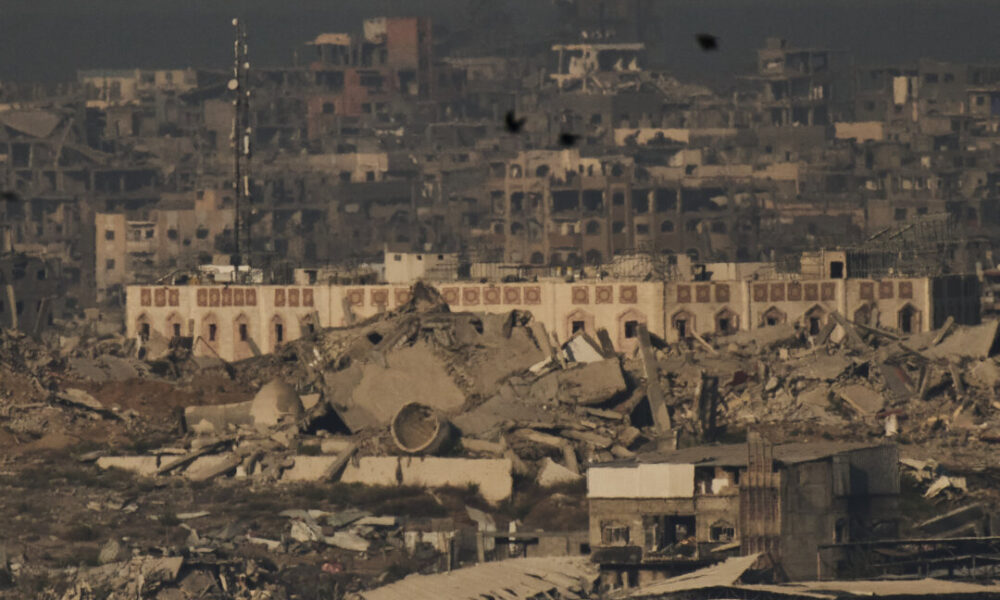
As of now, Hamas has delivered the remains of 12 out of 28 hostages, a crucial step in the fragile ceasefire process that aims to end nearly two years of conflict between the two sides. The terrorist group has cited extensive devastation and Israeli military control over certain areas in Gaza as factors delaying the handover of the remaining bodies.
This development not only illustrates the complex negotiations behind the scenes but also highlights the urgent human toll of the ongoing conflict. Families are left in limbo, grappling with grief and uncertainty as they await further updates.
Moving forward, all eyes will be on the negotiations between Israel and Hamas. The international community is watching closely, as each step could either pave the way for lasting peace or lead to renewed hostilities. The situation remains fluid, and updates are expected to emerge rapidly.
Stay tuned for more details as this story develops. Share your thoughts and concerns on this pressing issue, as the impact of these decisions continues to resonate deeply within affected communities.