URGENT UPDATE: The Hurley Town Board is taking swift action to address a pressing issue regarding dog waste disposal on local rail trails. During a meeting on November 25, Hurley Rail Trail Committee Chairman Ralph Durham highlighted the lack of protocols for maintaining dog waste receptacles, a situation he described as “in pretty bad shape.”
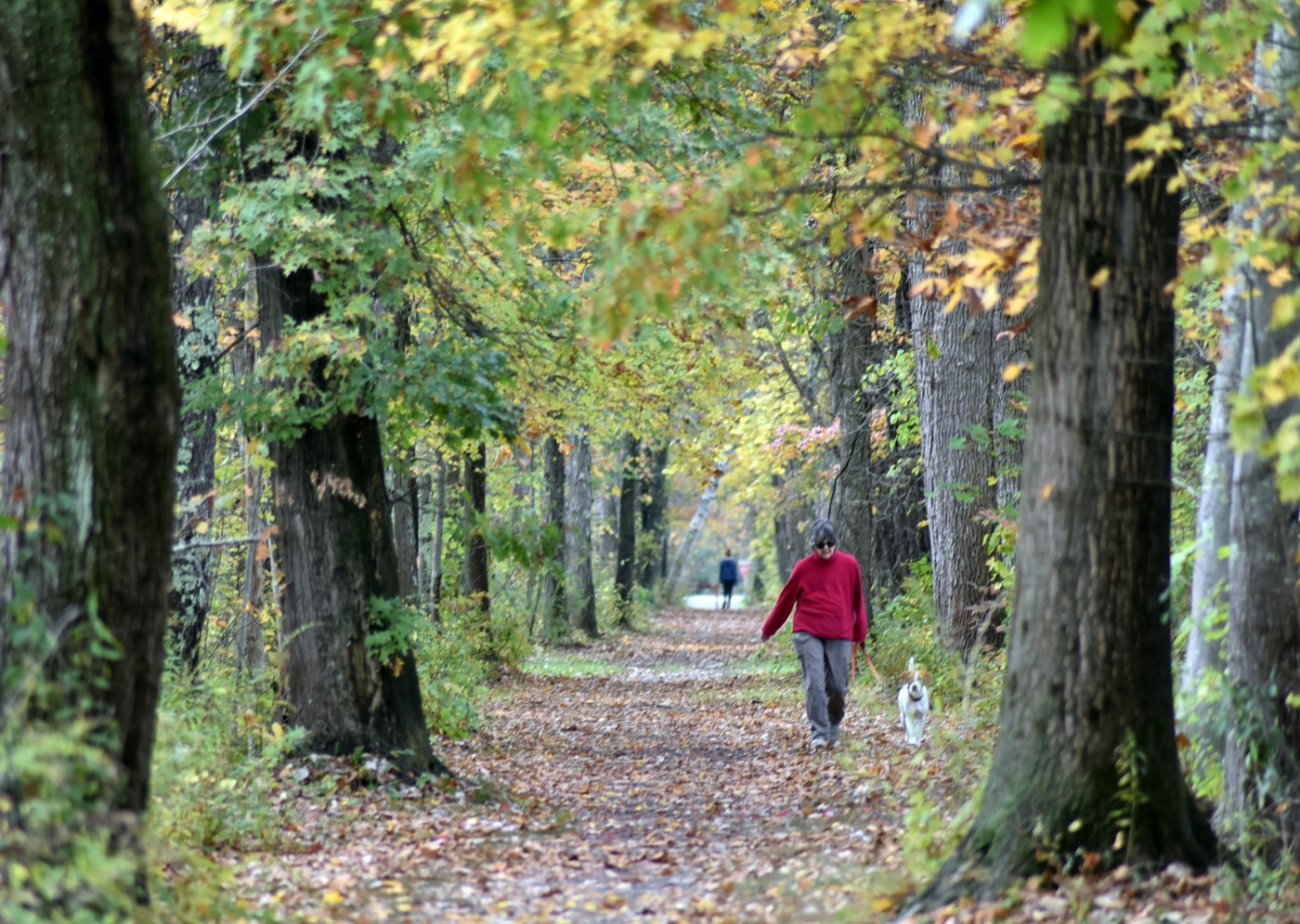
Residents and dog owners are feeling the impact immediately, as overflowing waste stations threaten the cleanliness and enjoyment of the 3-mile Hurley Rail Trail, part of the larger 18-mile O&W Rail Trail. “I started walking the trail and driving to each location, and they were pretty full,” Durham explained. He personally cleared out the overflowing receptacles, taking the waste to the town dump.
The meeting revealed a critical gap in communication and responsibility. Previously, the maintenance of these waste stations was managed informally by volunteers. However, with no formal protocols in place, replacements for dog waste bags were not consistently ordered, leading to significant concerns from trail users.
“Knowing that I’m now doing this…I sent emails around to my committee asking for participation and to see if I could set up a schedule,” Durham stated. “The answer was not exactly what I was hoping for.”
Despite attempts to engage committee members, there was visible dissent about the responsibility of maintaining the waste stations. Town Supervisor Michael Boms acknowledged the oversight, stating, “The only reason we haven’t done it in the past was we’ve never been asked to do it.” Boms confirmed he has requested maintenance workers to assist but indicated that the Rail Trail Committee had previously taken on this responsibility.
The issue stems from regulations established in 1996 for the Hurley-Marbletown Linear Park, which originally governed the use of the area now known as the Hurley Rail Trail. As a vital part of the community, the trail not only offers recreational opportunities but also promotes local tourism and outdoor activities, making the maintenance of these facilities crucial.
As Hurley officials move forward, the community is left wondering what steps will be taken next to establish a reliable system for managing dog waste. With the potential for increased visitor traffic, it is essential that the trail remains clean and welcoming.
Authorities are now tasked with developing a formal maintenance plan and ensuring that the necessary supplies are ordered and distributed regularly. Updates on this situation are expected in the coming days as residents and officials alike monitor the trail’s condition closely.
The community is encouraged to stay engaged and offer support as the board works to resolve this pressing issue. For dog owners and trail users, the urgency of this situation cannot be overstated—clean trails are essential for a healthy, vibrant outdoor experience.