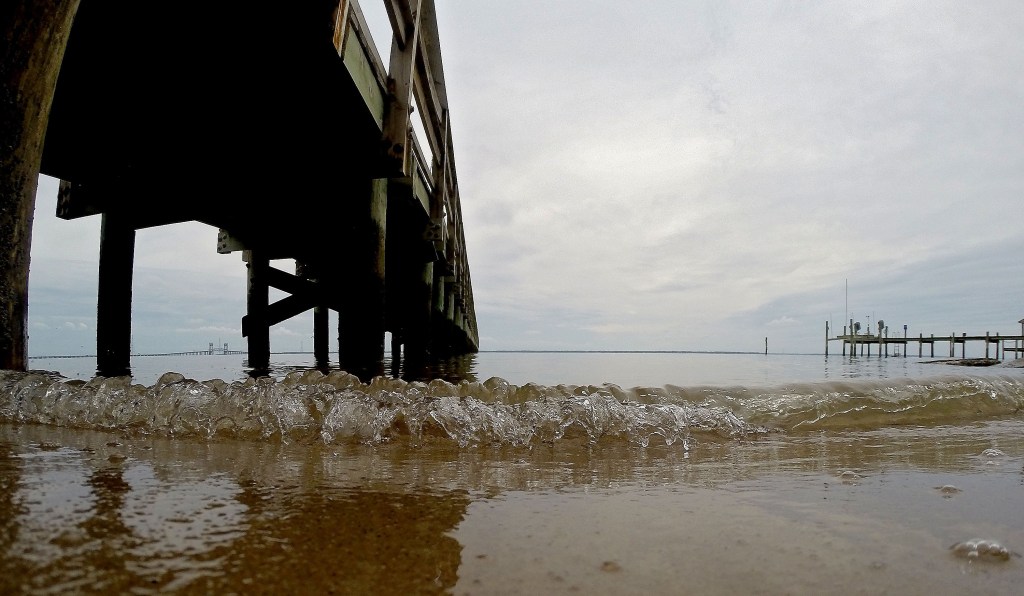
UPDATE: Today marks the 50th anniversary of the closure of the James River, a significant environmental disaster that transformed Virginia’s waterways and health policies. On December 17, 1975, then-Governor Mills Godwin announced a ban on commercial and recreational fishing due to alarming contamination levels from the pesticide Kepone. This urgent measure aimed to protect citizens from a serious health risk caused by the unauthorized discharge of toxic chemicals.
The ban on fishing devastated the local economy, costing the fishing industry an estimated $18 to $20 million—equivalent to about $80 million today. The fallout from Kepone contamination not only sickened numerous residents but also highlighted severe environmental negligence, leading to a grassroots movement for change.
Initial investigations found that Allied Chemical Corp. was responsible for dumping between 20,000 and 40,000 pounds of Kepone into the James River. The pesticide was produced at their facility in Hopewell, Virginia, where workers were exposed to hazardous chemicals without proper protection. Employees reported severe health issues, including tremors, due to ongoing exposure to Kepone dust.
“Nothing’s given to you out there,” said J.C. Hudgins, president of the Virginia Waterman’s Association, reflecting on the economic struggles faced by local watermen. “Kepone had a huge impact on many watermen.”
In response to the disaster, Virginia established significant environmental protections, including the creation of the Virginia Environmental Endowment with $8 million in funding. This organization has since generated over $130 million for environmental projects throughout the state.
The Kepone disaster also sparked the formation of the James River Association in 1976, driven by local citizens who recognized the need for advocacy to protect their vital waterway. Today, the organization continues its mission to improve the health of the river, boasting a current grade of B in its State of the James Report.
While the levels of Kepone in the river have decreased over the years, experts warn that the pesticide’s legacy remains. “Much of the Kepone is still there, buried under sediment,” warned Mike Unger, a retired professor who has studied the river extensively.
Despite the challenges, Virginia’s ongoing efforts to safeguard its waterways have made strides. The disaster led to the enactment of the Toxic Substances Control Act in 1976, shaping modern environmental regulations.
As the community reflects on this pivotal moment in history, the lessons learned from the Kepone disaster remain relevant. Residents and environmentalists advocate for continued vigilance against pollutants that threaten public health and the Chesapeake Bay.
The legacy of Kepone serves as a stark reminder of the importance of environmental protection. “We want to hit a grade A James River,” stated Bill Street, executive director of the James River Association. “Everyone deserves to have grade A drinking water.”
As awareness grows, so does the urgency for action. This anniversary not only commemorates a dark chapter in Virginia’s history but also highlights the ongoing fight for environmental justice and protection.