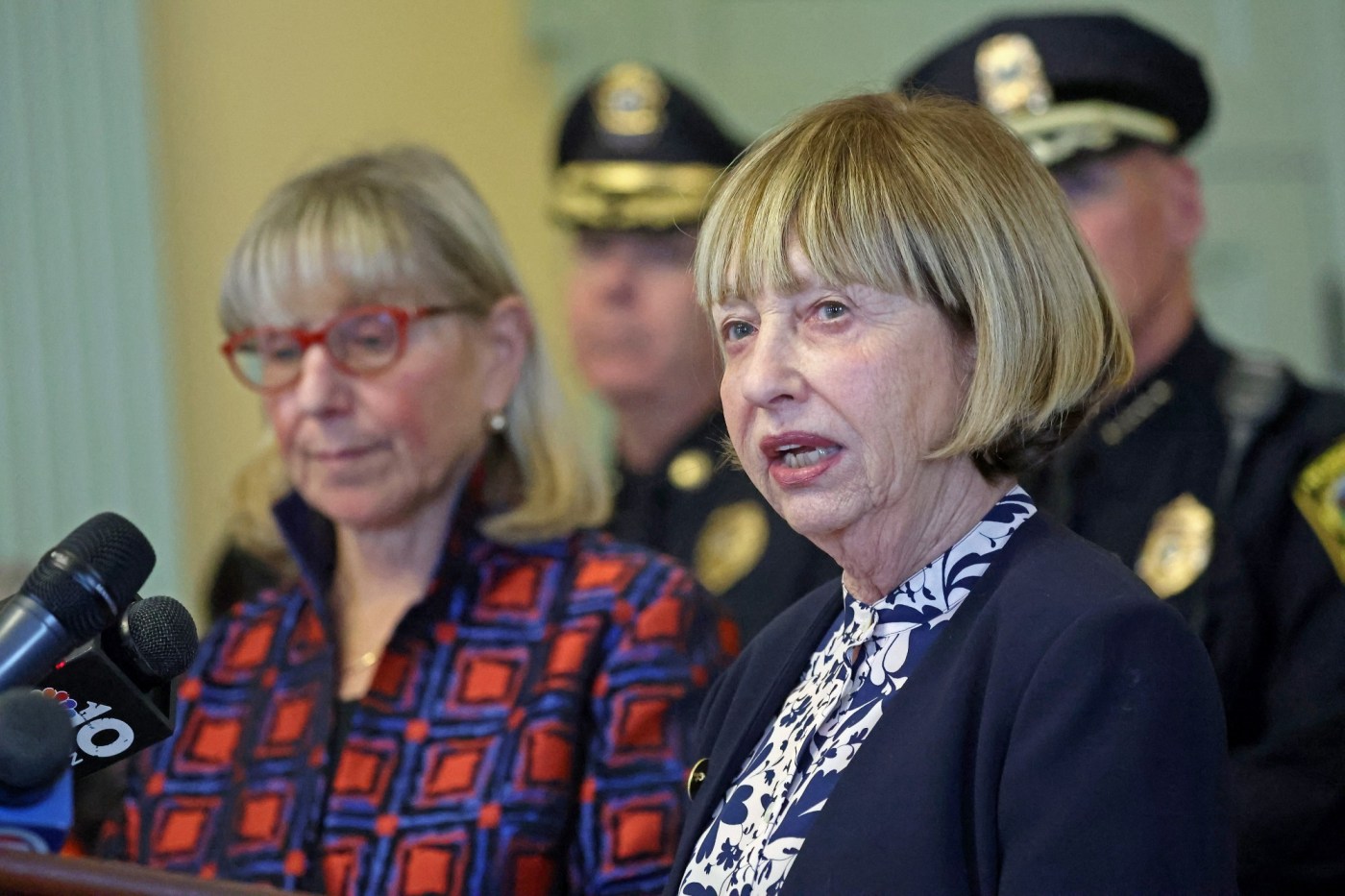
UPDATE: Massachusetts is facing backlash over a controversial new bill aimed at reducing personal vehicle driving miles to meet state climate targets. State Senator Cynthia Stone Creem (D-Newton) introduced the “Freedom to Move Act”, but critics are raising alarms about its implications for daily driving habits and rural communities.
Just announced, the legislation mandates that the Massachusetts Department of Transportation (MassDOT) establish goals for limiting vehicle miles traveled across the state. This approach is aimed at addressing the largest source of emissions, but it has sparked concerns about government overreach and its impact on residents’ daily lives.
Senator Stone Creem insists the bill will enhance transportation options without restricting personal freedom. “It does not impose fines, penalties, or taxes on drivers. In fact, it gives people more choices,” she stated in a recent interview with the Boston Herald. However, the bill’s critics argue it contradicts its name by potentially limiting driving options for many residents.
Critics, including State Senator Michael Barrett, express worries that such restrictions would disproportionately affect rural communities where residents often rely on personal vehicles for commuting. “I do worry about an unintended bias against rural Massachusetts,” Barrett said, highlighting the long commuting distances faced by those living outside urban centers.
The bill, which was discussed in a hearing earlier this year, aims to align Massachusetts transportation plans with climate goals, but opponents question whether it adequately considers the changing workforce landscape. Data indicates that 85% of businesses in the Greater Boston area have adopted hybrid work models, leading to a 15.1% commercial vacancy rate in the third quarter of 2025, a significant increase since the onset of the COVID-19 pandemic.
While the bill’s supporters argue that it addresses critical environmental concerns, many residents are left questioning its practicality in light of these shifting work patterns. The rise of remote working has already decreased vehicle miles traveled in the state, and critics suggest that existing public transportation challenges must be resolved before imposing further restrictions.
As the bill moves through the legislative process, all eyes are on how it will impact daily life for Massachusetts residents. Advocates for the bill highlight the need for cleaner transportation options, but the debate continues over whether the proposed measures will genuinely benefit all constituents.
What happens next? Lawmakers are expected to continue discussions and amendments to ensure that any regulations are equitable and practical for all residents. The outcome of this bill could reshape the future of transportation in Massachusetts, making it a critical issue to watch.
Residents are urged to stay informed as developments unfold. This legislation’s implications for both the environment and personal freedom are profound, and public opinion will play a crucial role in shaping the final outcome.