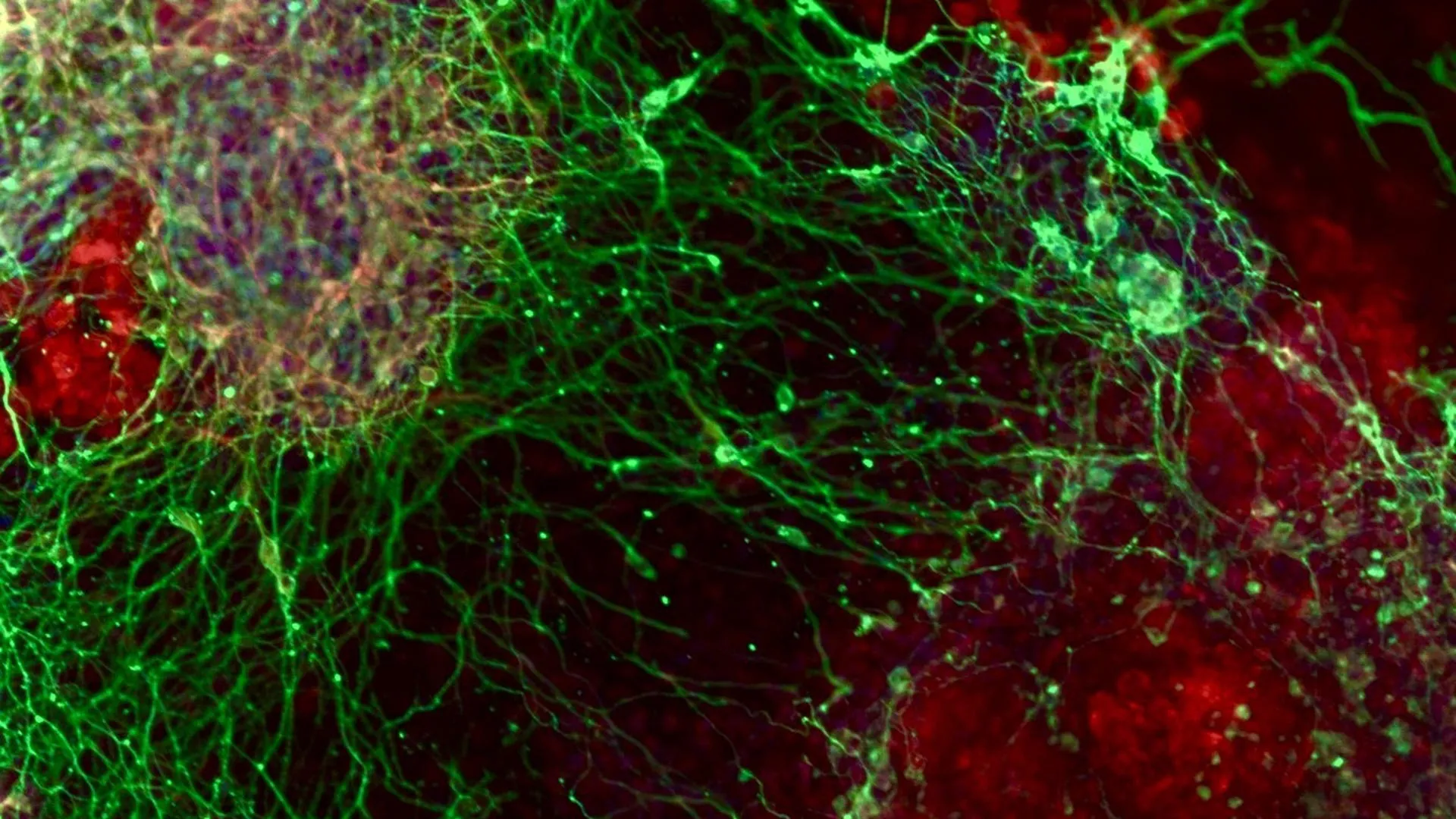
BREAKING: A groundbreaking gene hunt has uncovered vital insights into how brain cells are formed, revealing over 331 genes critical for this process. Conducted by researchers at The Hebrew University of Jerusalem, the study, published on January 5, 2026, could reshape our understanding of neurodevelopmental disorders, particularly autism and developmental delays.
Using advanced CRISPR gene-editing technology, led by Prof. Sagiv Shifman, the team systematically disabled nearly 20,000 genes to pinpoint the essential ones for transforming embryonic stem cells into neurons. This extensive research has unveiled a significant discovery: the gene PEDS1 is linked to a previously unknown neurodevelopmental disorder in children, impacting brain growth and nerve cell formation.
The implications of these findings are dire. A malfunctioning PEDS1 can lead to reduced brain size and disrupt the development of essential nerve cells. In genetic tests conducted on two unrelated families, children with severe developmental symptoms were found to carry rare mutations in PEDS1, further corroborating its role in brain development.
Prof. Shifman highlighted the importance of this research: “We created a map of the genes essential for brain development. Identifying PEDS1 as a genetic cause of developmental impairment opens the door to improved diagnosis and genetic counseling for families.”
In addition to identifying PEDS1, the study revealed broader genetic trends that could help predict how neurodevelopmental disorders are inherited. Genes that regulate other gene activities, often linked to dominant disorders, differ from metabolic genes like PEDS1, which typically require mutations in both gene copies to manifest symptoms.
Moreover, the researchers developed an “essentiality map” to distinguish genetic mechanisms associated with autism versus those linked to developmental delay. Genes integral to early nerve cell formation were found to correlate closely with autism, while those essential throughout development were tied to developmental delays. This vital information helps clarify why varying genetic disruptions can lead to similar symptoms.
To support future research efforts, the team launched an open online database that shares their findings with the global scientific community, allowing researchers to delve deeper into the genes identified in their study.
With these revelations, researchers hope to improve genetic diagnostics for neurodevelopmental conditions and guide future studies aimed at prevention and treatment. The urgency of this research cannot be overstated, as understanding the genetic basis of brain disorders is critical for affected families and advancing medical science.
For more details and access to the research database, visit: https://aa-shifman.shinyapps.io/Neuro_Diff_Screen/
Stay tuned for more updates as this story develops.