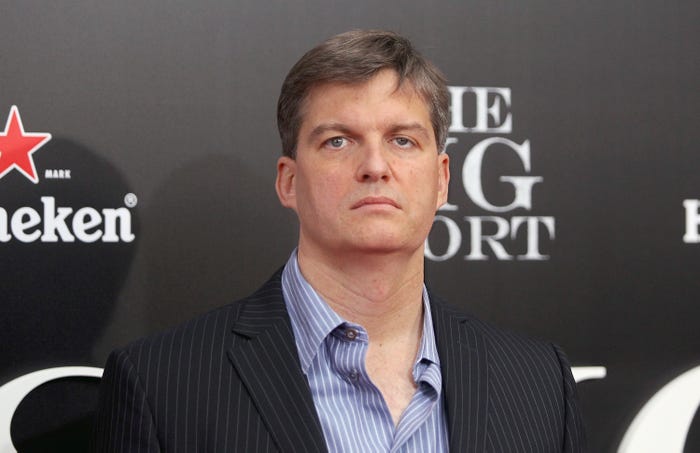
URGENT UPDATE: Prominent investor Michael Burry, known for predicting the 2008 financial crisis, has issued a stark warning about the rapidly inflating AI bubble. In a post on X late Tuesday, Burry stated that the current situation is “too big to save,” indicating that the impending collapse could severely impact the stock market and economy.
Burry’s alarm comes amid reports of significant challenges facing OpenAI, the maker of ChatGPT. He responded to a concerning post by former hedge fund manager George Noble, who highlighted OpenAI’s struggles, including fierce competition from Google’s Gemini 3, rising operational costs, and a lawsuit from Elon Musk. “OPENAI IS FALLING APART IN REAL TIME,” Noble stated.
In his response, Burry emphasized that the capital being funneled into AI by the richest companies is merely a temporary fix. “The vast sums being spent and lent will not buy enough time—by the very definition of mania,” he warned. This sentiment echoes fears among some experts that the AI boom could mirror past financial bubbles.
OpenAI has ambitious plans, including a projected spending target of $1.4 trillion over the next eight years. However, concerns about its profitability are growing, with annualized revenue skyrocketing from $2 billion in 2023 to over $20 billion last year, according to the company’s finance chief. Burry previously likened OpenAI’s situation to that of Netscape, suggesting it is “doomed and hemorrhaging cash.”
The investor is not alone in his concerns. Veteran investor Jeremy Grantham recently stated that the “probabilities that AI will not bust are slim to none,” highlighting a growing divide among experts about the sustainability of the AI sector. In contrast, figures like Kevin O’Leary and Ross Gerber remain optimistic, citing AI’s potential to enhance productivity.
Burry’s warning raises pressing questions about the future of technology investments. The eight most valuable public companies—including Nvidia, Alphabet, Apple, Microsoft, Amazon, Broadcom, Meta, and Tesla—are collectively valued at over $22 trillion, heavily investing in AI. Should the bubble burst, the ramifications could be catastrophic, mirroring the fallout from the 2008 financial crisis.
As the situation develops, investors and tech enthusiasts alike should remain vigilant. Burry’s insights suggest that the government may attempt to intervene, reminiscent of past bailouts during financial crises. However, he believes that this time, “the problem is too big to save.”
Keep an eye on the unfolding situation as more details emerge, particularly regarding OpenAI’s financial health and its impact on the broader market. The stakes are high, and the implications of a potential AI bubble burst could affect millions globally.