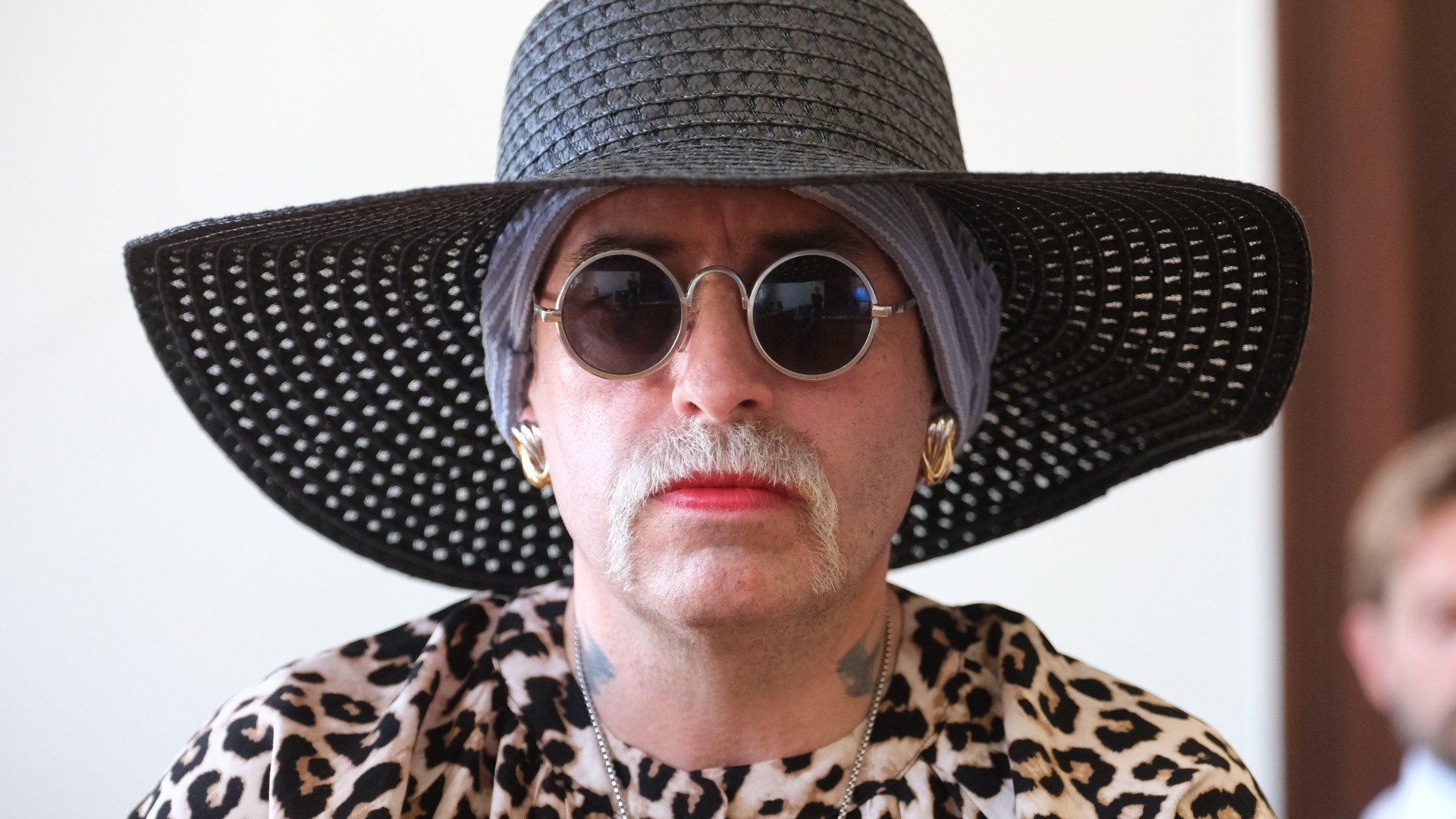
URGENT UPDATE: A convicted neo-Nazi fugitive, Marla-Svenja Liebich, has applied to change her gender status to non-binary while evading authorities after failing to report to a women’s prison in Chemnitz, Germany. This shocking move comes just days after Liebich, previously known as Sven, registered as a woman to avoid incarceration in a male facility.
Authorities confirmed that Liebich, who was sentenced to 18 months in prison for inciting hatred and other crimes, is now on the run. The case raises significant concerns about the exploitation of Germany’s recent gender self-determination reform, which allows individuals to change their registered gender with minimal oversight.
In a statement to Euronews, Liebich expressed that public backlash has “ruined” her experience of being a woman, declaring, “I no longer want to be Marla Svenja because others have ruined it for me.” She claimed the harassment has left her feeling neither fully like a woman nor a man, prompting her request for non-binary status.
Liebich’s criminal history includes serious offenses such as inciting hatred and advertising a baseball bat as a “deportation aid.” Previously a member of the banned neo-Nazi group Blood and Honour, she participated in far-right rallies while wearing a Nazi-style uniform. Her July 2023 conviction, which she attempted to appeal unsuccessfully, has drawn international media attention.
In late 2024, just before her sentencing, Liebich changed her gender from male to female, leading to plans for her incarceration in a women’s prison. After failing to report to Chemnitz, she posted on social media from an undisclosed location, offering “love from Moscow” and sharing AI-generated images of the Russian capital.
Now, while still at large, Liebich argues that the requirement to appear in person at a registry office for a gender change violates her rights, claiming that doing so would lead to immediate arrest. She has lodged an official complaint against this requirement.
The debate surrounding Liebich’s case highlights potential loopholes in Germany’s gender self-determination law, introduced in 2023. The reform eliminated the need for medical assessments, allowing individuals to change their gender up to twice a year simply by signing a form. Critics argue this opens the door for individuals with a criminal background to exploit the system, as evidenced by Liebich’s history as a ringleader of the far-right movement in eastern Germany.
Throughout her involvement in extremist activities, Liebich has been a vocal opponent of the LGBTQ community. During Pride Month 2022, she infamously posted a picture of a burning rainbow flag, underscoring her hostile stance towards marginalized groups.
As this story develops, the implications of Liebich’s actions on both the legal system and the broader societal discourse surrounding gender identity will be closely monitored. Authorities are expected to intensify efforts to locate and apprehend her, while the public grapples with the ramifications of her controversial gender change application.
This unfolding situation not only raises questions about the integrity of the legal framework but also highlights the urgent need for dialogue regarding the intersection of gender identity and criminality. Stay tuned for more updates on this breaking story.