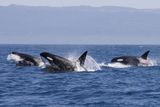
The waters around the Shiretoko Peninsula in Japan are home to diverse populations of killer whales, also known as orcas. Recent genetic research published in Marine Mammal Science has shed light on the distinct types of orcas inhabiting this region. The study identifies two separate lineages: fish-eating resident orcas and mammal-hunting transient orcas. This finding highlights significant differences in their behavior, diet, and evolutionary history, tracing back potentially to the last Ice Age.
Understanding Orca Ecotypes
While killer whales are classified as a single species, they are divided into populations called ecotypes, each exhibiting unique lifestyles. In the North Pacific, researchers classify these ecotypes into three main groups: residents, which primarily consume fish; transients, which hunt marine mammals; and offshore orcas, another fish-eating group that tends to venture further from shore. Despite sharing the same waters, resident and transient orcas rarely interact. They communicate using different vocalizations, target different prey, and even have distinct parenting strategies.
Previous studies indicated the presence of both fish-eating and mammal-eating orcas around Hokkaido, but the genetic evidence was limited. The latest research aimed to clarify this distinction through a detailed genetic analysis.
Genetic Insights into Hokkaido’s Orcas
Researchers from Kyoto University and their collaborators conducted an extensive analysis of the mitochondrial genomes of 25 killer whales sampled from the region. This level of genetic detail was previously unavailable. Mitochondrial DNA, inherited through maternal lines, provides crucial insights into the history and long-term separation of orca populations.
The study confirmed that the orcas around Hokkaido fall into two distinct ecotypes: residents and transients. Notably, no offshore whales were identified in the area. The analysis revealed that all resident whales shared a common mitochondrial haplotype, which is the most prevalent in the western North Pacific. In contrast, the transient whales exhibited remarkable genetic diversity, displaying eight distinct haplotypes among just 19 individuals, including seven previously undocumented haplotypes. This level of variation is unprecedented for transient killer whales in any region of the North Pacific.
The researchers suggest that this genetic richness is likely a legacy of the Last Glacial Maximum, a period when advancing ice sheets dramatically altered marine ecosystems. During this time, the waters surrounding Hokkaido may have served as a refuge for transient orcas, allowing them to survive while other populations faced decline or migration.
The findings have significant implications for conservation efforts in the region. In areas where orca populations are well-studied, conservation strategies often target specific ecotypes, taking into account their distinct prey, behaviors, and vulnerabilities. However, effective management around Hokkaido has been challenging without comprehensive ecological and genetic data.
Momoka Suzuki, the first and corresponding author of the study, emphasized the importance of understanding the ecological characteristics of killer whales. “Clarifying the ecological characteristics of killer whales is crucial for achieving coexistence with them, as they are deeply entwined with human activities such as tourism and fisheries in Hokkaido,” she stated in a press release.
As researchers continue to integrate genetic data with observations of orca behavior, a clearer picture of the orcas in Hokkaido is emerging. This research not only enhances our understanding of these iconic predators but also serves as a testament to how climate, evolution, and ecology shape marine life.