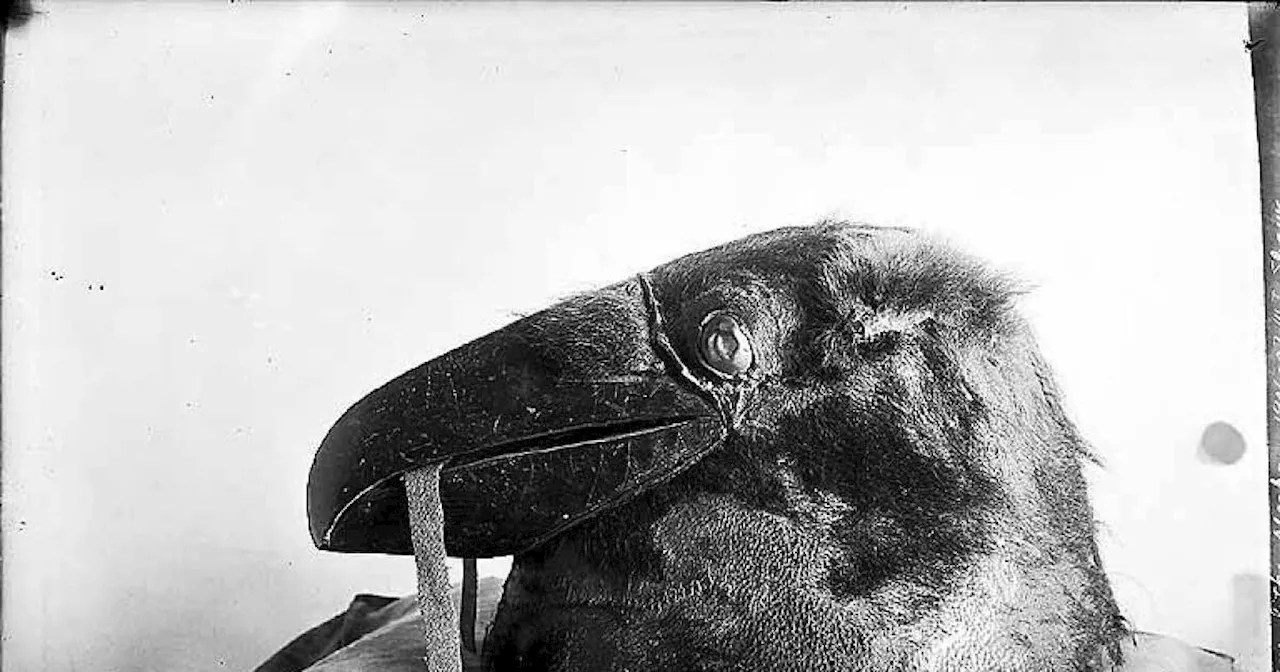
UPDATE: A historic Raven helmet from the Battle of Sitka is set to return to the Kiks.ádi clan after over a century in state custody. This significant decision was confirmed by the Alaska State Museums, marking a pivotal moment for the Indigenous community.
For more than 100 years, the Kiks.ádi have fought for the return of this sacred item, asserting it never belonged to the state. The helmet, worn by the warrior Ḵ’alyáan during the battles against Russian colonists in 1804, symbolizes the enduring resistance of the Lingít people against colonial oppression.
The helmet has been displayed at the Sheldon Jackson Museum since 1906, but the Kiks.ádi consider it an at.oow, a sacred clan object imbued with spiritual significance. Clan leader Aanyaanáxch Ray Wilson, aged 92, expressed the emotional toll of its absence: “When we don’t have our items, we can’t use them… It belongs to us. It’s really hard to accept.”
The repatriation process gained momentum last month when the Alaska State Museums agreed to begin returning the helmet. A museum spokesperson stated they are committed to fostering collaborative relationships with the Sitka Tribe of Alaska as part of several ongoing projects.
Clan member Lduteen Jerrick Hope-Lang has been instrumental in the fight for the helmet’s return, following in the footsteps of his grandmother, who sought its repatriation decades ago. Hope-Lang underscored the necessity of proving ownership, stating, “If you’re asserting you have the right to anything, there must be proof.”
Historical documents reveal that the helmet was brought to Alaska’s Territorial Governor John Brady by Kiks.ádi men, including Ḵ’alyáan’s descendant. The Presbyterian church, which operated the Sitka Industrial and Training School, later claimed ownership. However, Hope-Lang discovered that the transfer lacked proper authorization, undermining the church’s right to sell it to the state in the 1980s.
Yeidikook’áa Brady-Howard, chairwoman of the Sitka Tribe of Alaska, emphasized the importance of reclaiming sacred items like the Raven helmet. “Those items are literally our ancestors living away from their homeland,” she stated, reflecting on the broader implications of such repatriations amidst ongoing dialogues about colonialism and healing.
The Alaska State Museums confirmed that several procedural steps remain before the helmet is officially returned, including notifying the Federal Registrar of the intent to repatriate the item.
As the Kiks.ádi prepare to welcome the helmet back into their community, Hope-Lang expressed hope for future generations: “The exciting thing is for the young people… they won’t know this trauma. This won’t be passed on to them.”
This return is not just a cultural victory; it signifies a shift in the relationship between Indigenous communities and institutions like museums, paving the way for reconciliation and restoration of cultural heritage across the nation.