UPDATE: The highly controversial episode of Star Trek: The Next Generation, titled “Code of Honor,” has ignited widespread backlash from both cast members and fans. Michael Dorn, famously known as Worf, has labeled it “the worst episode of Star Trek ever filmed,” a sentiment echoed by many.
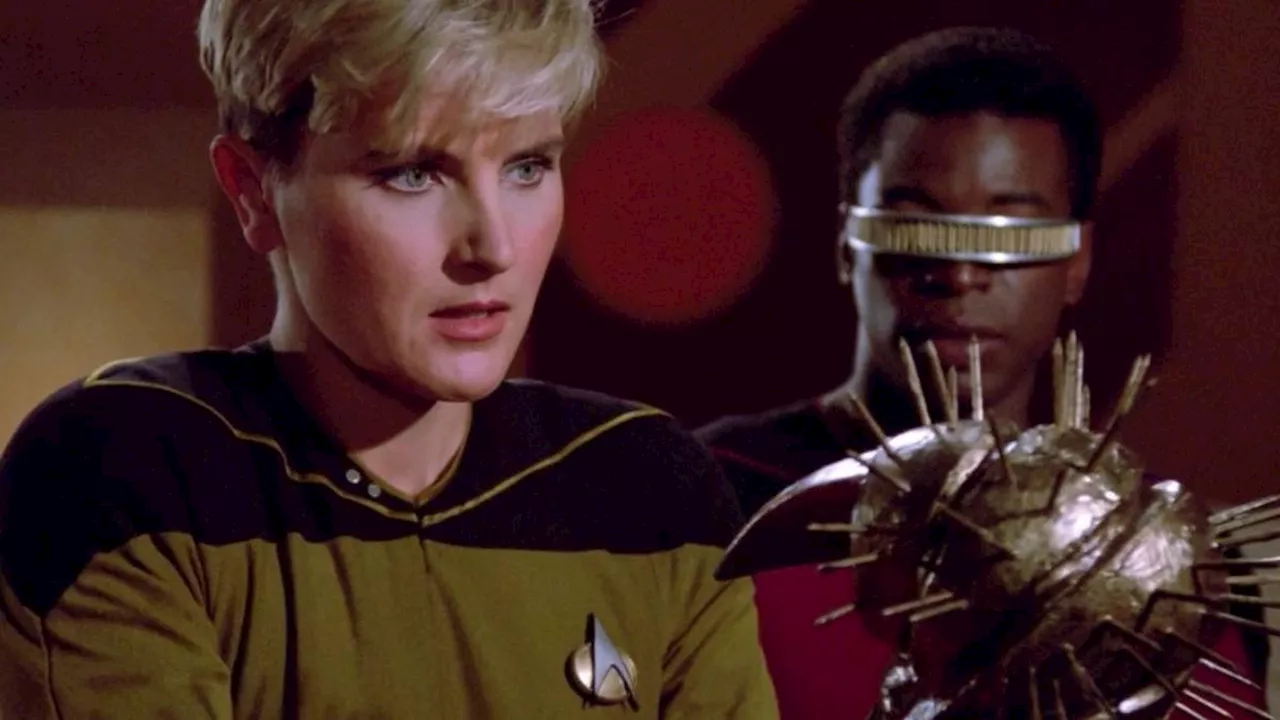
This episode, which first aired in 1987, has resurfaced in conversations about racial insensitivity in television. It features Tasha Yar, played by Denise Crosby, who faces off against Yareena, a character embroiled in a fight for dominance. The narrative unfolds as the USS Enterprise visits Ligon II, where a vaccine is urgently needed for a nearby planet. However, the episode’s depiction of the Ligonian society, portrayed by an all-Black cast dressed in stereotypical African tribal attire, has drawn sharp criticism.
Critics, including Jonathan Frakes and Brent Spiner, have called the episode “racist” and one of the series’ most egregious missteps. Frakes described it as a “racist piece of s**t,” while Spiner emphasized that it ranks as the “worst of the series.” The racial implications are particularly troubling, portraying a powerful Black male character, Lutan, who kidnaps a blonde white woman, Tasha Yar, leading to a fight to the death with Yareena.
Authorities confirm that Gene Roddenberry, the series creator, was so dissatisfied with the episode that he dismissed the director, Russ Mayberry, during production. The casting and portrayal choices have been criticized for reinforcing harmful stereotypes, a stark contrast to the franchise’s foundational mission of promoting diversity and inclusion.
The episode’s legacy continues to haunt the franchise, as it starkly diverges from the optimistic vision of a hopeful future that Star Trek is known for. Many fans and critics argue that this episode has not only tarnished the series’ reputation but also serves as a reminder of the ongoing struggles against racial stereotypes in media.
As discussions about representation in film and television gain momentum, the backlash against “Code of Honor” is a critical part of the larger conversation about how stories are told and who gets to tell them. Star Trek: The Next Generation has long been heralded for its progressive storytelling, but this episode stands as a glaring exception.
What happens next? Fans and critics alike are calling for a re-evaluation of the episode and its implications. The franchise now faces scrutiny as it prepares for the release of Star Trek: Picard’s third and final season, with hopes that it will honor the legacy of inclusivity that the series initially championed.
Stay tuned for more updates on this developing story and the ongoing impact of Star Trek in today’s cultural landscape.