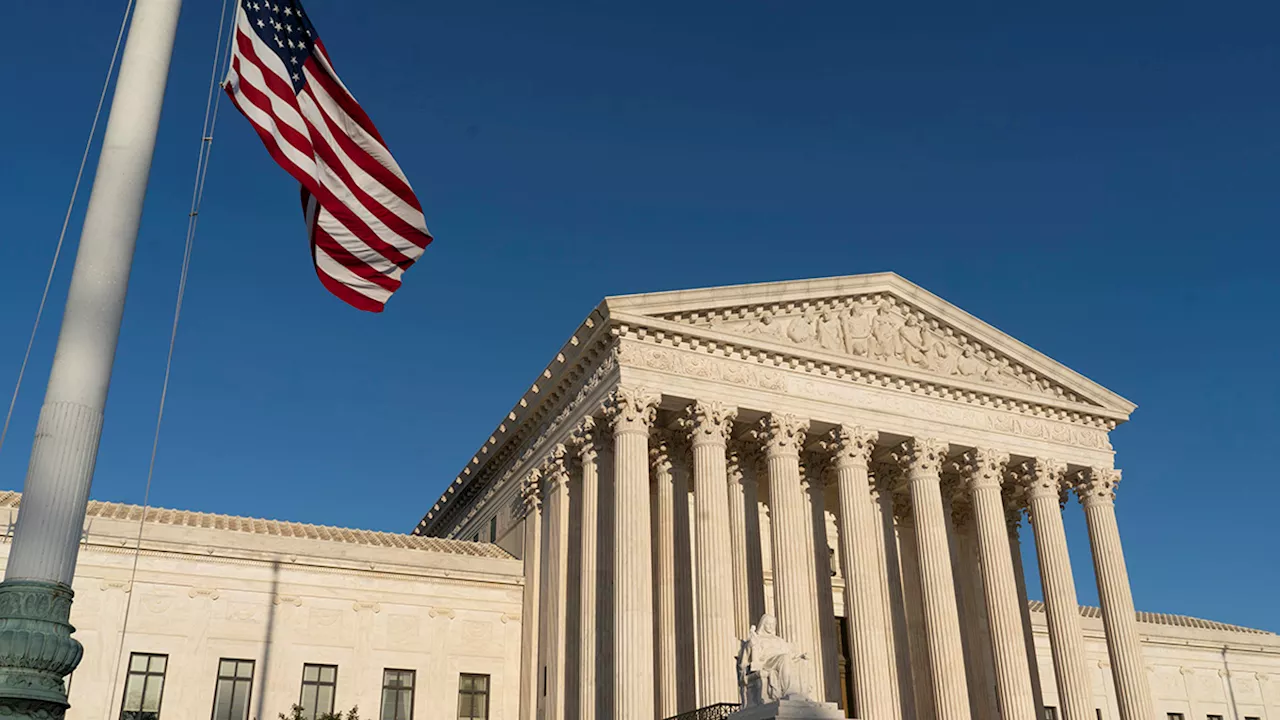
UPDATE: The Supreme Court will hear an urgent appeal from former President Donald Trump regarding his controversial birthright citizenship order. This order, which asserts that children born to parents in the U.S. illegally or temporarily are not American citizens, is set to challenge over a century of established legal precedent under the 14th Amendment.
The justices have agreed to hear the case in the spring of 2025, with a ruling expected by early summer. The implications of this decision are enormous, affecting the citizenship status of millions of children born in the U.S. if the order is upheld. Currently, lower courts have ruled against the order, deeming it likely unconstitutional.
Trump’s order, signed on January 20, 2025, represents a significant push in his broader immigration crackdown. This includes increasing enforcement actions across several cities and invoking the Alien Enemies Act for the first time in peacetime. The administration argues that children of noncitizens are not “subject to the jurisdiction” of the U.S., and therefore, do not qualify for citizenship.
“The Fourteenth Amendment’s Citizenship Clause was adopted to grant citizenship to newly freed slaves and their children—not to the children of aliens illegally or temporarily in the United States,” stated D. John Sauer, the administration’s Supreme Court lawyer.
The case has drawn widespread attention, with 24 Republican-led states and notable lawmakers, including Senators Ted Cruz and Lindsey Graham, aligning with the Trump administration in support of the appeal. The stakes are high, as the order could fundamentally alter the interpretation of citizenship rights established under the Constitution.
Previous rulings from lower courts have consistently blocked the implementation of this order, citing violations of the 14th Amendment. Legal experts suggest that if the Supreme Court sides with Trump, it could reverse protections that have been in place for over 125 years, affecting countless families across the nation.
As the situation develops, advocacy groups are mobilizing to prevent the implementation of this contentious order. They argue that the potential fallout from such a ruling could lead to widespread confusion and discrimination against children born in the U.S., particularly those from immigrant families.
With the Supreme Court poised to make a landmark decision, all eyes will be on how this case unfolds in the coming months. The next hearing is set for spring 2025, and the outcome could reshape American immigration policy for generations to come.
Stay tuned for ongoing updates as this pivotal story develops.