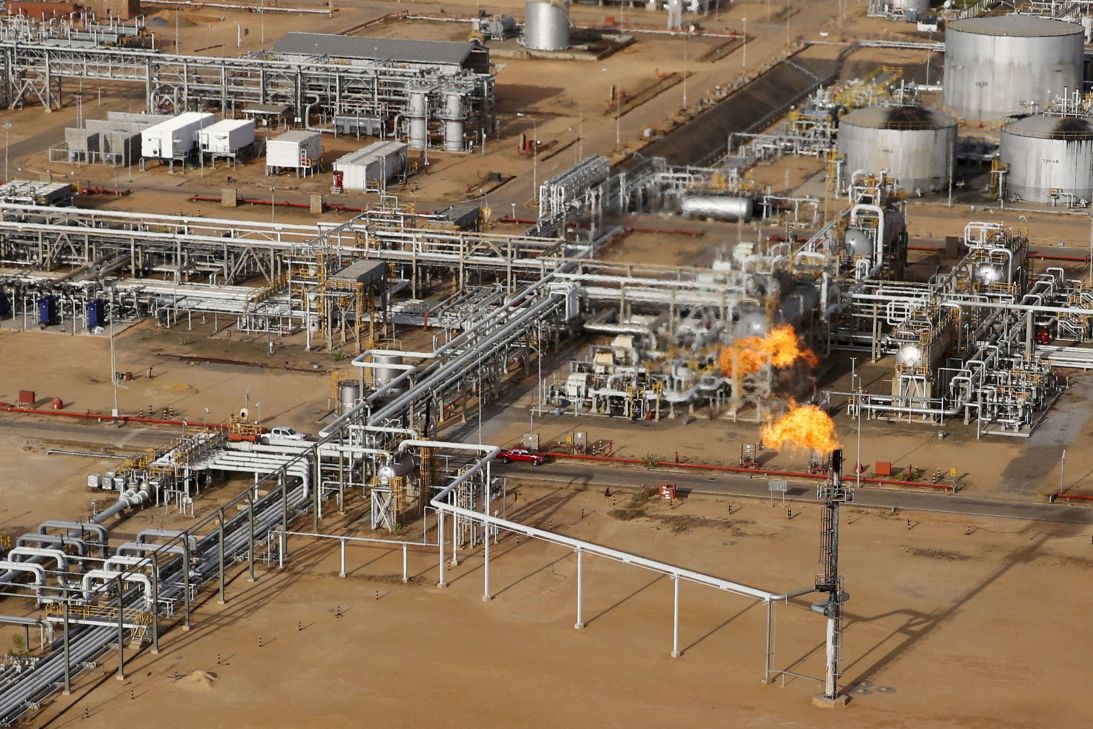
URGENT UPDATE: President Donald Trump has set his sights on Venezuela’s vast oil reserves, estimated at over 300 billion barrels, following his capture of the country’s president, Nicolás Maduro. This ambitious claim raises immediate concerns about the significant climate risks associated with Venezuelan oil production.
Experts are warning that Venezuela’s oil, primarily heavy sour crude found in the Orinoco Belt, is among the dirtiest in the world. The extraction process is energy-intensive, requiring large amounts of energy from fossil fuels, further complicating the climate implications. “Venezuela’s oil is considered ‘dirty’ not because of ideology, but because of physics,” stated Guy Prince, head of energy supply research at Carbon Tracker.
Venezuelan oil is thick and viscous, likened to molasses, making it difficult to extract. It must be heated using steam to flow, a method that consumes large quantities of energy and exacerbates carbon emissions. According to Patrick King, head of emissions research at consulting firm Rystad Energy, the climate pollution released per barrel of Venezuelan oil is more than double the global average.
The environmental risks extend beyond extraction. Carbon Tracker highlights aging infrastructure that increases the likelihood of methane leaks and spills. The intensity of methane emissions from Venezuelan oil operations is reported to be six times the global average, raising alarm bells among climate scientists. “The methane problem is serious; it’s over 80 times more potent than carbon dioxide in the short term,” emphasized Lorne Stockman, research co-director at Oil Change International.
Despite these concerns, Trump’s administration may be eyeing the potential economic benefits of Venezuelan oil. However, the road ahead is fraught with challenges. Venezuela’s oil production has plummeted from around 2 million barrels per day in 2016 to fewer than 1 million barrels per day currently. Rystad Energy estimates that it would take over $53 billion in investment just to maintain current production levels and an astonishing $183 billion to return to previous highs.
Experts caution that the financial viability of Venezuelan oil is questionable, especially in a market where oil prices are low and demand is slowing. “It’s a very expensive way to produce high-cost, high-emissions oil,” noted Prince, expressing skepticism about the feasibility of ramping up production without significant climate repercussions.
The potential global climate impact of increased Venezuelan oil production remains uncertain. While some argue that it could detract from global efforts to transition to clean energy, others suggest it may not significantly increase overall oil supply if production declines elsewhere. “The most significant climate impact of a Venezuelan intervention would be indirect,” Prince explained, highlighting concerns about diverting attention from urgent climate action.
With Trump’s ambitions for Venezuelan oil gaining momentum, the international community must closely monitor developments. The implications for climate policy and regional stability could be profound. As this situation evolves, the urgency for coordinated action against climate change becomes even more critical.
Stay tuned for updates as this developing story unfolds, shedding light on the intersection of energy politics and climate responsibility.