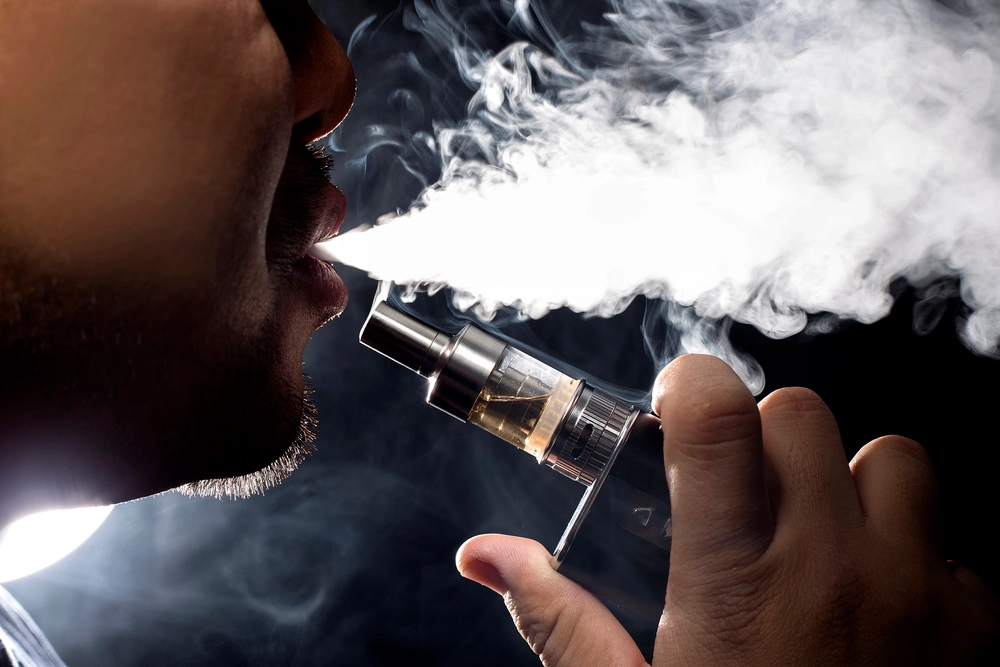
URGENT UPDATE: Alarming findings from a recent study reveal that illegal disposable e-cigarettes in Hungary are laced with toxic heavy metals, raising serious public health concerns. The research, conducted by scientists at the University of California, Davis, detected carcinogenic substances—specifically lead, nickel, and antimony—present in popular but illicit vape brands.
Researchers found that a single illegal vape device can expose users to as much lead as smoking 19 packs of conventional cigarettes. This shocking statistic highlights the immediate risk posed to users, particularly young people in Hungary where vaping is becoming increasingly prevalent. The lead researcher revealed that components made from leaded copper alloy can leach these harmful substances into the liquid even before use.
Despite strict regulations in Hungary that prohibit the sale of flavored e-cigarettes, unregulated devices continue to flood the online market. The National Tax and Customs Administration (NAV) has stepped up its efforts, recently seizing 100 illegal devices in a crackdown on online trading, leading to potential fines amounting to millions of forints for offenders.
The danger extends beyond chemical exposure. Some seized products were found to contain poorly secured lithium-ion batteries, which pose fire hazards. These low-quality batteries can overheat and short-circuit, creating additional risks for consumers.
Authorities warn that with illegal vape devices, buyers face significant uncertainty regarding product safety. Neither sellers nor regulatory bodies can ensure the quality of these products, leaving users vulnerable to health hazards.
According to recent data from the National Public Health Centre, a staggering 22% of Hungarian students aged 13–15 have experimented with e-cigarettes, with 10% using them regularly. This trend underscores the urgent need for more effective interventions.
Hungary’s current legal framework includes fines ranging from 1 to 50 million forints for individuals and from 5 to 500 million forints for entities involved in the illegal sale of vaping products. The NAV, along with the Supervisory Authority for Regulated Activities (SZTFH) and the Hungarian Competition Authority (GVH), are actively working to shut down illegal webshops and conduct undercover operations.
To combat the rising black market, experts advocate for enhanced customs inspections, mandatory chemical testing for legally sold devices, and comprehensive educational programs in schools that address the specific health risks associated with vaping, including exposure to toxic metals like lead.
The situation is developing rapidly, and public awareness is critical. Authorities urge consumers to be vigilant about the risks associated with illegal vaping products and to consider the potential health implications before use.
Stay tuned for more updates on this urgent issue impacting Hungary and beyond.