UPDATE: The Feral Cat Spay and Neuter Project (FCSNP) in Lynnwood, Washington, is urgently working to combat the escalating crisis of feral and homeless cats. With the number of stray felines surging in the area, FCSNP is calling for immediate community support to continue its vital services.
Founded in 1997, FCSNP has provided free spay/neuter services to trapped feral cats and reduced-cost treatments to financially qualifying pet owners. Over its 30-year history, the clinic has treated more than 100,000 cats. However, Executive Director Amy Ferguson warns that the percentage of feral cats they encounter has increased dramatically since the onset of the COVID-19 pandemic.
“We’ve stopped the reproduction of over a million cats in Snohomish County,” Ferguson stated. “Our mission is crucial to alleviating the burden on local shelters.”
FCSNP offers spay/neuter procedures for as low as $70, a stark contrast to the typical veterinary costs ranging from $500 to $1,000. This financial relief is essential for many low-income cat owners in the area. The clinic also provides free spay/neuter services for feral cats trapped by community members, although they do not conduct the trapping themselves.
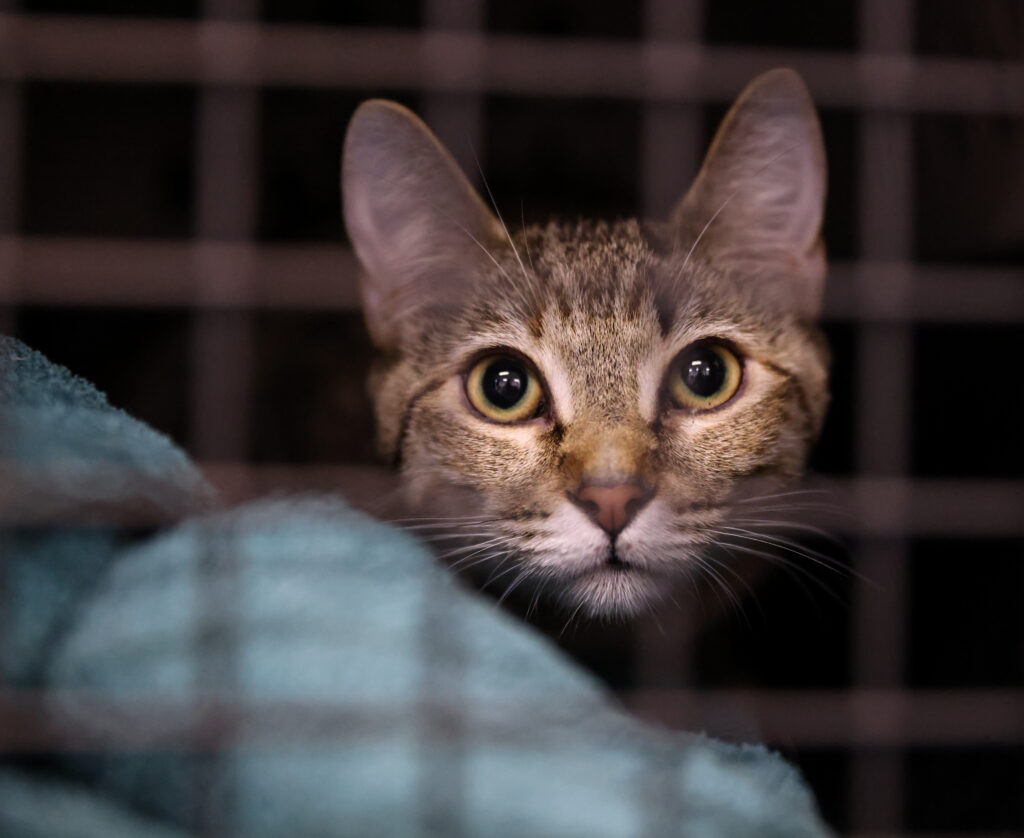
According to the National Feline Research Council, feral cats are unowned and often unsocialized. Ferguson emphasizes, “We ensure that these cats are not reproducing, which helps ease the strain on our shelter systems.”
Spaying and neutering not only prevent unwanted litters but also improve the overall health of the cats. Staff at FCSNP assert that spaying eliminates the risk of life-threatening cancers in females and reduces nuisance behaviors in males. “Spay and neuter is huge because it significantly improves the lives of cats,” said Eudora Hawkes-Roach, the clinic manager.
Community members, like Lou Farthing from Adams County, are actively involved in transporting feral cats to FCSNP for treatment. “Spay and neuter guarantees a much longer life for these cats,” Farthing explained. “It ensures they remain healthier and reduces the risk of medical conditions.”
FCSNP is also committed to minimizing environmental impacts caused by feral cats, known for negatively affecting local wildlife, particularly ground-feeding birds. “We help ensure that the cats living outside aren’t reproducing, which can lead to ecological havoc,” Ferguson added.
With a small team of paid veterinary staff and over 100 volunteers, FCSNP can treat up to 50 cats daily. “We heavily rely on volunteers,” Hawkes-Roach noted. “Our community of cat advocates spreads the message about the importance of spaying and neutering.”
Former volunteer and current Communications Coordinator Mila Webb shared her motivations for joining the organization: “The immediate, positive impact on a cat’s life drew me in. Volunteers feel they are part of something bigger.”
FCSNP recently moved to a new facility on Highway 99 in Lynnwood, doubling its clinic size and increasing its capacity to help more cats. Ferguson dreams of expanding operations to seven days a week as community support grows.
For those interested in making a difference, Ferguson encourages new volunteers to join the cause: “What we’re doing is the first line of defense. It’s how we prevent animals from entering shelters, and that is how we solve the problem.”
As the crisis of feline overpopulation continues to escalate, community donations and volunteer efforts are more critical than ever. The Feral Cat Spay and Neuter Project stands at the forefront of this urgent mission to safeguard feline health and protect local wildlife.