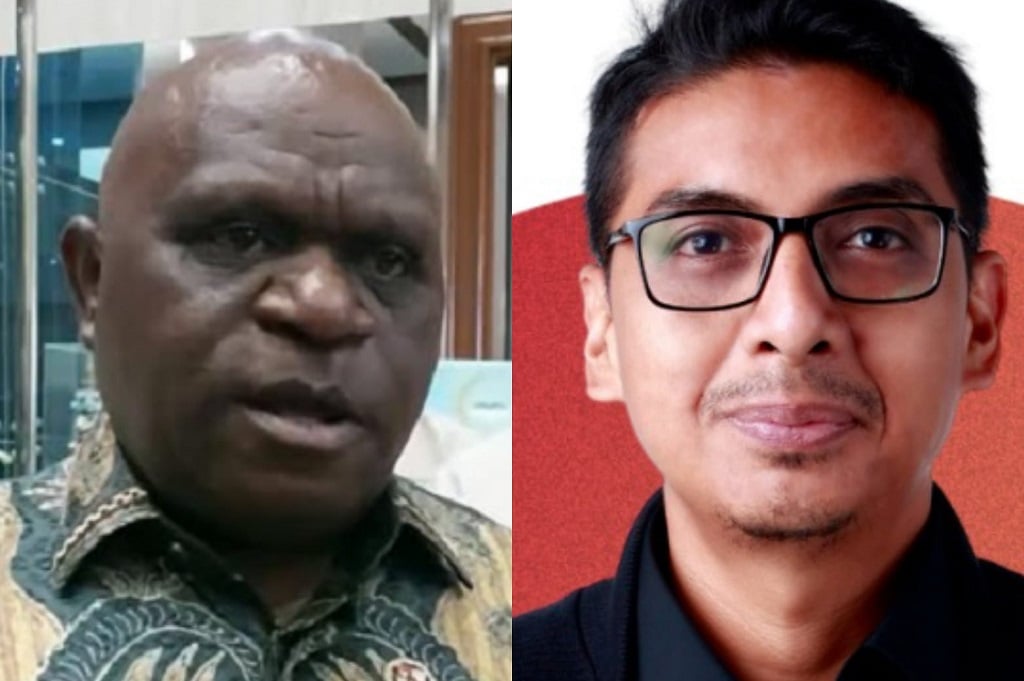
BREAKING: A heated exchange between Minister of Human Rights Natalius Pigai and Law Professor Zainal Arifin Mochtar, commonly known as Uceng, escalated dramatically on social media platform X, culminating in a challenge for a live debate on national television. This unfolding dispute is capturing widespread public attention as details emerge.
The argument originated from a discussion on human rights issues, with Uceng openly critiquing Pigai’s views. In a post dated February 28, 2026, Uceng expressed his desire to engage in an open debate, stating, “Pak @NataliusPigai2, I agree with you; professors are often overestimated. I wish to learn about human rights from you. Let’s discuss and debate each human rights case in Indonesia that you claim to understand thoroughly. Just tell me when and where I can learn.”
In a swift response, Pigai accepted the challenge, but with a stipulation: the debate must be broadcasted live on TV Nasional so that it could be viewed by the Indonesian public. “I agree to a national TV live debate. You invite me, and I ask you to prepare the setup. We will discuss this on an academic level. I genuinely want to teach you about human rights for your understanding. But first, I want you to watch this for additional knowledge before debating me. Honestly, I am eager for the Indonesian people to see the depth of a professor’s knowledge on human rights,” Pigai stated.
This challenge has sparked a wave of reactions across social media, with many users expressing their anticipation for the live debate. The confrontation not only highlights the contentious nature of human rights discussions in Indonesia but also the increasing influence of social media in shaping public discourse.
As this situation develops, all eyes are on the date and time for the proposed debate, which could set a precedent for public discussions on critical national issues. Experts are weighing in, and media outlets are preparing for coverage of this potentially groundbreaking event.
Stay tuned as we bring you the latest updates on this developing story and the implications it may have for human rights advocacy in Indonesia.