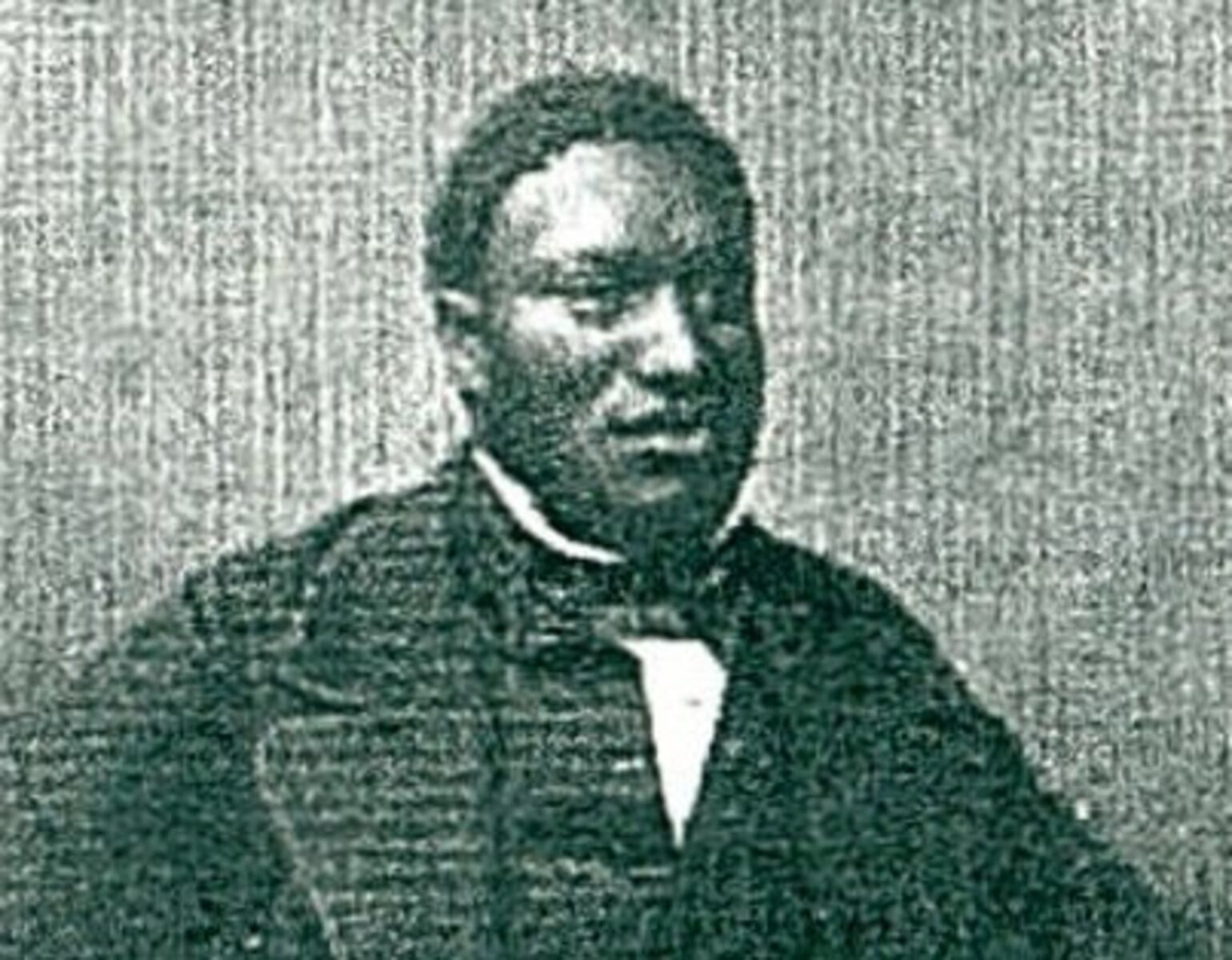
UPDATE: New revelations highlight the remarkable life of Samuel Ringgold Ward, a pivotal yet often overlooked figure in the abolitionist movement. His profound impact on the renowned Frederick Douglass has resurfaced, underscoring the urgency to recognize his contributions to American history.
Ward, born into slavery on October 17, 1817, in Maryland, escaped to freedom at the age of three. His journey took him from the brutality of enslavement to becoming a powerful voice against it, living in cities like New York and Boston. Douglass once praised him as “the ablest Black man the country has ever produced,” emphasizing the need for immediate recognition of Ward’s legacy.
In the 1840s and early 1850s, Ward made significant strides in Central New York, particularly in Syracuse, where he launched one of America’s earliest Black newspapers, The Impartial Citizen, in 1849. This semi-monthly publication advocated for racial pride, intelligence, and abolitionism, making its debut on February 14, 1849.
Ward’s life was intertwined with pivotal moments in history, including the dramatic Jerry Rescue on October 1, 1851, when he rallied a crowd of 2,500 people to fight for the freedom of Jerry, an escaped slave. His electrifying speech that day urged citizens to reject the oppressive Fugitive Slave Law, a message that resonates with today’s fight for justice and equality.
As a leading figure in the new Liberty Party, Ward made history when he was nominated for national office at the 1850 convention in Oswego, becoming the first Black person to achieve such a distinction. His powerful presence and oratory skills earned him the nickname “the Black Daniel Webster,” a testament to his influence in the anti-slavery movement.
Despite his remarkable accomplishments, Ward’s story faded into obscurity. His memoir, “Autobiography of a Fugitive Negro,” published in 1855, chronicled his experiences and advocacy but did little to secure his legacy. After fleeing to Canada, Ward continued his anti-slavery efforts, ultimately passing away in Jamaica in 1866, largely forgotten and penniless.
As new discussions about racial justice and historical acknowledgment continue to unfold, Ward’s life serves as a critical reminder of the sacrifices made in the fight for freedom. His journey from a slave to a pioneering abolitionist is not just a tale of the past but a call to action for the present and future.
Readers are encouraged to share this urgent story and reflect on the enduring legacy of Samuel Ringgold Ward as we strive for a more equitable society.