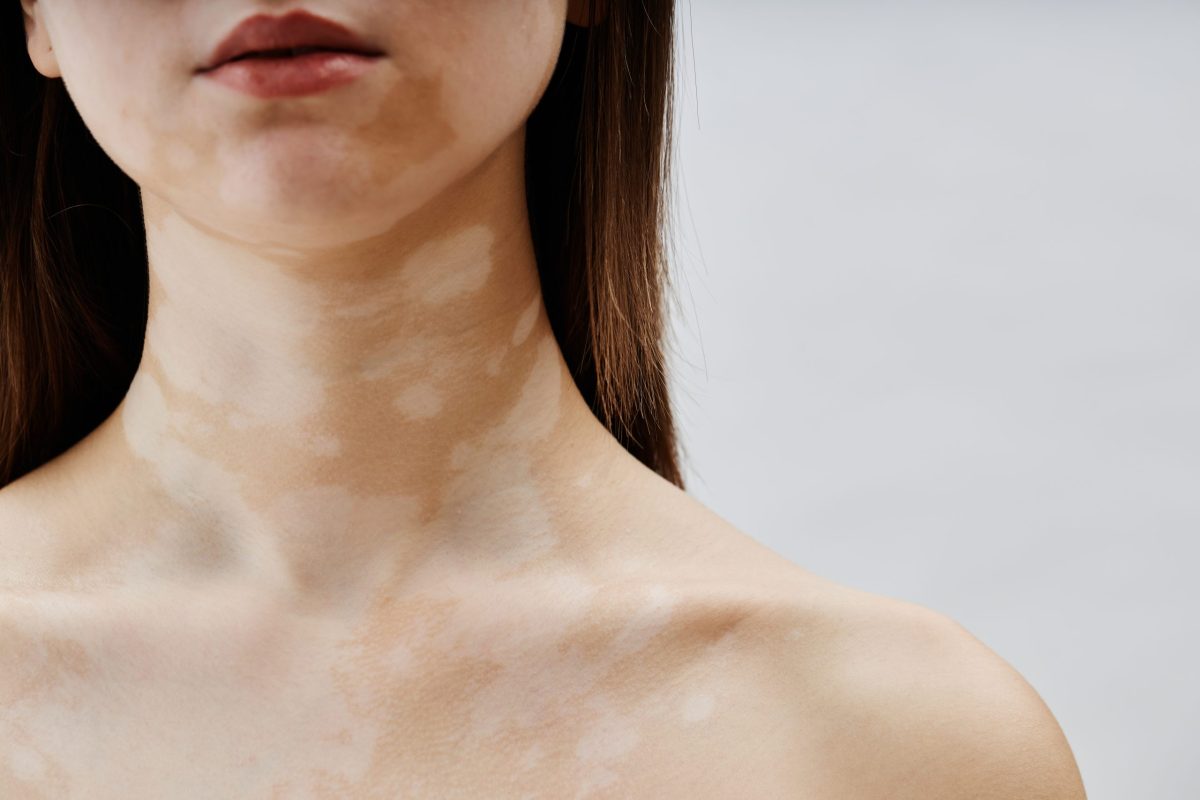
UPDATE: New reports confirm a significant increase in awareness and understanding of vitiligo, a skin condition characterized by the loss of pigment. With over 1 million cases diagnosed annually worldwide, experts are emphasizing the urgency of recognizing symptoms and seeking treatment.
Vitiligo transforms skin tone by creating lighter patches that contrast with the surrounding skin. While not a direct health risk, the psychological impact on those affected can be profound, leading to emotional distress. As awareness grows, understanding the causes, symptoms, and available treatments is more critical than ever.
What is Vitiligo?
Vitiligo occurs when melanocytes—the cells responsible for producing skin pigment—are destroyed or cease functioning, resulting in white patches that can appear anywhere on the body. Initially manifesting on the hands, forearms, feet, or face, the condition can also affect hair and mucous membranes.
Key symptoms to watch for include:
– White areas on the skin that do not tan
– Gradually enlarging patches
– Loss of color in hair, eyebrows, or eyelashes
Diagnosis typically involves a visual examination, with healthcare professionals sometimes using a Wood’s lamp to differentiate vitiligo from similar conditions.
Why Does Vitiligo Develop?
The exact cause of vitiligo remains unclear, but several factors contribute to its onset:
– **Autoimmune response:** The immune system mistakenly attacks melanocytes.
– **Genetic factors:** Approximately 30% of cases have a hereditary link.
– **Physical or emotional stress:** Can disrupt cellular function.
– **Skin injuries:** Such as burns or cuts can trigger the condition.
– **Chemical exposure** or intense sun exposure may also play a role.
The progression of vitiligo varies; some individuals may see patches stabilize while others experience rapid changes.
Available Treatments
While not all patients require treatment, several medical options are available for those seeking to manage vitiligo:
– **Topical medications:** Including corticosteroids and JAK inhibitors to restore pigment.
– **Phototherapy:** Using UVB light or PUVA in repeated sessions to stimulate melanocyte function.
– **Depigmentation therapy:** For extensive cases, to lighten unaffected areas for a more uniform skin tone.
– **Surgical options:** Such as skin grafts, may be suitable for stable cases.
It’s crucial for individuals to consult healthcare professionals when they notice sudden changes, rapid spreading of depigmentation, or if emotional distress arises from the condition.
Living with Vitiligo
Managing vitiligo involves both medical and lifestyle adjustments. Daily application of broad-spectrum sunscreen, avoiding sunburns, and keeping the skin moisturized can mitigate risks. Additionally, addressing any associated autoimmune conditions promptly is essential for overall well-being.
As the conversation around vitiligo continues to evolve, it’s crucial for those affected to seek support and stay informed. Understanding vitiligo can empower individuals, allowing them to approach their condition with confidence and informed choices.
Stay tuned for more updates on vitiligo and related health topics.
For further information, refer to sources from the Cleveland Clinic and Pfizer.