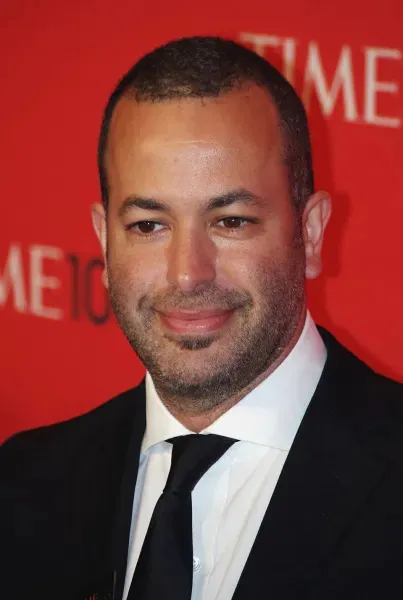
URGENT UPDATE: Virologist Nathan Wolfe, a prominent figure in human biology, will end his visiting appointment at Stanford University effective Monday, following revelations about his ties to the late convicted sex offender Jeffrey Epstein. This appointment, which will not be renewed, raises significant concerns amid ongoing investigations into Wolfe’s relationship with Epstein.
New reports confirm that Wolfe, who previously held the title of Lorey I. Lokey Visiting Professor of Human Biology, was found to have exchanged correspondence with Epstein, inviting him to meet “a couple of hottie interns.” The Daily’s investigation highlights Wolfe’s attempts to involve Epstein as a donor in controversial research aimed at developing a “female viagra,” based on what he termed the “[their] horny virus hypothesis.” These alarming revelations have sparked outrage and drawn scrutiny from both the academic community and the public.
In response to the report, Wolfe issued a statement to The Daily, firmly denying any wrongdoing. “I never witnessed or participated in any misconduct or inappropriate behavior,” he asserted, attempting to mitigate the fallout from the investigation. Despite his denial, the implications of his association with Epstein have led to immediate action from the university.
The university spokesperson confirmed that Wolfe’s role in the bioengineering department lasted for just one year, with his LinkedIn profile now revised to reflect his status as a “Visiting Scholar” at Stanford from 2023 until February 2026. Previously, he was regarded as a Visiting Scholar at the Quake Lab, where he co-authored multiple research papers.
This development comes at a time when Stanford and other institutions are increasingly scrutinizing their affiliations and funding sources in light of Epstein’s notorious history. The impact of such associations is likely to resonate beyond just Wolfe, affecting the broader academic community.
As of now, Wolfe has not responded to inquiries regarding his future plans or any ongoing affiliations with Stanford. The situation remains fluid, and further developments are expected as the university addresses the fallout from this report.
This incident raises profound questions about ethical standards in academia and the implications of private funding on research integrity. As the situation unfolds, stakeholders at Stanford and beyond are watching closely to see how the university will navigate this challenging landscape.
Stay tuned for more updates as this story develops.