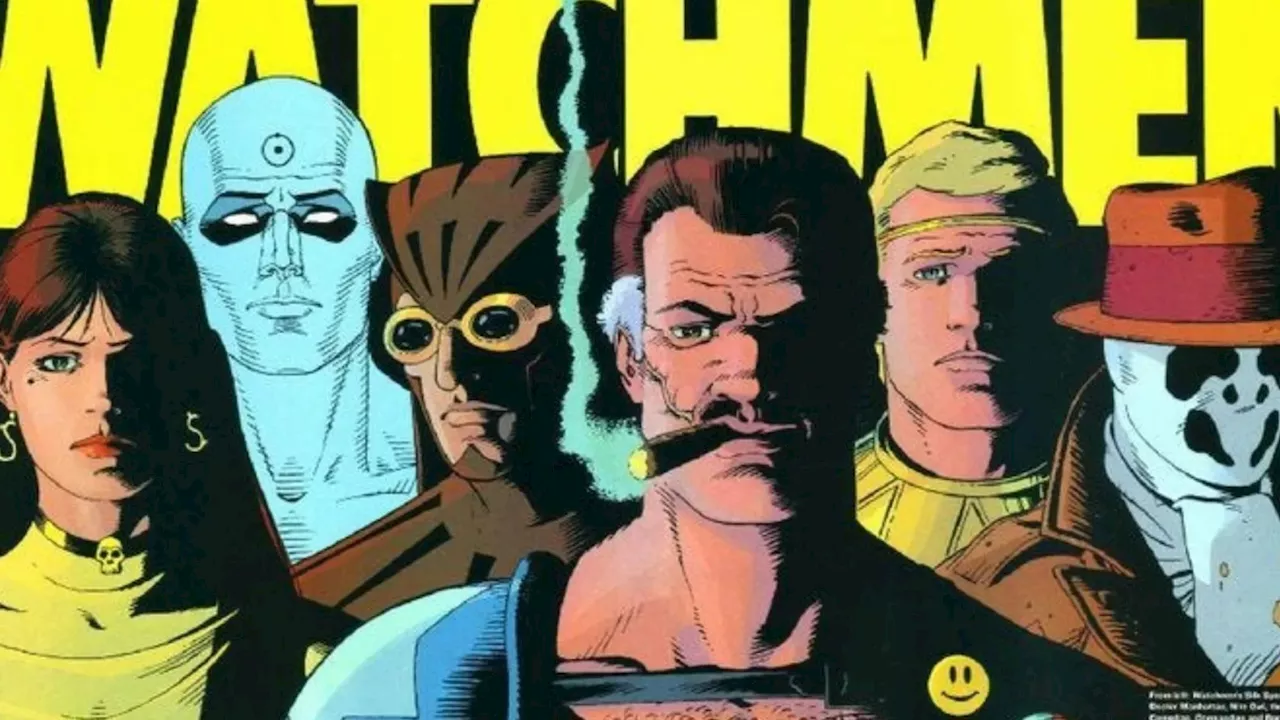
UPDATE: As Watchmen celebrates its 40th anniversary, urgent discussions are igniting around its legacy and influence on superhero comics. This pivotal work, created by Alan Moore, Dave Gibbons, and John Higgins, first debuted in 1986 and has since been known for its profound impact on the genre. However, new analyses suggest that its cultural relevance may be misinterpreted today.
Initially serialized across twelve issues, Watchmen revolutionized the comic book landscape with its complex narrative and unique visual style. Now, as we reflect on its significance in 2023, experts and fans alike are questioning whether it remains the definitive statement on superheroes or if it has become a relic of its time.
The comic is deeply embedded in the socio-political climate of the 1980s, echoing the anxieties of the Cold War, government distrust, and moral ambiguity. With the threat of nuclear war looming, Watchmen painted a bleak picture of heroism in a world fraught with cynicism. Yet, as society has evolved, so too has the nature of hero narratives. The question arises: Are we still clinging to the standards set by Watchmen, rather than embracing new interpretations of heroism that reflect today’s complexities?
Critics argue that while Watchmen is a masterclass in storytelling, the lessons drawn from it by subsequent creators often missed the mark. The proliferation of dark, gritty narratives in comics has led to a trend of morally ambiguous heroes, overshadowing the depth and themes that made Watchmen groundbreaking. This has raised concerns that the book’s legacy has been inflated, potentially stifling innovation in the genre.
While Watchmen undoubtedly holds a place in the pantheon of great comics, it is crucial to recognize that the landscape of superhero narratives has shifted dramatically since its release. The cultural conversations surrounding heroism have evolved, and the exploration of today’s anxieties requires fresh perspectives. The continued elevation of Watchmen as the benchmark for superhero storytelling may hinder the emergence of new works that challenge and expand the genre’s boundaries.
As we mark this milestone, the comic book community is urged to engage in a robust reevaluation of Watchmen’s cultural relevance. The conversation is not solely about the book itself but about how its influence shapes contemporary storytelling.
What happens next? Expect more debates and discussions to emerge in the coming weeks, as fans and critics alike dive deeper into the legacy of Watchmen. As the comic enters its fifth decade, it’s time to reflect on its past while paving the way for the future of superhero narratives.
Stay tuned for further analysis and insights on this developing story.