Artificial Intelligence (AI) is rapidly transforming various sectors in Africa, significantly enhancing health care and agriculture while driving economic growth. In 2023, multiple initiatives across the continent showcased how advanced technologies are addressing systemic challenges and improving quality of life for millions.
In health care, AI applications are revolutionizing diagnostics and patient management. For example, a recent partnership between the World Health Organization and tech firms in Nairobi, Kenya, aims to implement AI-driven tools for disease prediction and management. These tools are expected to reduce the time taken to diagnose diseases like malaria and tuberculosis, which affect millions across the region.
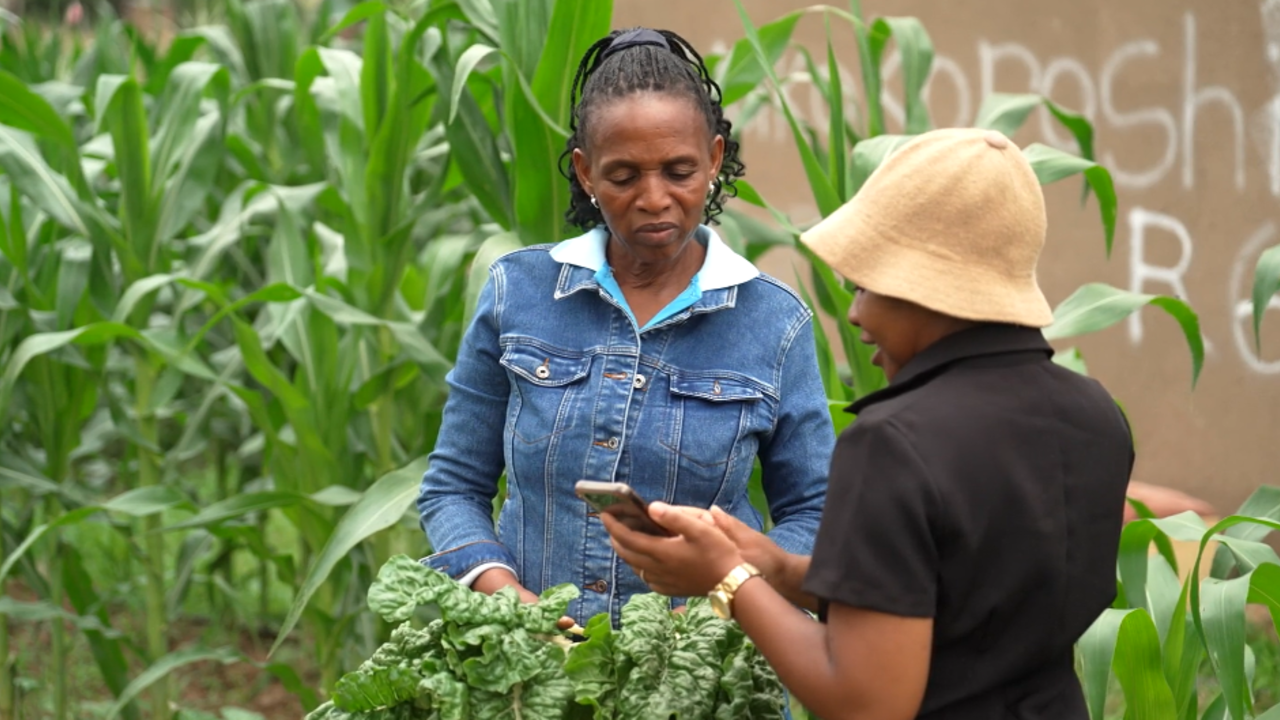
Moreover, agriculture, a vital sector for many African nations, is experiencing a similar technological uplift. Farmers in Accra, Ghana, are increasingly using AI-driven platforms to predict weather patterns and optimize crop yields. These innovations are crucial, especially in a region where agriculture accounts for approximately 30% of GDP and employs around 60% of the workforce.
Investment and Growth in AI Technologies
The investment landscape for AI technologies in Africa is expanding rapidly. In 2023, venture capital funding for African tech startups reached an impressive $1.5 billion, with a significant portion directed towards AI initiatives. This financial backing is critical in fostering innovation and supporting homegrown solutions tailored to local needs.
Countries like South Africa are at the forefront of this growth, with several universities introducing AI programs designed to equip students with the necessary skills for future job markets. Collaborations between educational institutions and tech companies are becoming increasingly common, aiming to create a workforce proficient in AI technologies.
The United Nations has also recognized the potential of AI in promoting sustainable development across the continent. Initiatives focusing on AI for social good aim to address issues such as poverty alleviation, education, and health care accessibility. The UN emphasizes that leveraging AI can significantly contribute to achieving the 2030 Sustainable Development Goals.
Challenges and the Road Ahead
Despite the promising developments, challenges remain. Access to reliable internet and technology infrastructure is still limited in many rural areas, hindering the widespread adoption of AI solutions. Furthermore, there is a pressing need for policies that ensure ethical AI use, addressing concerns about privacy and data security.
To overcome these obstacles, governments and private sectors must collaborate closely. Building partnerships with international organizations and tech giants can provide the necessary resources and expertise to foster a robust AI ecosystem.
As Africa continues to embrace AI technology, the potential for growth in health care, agriculture, and beyond is vast. With the right investments and strategic initiatives, the continent is poised to emerge as a leader in AI innovation, ultimately improving the quality of life for its citizens.