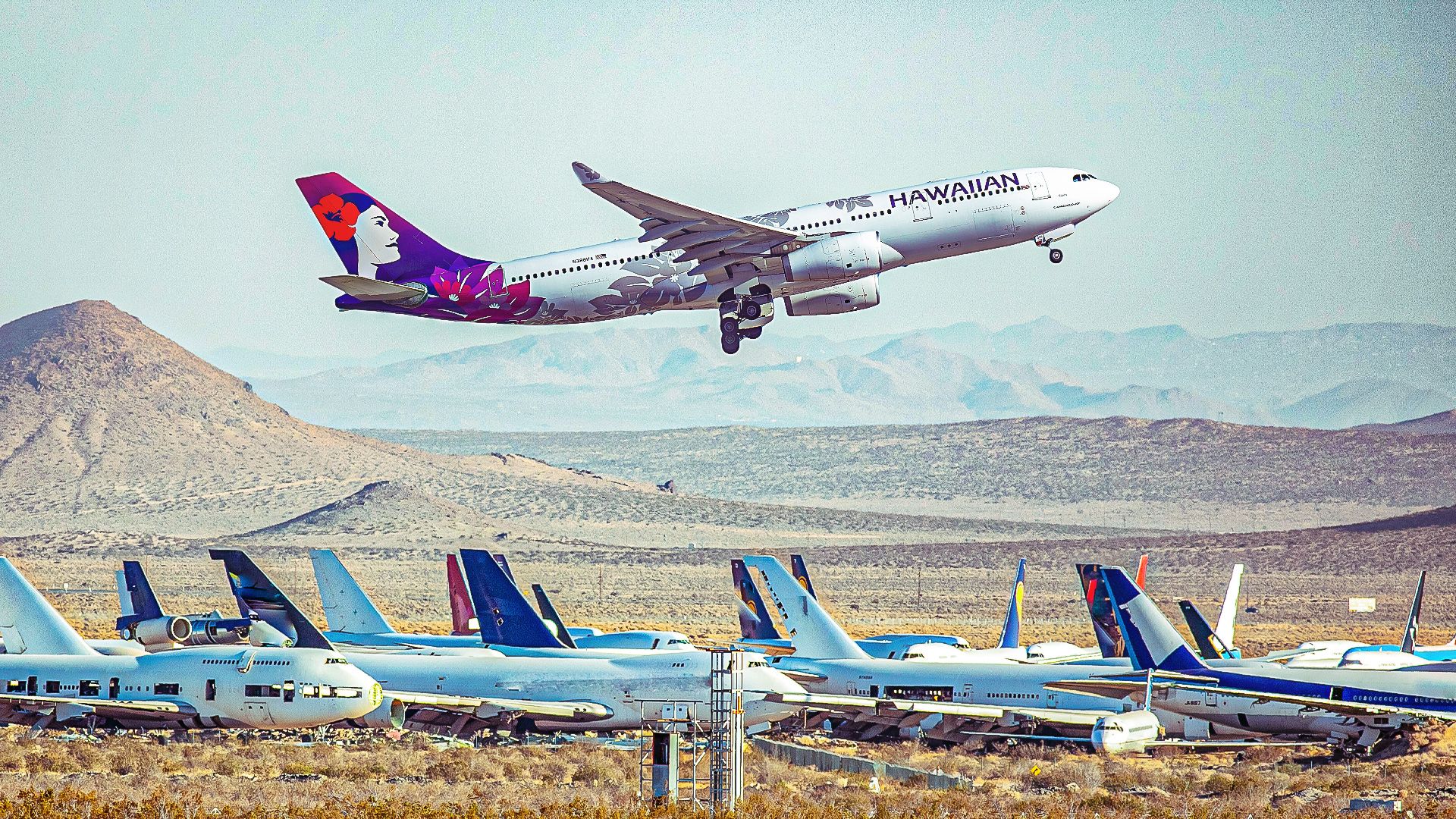
In 2024, Hawaiian Airlines completed its merger with Alaska Airlines, creating a powerful alliance in the aviation sector. While both airlines maintain distinct brands, they now operate under unified leadership. This shift raises important questions about the future of Hawaiian Airlines’ fleet, particularly its Airbus A330-200 aircraft, which have been central to its long-haul operations.
Impact of the Merger on Fleet Decisions
The merger signifies a strategic partnership that could reshape route networks and fleet planning for both airlines. The Airbus A330-200 has long been a workhorse for Hawaiian Airlines, facilitating flights to various international destinations. As the airlines integrate, decisions about the A330 fleet could significantly influence their operational capabilities.
Industry analysts are closely observing how Alaska Airlines will approach fleet management post-merger. With Alaska’s existing fleet primarily consisting of Boeing aircraft, there could be a shift towards a more uniform fleet model. This could potentially lead to the retirement of Hawaiian’s A330-200s, a move that would impact the airline’s long-haul service offerings.
Performance and Operational Considerations
The Airbus A330-200, which joined Hawaiian Airlines’ fleet in 2010, has been renowned for its reliability and efficiency. These aircraft have served as the backbone of Hawaiian’s transpacific routes, connecting the islands to major markets such as Los Angeles and Tokyo.
However, as the aviation industry evolves, operational efficiency becomes increasingly critical. Alaska Airlines may prioritize modernizing its fleet to enhance performance and reduce costs. This trend towards fleet modernization could result in Hawaiian Airlines phasing out the A330-200, particularly if newer, more fuel-efficient models become available.
While no official announcements have been made regarding the retirement of the A330s, the integration of the two airlines presents an opportunity for Alaska Airlines to streamline operations. The decision will likely hinge on a comprehensive analysis of cost-effectiveness, operational efficiency, and market demand.
The future of Hawaiian Airlines’ Airbus A330-200 fleet remains uncertain. With the merger now complete, stakeholders will be keenly watching for indications of how the combined leadership will navigate fleet strategy. The outcome could significantly impact Hawaiian’s long-haul services and its ability to compete in the increasingly competitive transpacific market.
As the situation develops, both employees and travelers are left to ponder what changes may be on the horizon. The integration of these two airlines is poised to define not just their futures, but also the broader landscape of air travel on the US West Coast and across the Pacific.