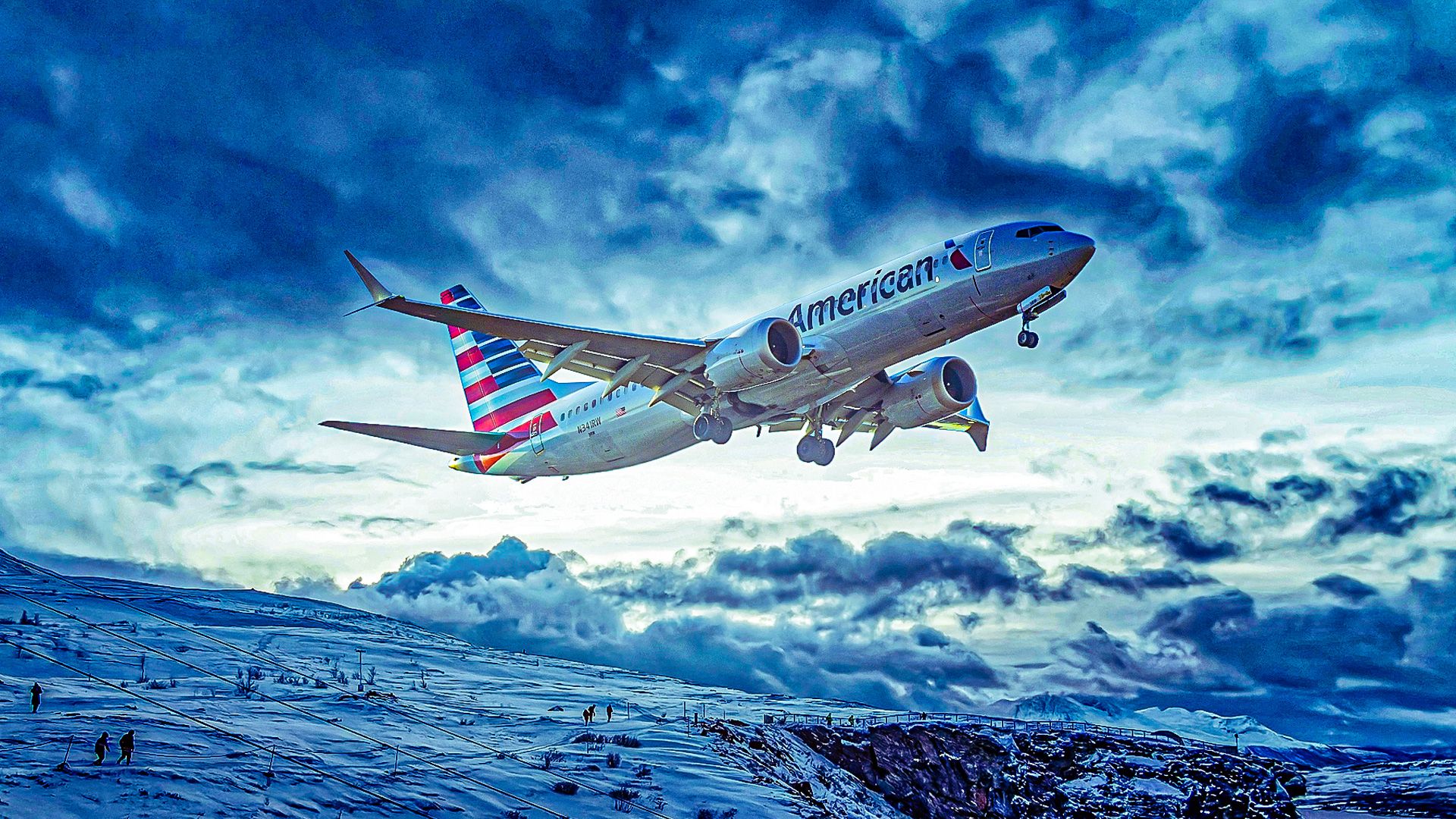
American Airlines CEO Robert Isom has agreed to meet with representatives from the Allied Pilots Association (APA) following rising concerns from the airline’s pilot workforce. This decision comes after the APA issued an open letter criticizing American’s performance and its lack of a clear strategy for improvement. Isom aims to discuss these issues directly with union leaders in an effort to address the airline’s operational challenges.
The meeting is expected to take place “as soon as possible.” In the letter, Isom acknowledged the APA’s concerns regarding American’s declining performance compared to its competitors, Delta Air Lines and United Airlines. The pilots raised their voices after severe operational disruptions during the recent Fern and Gianna winter storms, which further exacerbated existing frustrations.
In a message to the union, Isom expressed a desire to align with the APA on the goal of revitalizing American Airlines. He confirmed his willingness to meet with Nick Silva, the APA President, or the union’s Board of Directors. Importantly, Isom noted the need for a solid business plan to guide American Airlines back to success, acknowledging that specific strategies had yet to be detailed.
Despite the proactive step of scheduling a meeting, tensions remain high among pilots. They have expressed dissatisfaction not only with the recent operational failures but also with a long-term trend of decline within the airline. While Delta and United have reported billions in profits for 2025, American’s profit margins fell dramatically by 87%, only achieving $111 million in profit last year. This stark contrast has led pilots to question the airline’s sustainability and management decisions.
The APA has refrained from demanding Isom’s resignation but has conveyed a lack of confidence in the current leadership’s ability to navigate these challenges. Representing over 16,000 pilots, the union is contemplating a vote of no-confidence against American’s leadership, though it has not yet taken that step. The strong language in their recent statement signals a growing urgency for change within the organization.
While Isom’s willingness to engage directly with the union leadership is a significant move, it appears to diverge from the APA’s initial request to meet with the airline’s board of directors. The union’s intention to “get its house in order” suggests a desire for broader leadership changes rather than solely addressing concerns with Isom.
Another point of contention may arise from Isom’s reference to “pilot attendance policies,” which the APA perceives as shifting blame onto pilots for the operational disruptions. The union has long criticized American’s scheduling system, particularly during the winter storms when pilots reported being held for extended periods without clear communication.
As American Airlines navigates these turbulent times, the upcoming meeting between Isom and the APA will be closely watched. The outcome could determine not only the trajectory of the airline’s recovery but also the future dynamics between management and its pilots.