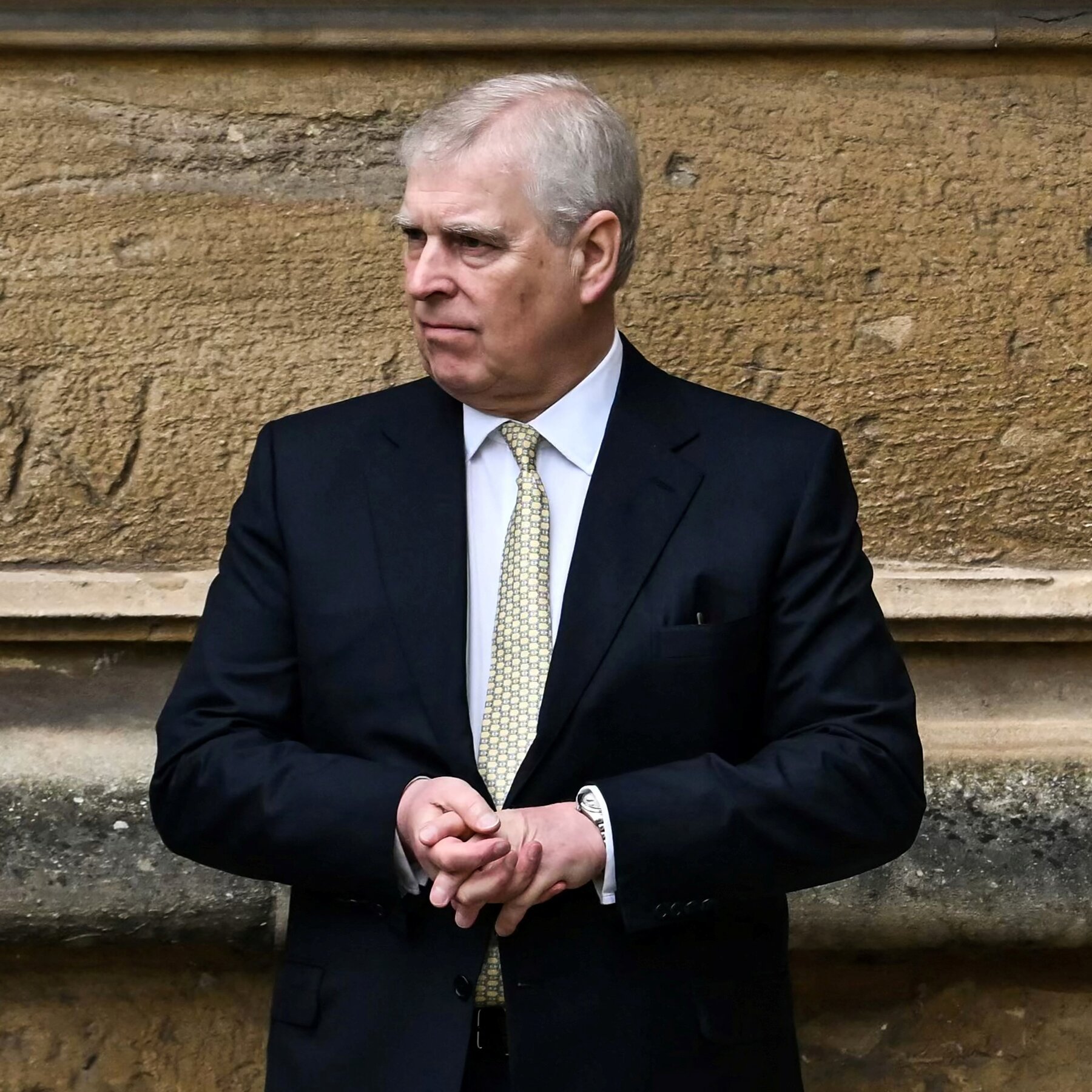
Andrew Mountbatten-Windsor, the brother of King Charles III, once enjoyed a prominent and beloved status within the British royal family. His close relationship with their mother, the late Queen Elizabeth II, further solidified his place in the public’s affection. However, this admiration has significantly diminished due to his association with the convicted sex offender, Jeffrey Epstein.
Mountbatten-Windsor was born on February 19, 1960, and spent much of his early life in the public eye. He was regarded as a supportive figure within the royal family, often participating in charitable events and public engagements. His charm and approachable demeanor made him a favorite among royal watchers and the media alike.
Friendship with Epstein Raises Questions
The turning point in Mountbatten-Windsor’s reputation came with revelations about his friendship with Epstein, who was arrested in July 2019 on charges of sex trafficking minors. Reports indicated that Mountbatten-Windsor had socialized with Epstein on multiple occasions, including visits to Epstein’s private island in the Caribbean and his residence in New York. The fallout from these associations led to intense scrutiny and criticism.
In a 2019 interview with the BBC, Mountbatten-Windsor attempted to distance himself from Epstein, stating, “I don’t think I would have been capable of doing what he did.” Despite this assertion, public sentiment had already shifted, and many questioned the nature and depth of his relationship with Epstein.
The implications of this friendship extended beyond personal repercussions. As a member of the royal family, Mountbatten-Windsor’s ties to such a controversial figure raised broader concerns about the monarchy’s image and accountability. This scrutiny intensified following the **2020** documentary titled “The Prince and the Paedophile,” which examined the royal family’s connections to Epstein.
Public Perception and Future Prospects
Mountbatten-Windsor’s standing within the royal family has not only affected his personal life but also had ramifications for the monarchy as a whole. The royal family has worked to project a modern and ethical image, and Mountbatten-Windsor’s past actions have posed challenges to that narrative.
While he retains some support from loyalists, the general public reaction has been mixed. Many view his association with Epstein as inexcusable, leading to calls for greater accountability from royal family members regarding their personal relationships.
As of now, Mountbatten-Windsor’s future within the royal fold remains uncertain. Unlike his brother, King Charles III, who has taken an active role in reshaping the monarchy, Mountbatten-Windsor has largely stepped back from public life. His previous engagements have diminished, and he has not made significant appearances or statements since the Epstein controversy erupted.
In summary, Andrew Mountbatten-Windsor’s journey from a cherished royal figure to one embroiled in controversy illustrates the complex dynamics of public perception and accountability within the monarchy. As the royal family navigates its path forward, the implications of Mountbatten-Windsor’s past relationships will likely continue to resonate, shaping the narrative of a family that has been a symbol of tradition and continuity for generations.