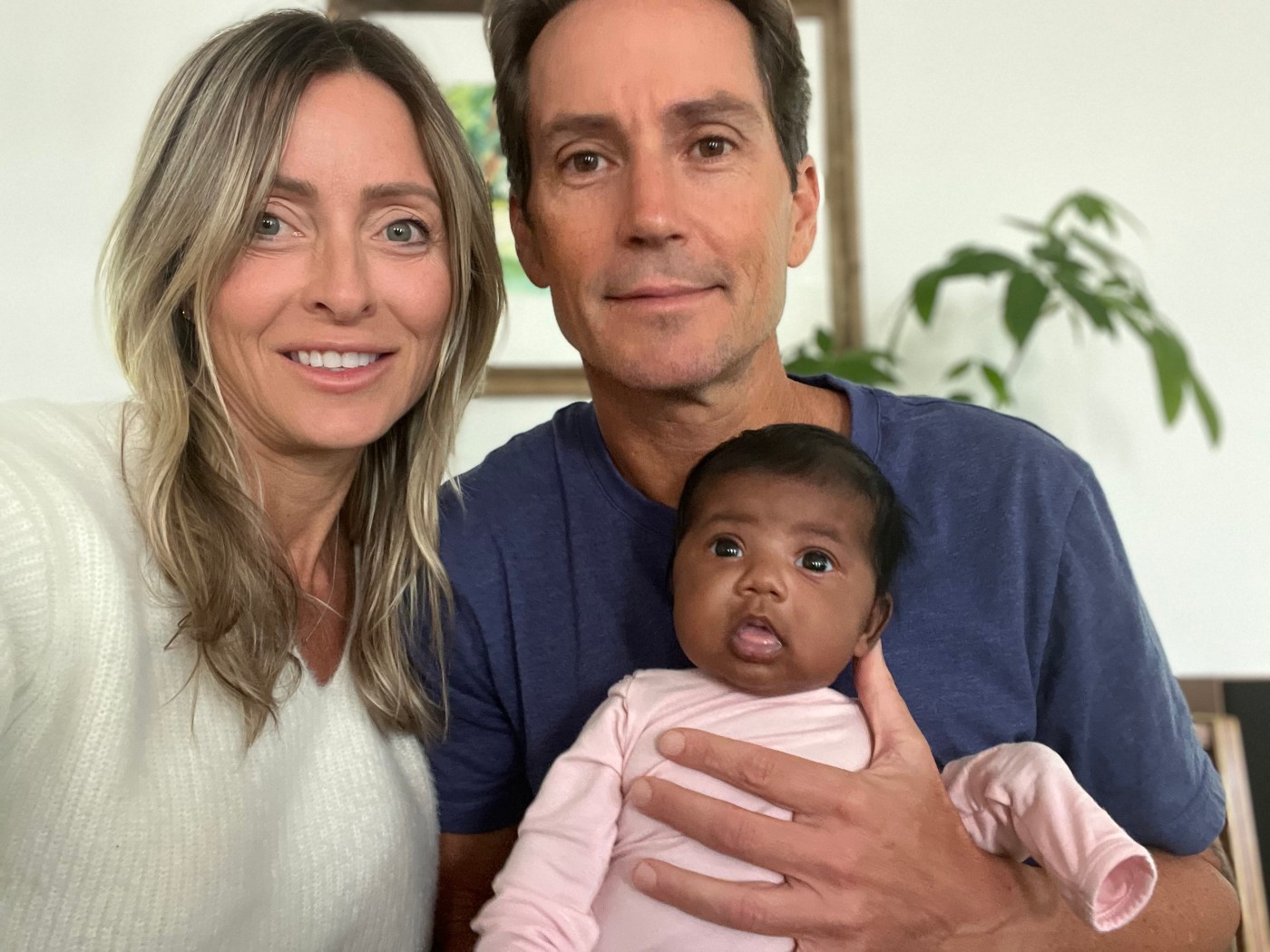
A woman implanted with the wrong embryo at a Florida fertility clinic gave birth to a child who is not biologically related to her or her partner. During a virtual court hearing on March 12, 2024, attorney Mara Hatfield argued that the mix-up likely took place nearly six years ago in the laboratory of IVF Life Inc. in Longwood. The couple, Tiffany Score and Steven Mills, is seeking legal recourse following the unexpected birth of their daughter.
Hatfield informed Circuit Court Judge Margaret Schreiber that the couple’s embryos were extracted and combined with Mills’ sperm in March 2020, after which they were cryogenically frozen. She noted that other clients underwent similar procedures at the clinic around the same time. “Our client’s embryos probably got swapped with embryos of other patients,” Hatfield stated. She suggested that the mix-up could also have occurred on April 20, 2025, when Score had an embryo implanted, as another woman has also come forward claiming she was at the clinic that day for a similar procedure.
The couple discovered the error after giving birth to a healthy girl and noticing that the baby did not share their Caucasian ethnicity. Genetic tests confirmed that the child was not theirs, prompting them to file a lawsuit against Dr. Milton McNichol, who operates the clinic, as well as IVF Life Inc. Although they have embraced the child and are committed to raising her, Score and Mills express concern over potential legal claims to her custody from biological parents, should they be identified.
The couple is also worried that one of their embryos may have been implanted in another woman, who is now raising their biological child. They are requesting that the Orange County court mandate the clinic to inform all patients who utilized its services over the past five years about their situation and to cover the costs of genetic testing for any children born through the clinic’s procedures during that period.
During the hearing, Hatfield stressed the urgency of the situation, stating, “The more time passes, the stronger the bonds between the parents and the child become.” The couple’s attorneys have accused the clinic of delaying the release of essential information.
In response, attorneys representing the clinic and Dr. McNichol emphasized that they are not stalling but are navigating complex patient confidentiality laws, particularly those outlined by the federal Health Insurance Portability and Accountability Act of 1996 (HIPAA). “One of the issues that we’re facing is patient confidentiality,” said Francis Pierce, an attorney for McNichol.
Judge Schreiber acknowledged the privacy concerns but expressed the need for expediency in addressing the couple’s requests. She ordered weekly status hearings to ensure progress in the case. “It is a great concern to the court that there is another potential child out there,” she remarked, underscoring the importance of resolving the matter swiftly.
The judge also instructed the clinic to verify that patients who used its services from March 2020 to April 2025 were contacted and given the option to waive confidentiality for testing purposes. The attorneys for the clinic have argued that many individuals prefer to keep their fertility treatments private, complicating the process of reaching out to potentially affected patients.
While the couple continues to navigate this distressing situation, they remain hopeful for clarity regarding their embryos and the circumstances surrounding the mix-up. The court’s decisions in the coming weeks will be crucial in determining the next steps for Score and Mills as they seek answers and resolution.