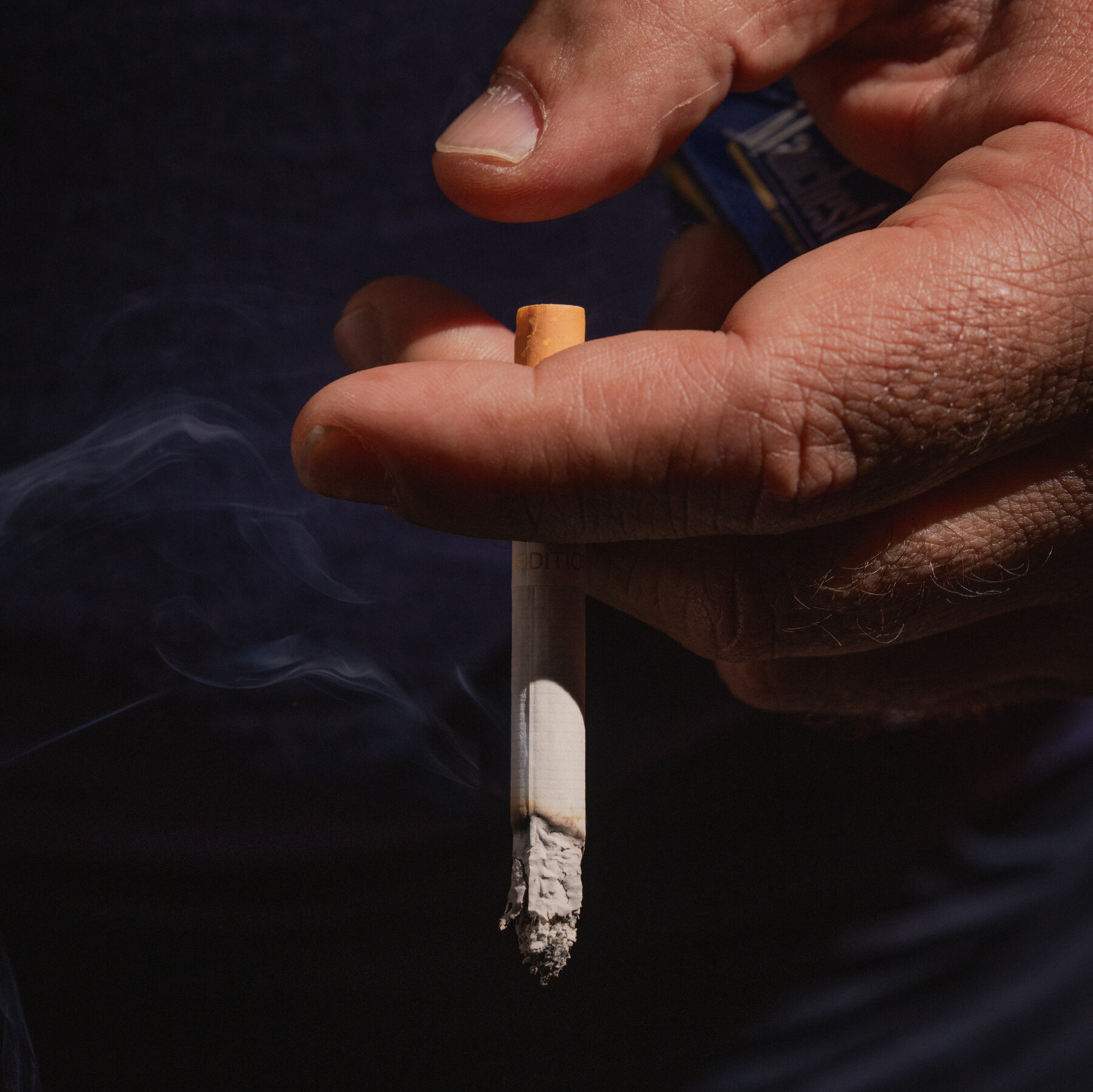
The introduction of significant tax hikes has led to a dramatic increase in cigarette prices in Australia, with costs now reaching as high as $40 per pack. As a result, many smokers are turning to the black market for cheaper alternatives, inadvertently fuelling a multibillion-dollar criminal enterprise in bootleg tobacco.
Historically, Australia has imposed some of the world’s strictest tobacco control measures. Since 2010, the government has increased taxes on tobacco products as part of a public health strategy aimed at reducing smoking rates. According to the Australian Taxation Office (ATO), these measures have not only made cigarettes prohibitively expensive but have also triggered a surge in illegal tobacco sales.
Impact of Tax Hikes on Smoking Behavior
Research indicates that the price elasticity of demand for tobacco products is significant. A report by the Australian Institute of Health and Welfare highlights that as prices rise, many smokers seek cost-effective alternatives. In 2023, it was estimated that around 14% of adult smokers in Australia resorted to purchasing illegal tobacco. This shift not only undermines public health policies but also represents a substantial loss in tax revenue for the government.
The black market for tobacco has become an attractive option for many Australians. Bootleg cigarettes are often sold at a fraction of the price of legal products, making them appealing to budget-conscious consumers. Some estimates suggest that illegal tobacco sales could account for up to $3 billion annually, drawing in organized crime groups that thrive on the lucrative trade.
Government Response and Ongoing Challenges
The Australian government has acknowledged the growing issue of illegal tobacco and is taking steps to combat it. Increased enforcement efforts by the Australian Border Force have been implemented to disrupt smuggling operations. Additionally, public awareness campaigns are being launched to educate consumers about the health risks associated with illegal tobacco products.
Despite these efforts, challenges remain. Law enforcement officials face difficulties in tracking and prosecuting those involved in the illegal trade. Furthermore, the profitability of bootleg tobacco continues to attract new players to the market, complicating efforts to curb its growth.
The situation has raised questions about the effectiveness of current public health strategies. Some experts argue that while high taxes can reduce smoking rates, they must be balanced with measures that address the unintended consequences of increased black market activity.
As Australia grapples with these complex issues, the government will need to reassess its approach to tobacco control, weighing the benefits of taxation against the rise of illegal trade that undermines both public health and national revenue. The battle against black market tobacco is ongoing, with significant implications for smokers and policymakers alike.