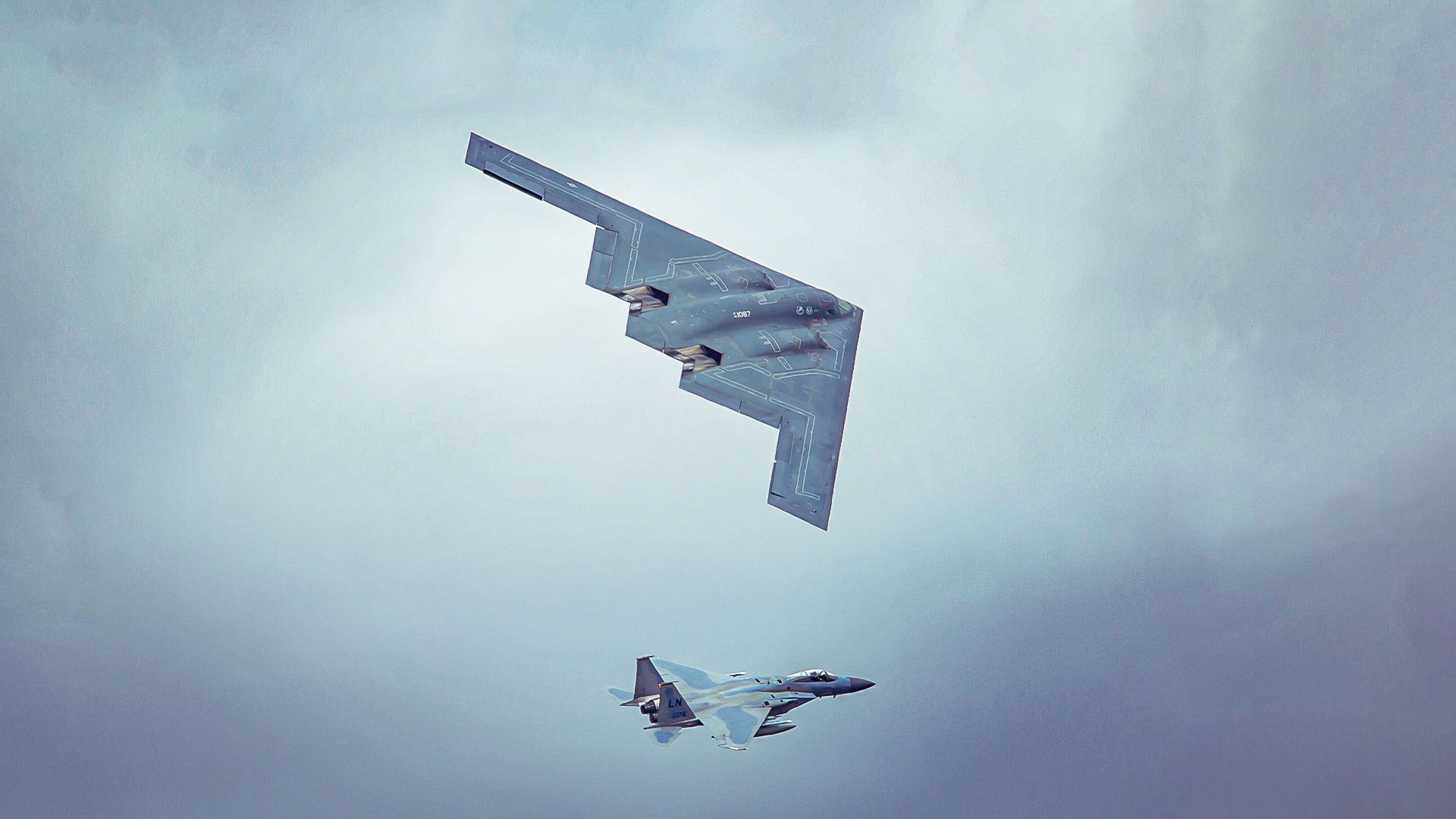
The future of the Northrop B-2 Spirit bomber appears secure for the foreseeable future, as the United States Air Force (USAF) continues its mid-life upgrades. Contrary to earlier predictions of a potential retirement in the late 2020s, the B-2 is expected to remain operational into the 2030s or even the 2040s. The retirement timeline is influenced by the transition to the new B-21 Raider, which is set to enter service in 2027.
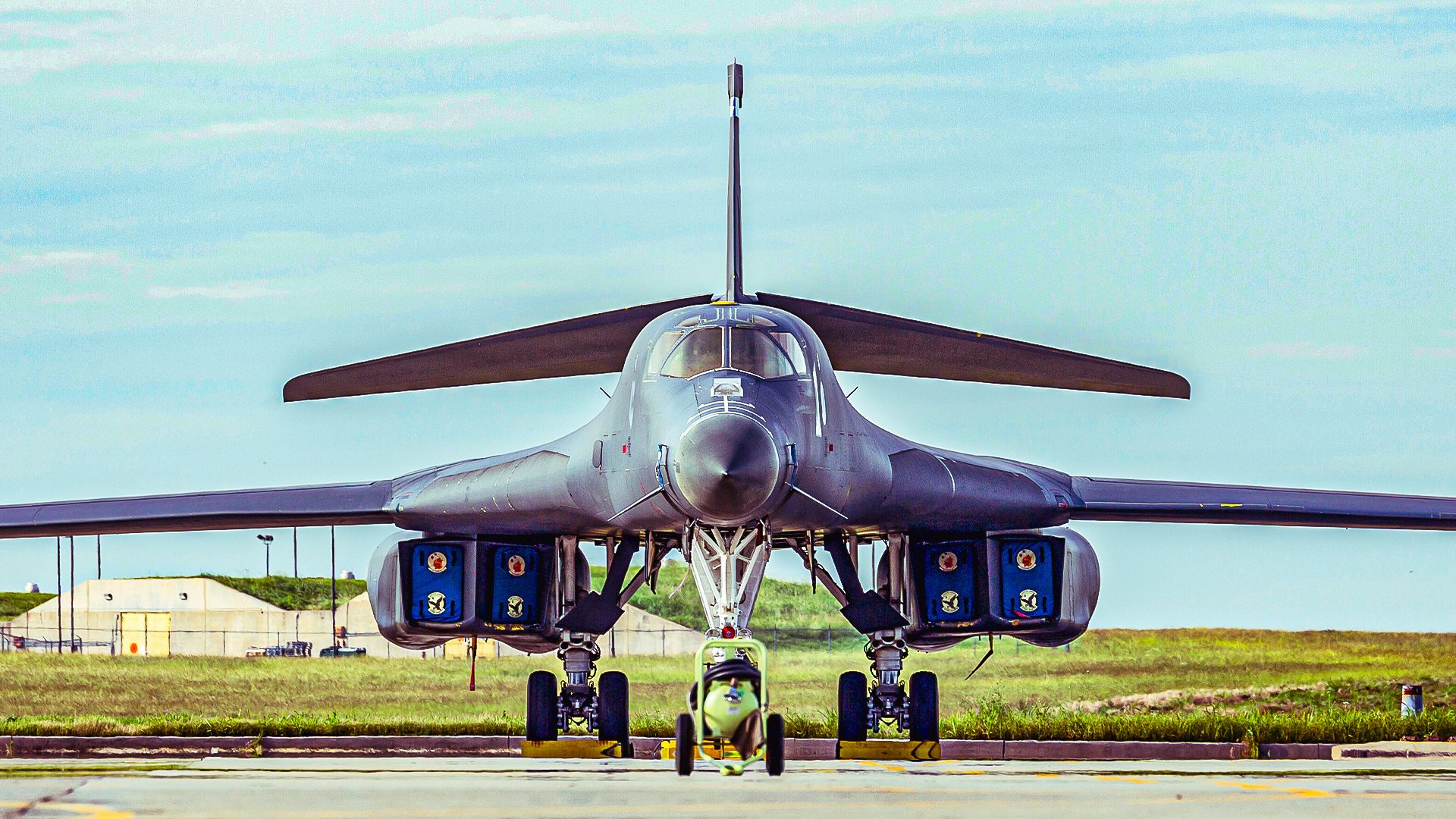
A primary factor delaying the B-2’s retirement is the current status of the B-1 Lancer fleet. The USAF is unlikely to retire its B-2s until the B-1 Lancers are phased out and there are enough B-21s to assume their role. As of now, the B-2 remains the most advanced stealth bomber in the USAF’s arsenal, but its limited numbers and high maintenance costs are ongoing concerns.
The B-21 Raider’s Impact on Bomber Strategy
The B-21 Raider’s development is vital for the USAF’s strategic planning. The second flying prototype of the B-21 was delivered in 2025, with more prototypes scheduled for delivery in 2026. With the current fleet comprising the B-52 Superfortress, the B-1 Lancer, and the B-2 Spirit, the introduction of the B-21 will give the USAF four distinct strategic bombers.
While the B-52s, first deployed in the 1950s, are expected to remain in service until the 2050s, they have limited capabilities in contested airspace. They are now primarily used for carrying heavy loads of stand-off munitions, while the B-2 and B-21 are designed for penetrating such airspace. This strategic distinction highlights the importance of retaining both the B-2 and the future B-21.
The B-1 Lancer is the first bomber scheduled for retirement, with the USAF announcing plans to retire 17 of its fleet of 62 B-1B Lancers in 2021. However, operational challenges have led to a reduction in the active fleet, prompting the USAF to reactivate some aircraft from storage to maintain sufficient numbers.
Mid-Life Upgrades and Fleet Limitations
The B-2 Spirit is currently undergoing significant mid-life upgrades, aimed at extending its operational lifespan. These upgrades come with a considerable investment: the USAF awarded Northrop Grumman a contract worth $7 billion for enhancements and sustainment. With only 19 B-2s in active service, this translates to approximately $350 million per aircraft for modernization efforts.
Despite these investments, the B-2 fleet size remains a concern. Initial plans called for the acquisition of 132 B-2 bombers, but only 21 were produced. This limited number means that each loss is critical, as replacements are not feasible. A notable incident occurred in 2022 when the B-2 “Spirit of Hawaii” was damaged beyond repair, reducing the fleet to 19.
The USAF’s budget documents indicate no planned retirements for the B-2 through fiscal year 2029, suggesting that the aircraft will continue to play a key role in the USAF’s strategic capabilities for the time being. However, as the B-21 enters service, the retirement of older models like the B-1 Lancer may accelerate, potentially affecting the timeline for the B-2.
The current landscape indicates that while the B-2 Spirit may not be retiring soon, its future will largely depend on the successful integration of the B-21 Raider and the overall strategic needs of the USAF. As newer technologies emerge, the balance between maintaining legacy systems and introducing advanced capabilities will shape the direction of the USAF’s bomber fleet for years to come.