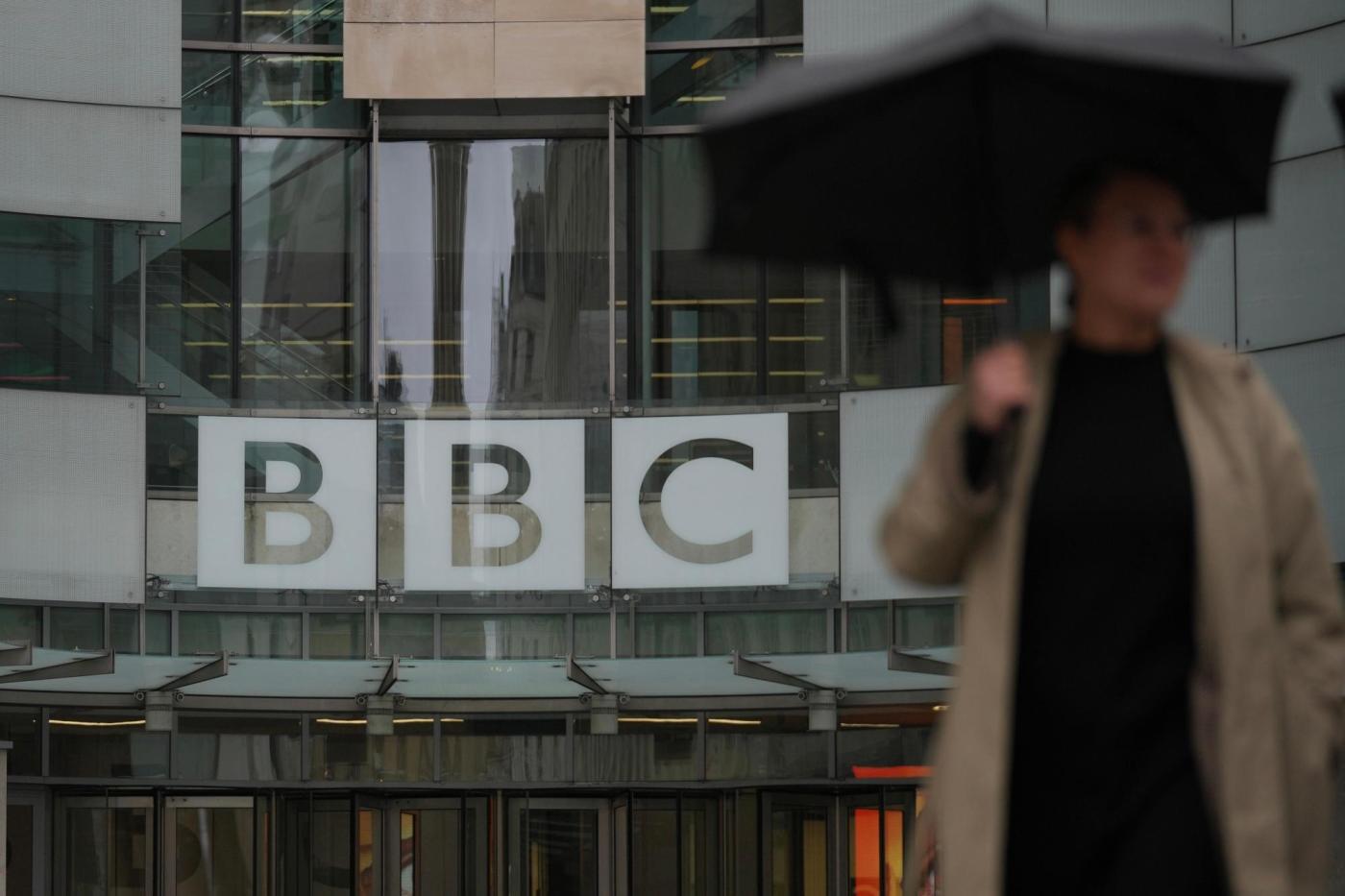
The BBC is preparing to ask a court to dismiss President Donald Trump’s ambitious $10 billion lawsuit regarding the editing of his speech from January 6, 2021. The lawsuit, filed in a federal court in Florida, stems from a segment in the BBC documentary “Trump: A Second Chance,” which Trump claims misrepresents his statements by splicing together quotes from his speech.
Trump’s legal action claims $5 billion in defamation damages and an additional $5 billion for unfair trade practices. The controversy centers on how the documentary edited his remarks made shortly before the storming of the U.S. Capitol by his supporters. The BBC combined quotes from two separate parts of the speech, creating the impression that Trump was urging his followers to engage in violence.
In the original speech, Trump had called for peaceful demonstrations, a portion that was omitted in the documentary. The BBC has expressed regret over the editing but maintains that it did not defame Trump.
Details of the Legal Proceedings
Recent court documents submitted to the U.S. District Court in Miami indicate that the BBC intends to file a motion to dismiss the lawsuit on March 17, 2024. The documents argue that the court lacks jurisdiction because the BBC did not create, produce, or broadcast the documentary within Florida. They also contest Trump’s assertion that the documentary was available in the United States via the streaming service BritBox.
In addition, the BBC has requested a delay in the discovery process. Charles Tobin, a lawyer representing the BBC, noted that pursuing discovery while the motion to dismiss is pending could impose significant burdens and costs on the defendants, which would be unnecessary if the motion is granted.
If the case proceeds, a trial date has been suggested for 2027. The BBC affirmed its commitment to defending against the lawsuit, stating, “As we have made clear previously, we will be defending this case. We are not going to make further comment on ongoing legal proceedings.”
The outcome of this case could have far-reaching implications not only for Trump but also for media organizations navigating the complexities of reporting on politically charged events. The legal landscape surrounding defamation and media responsibility remains a critical area of scrutiny, particularly as the 2024 U.S. presidential election approaches.