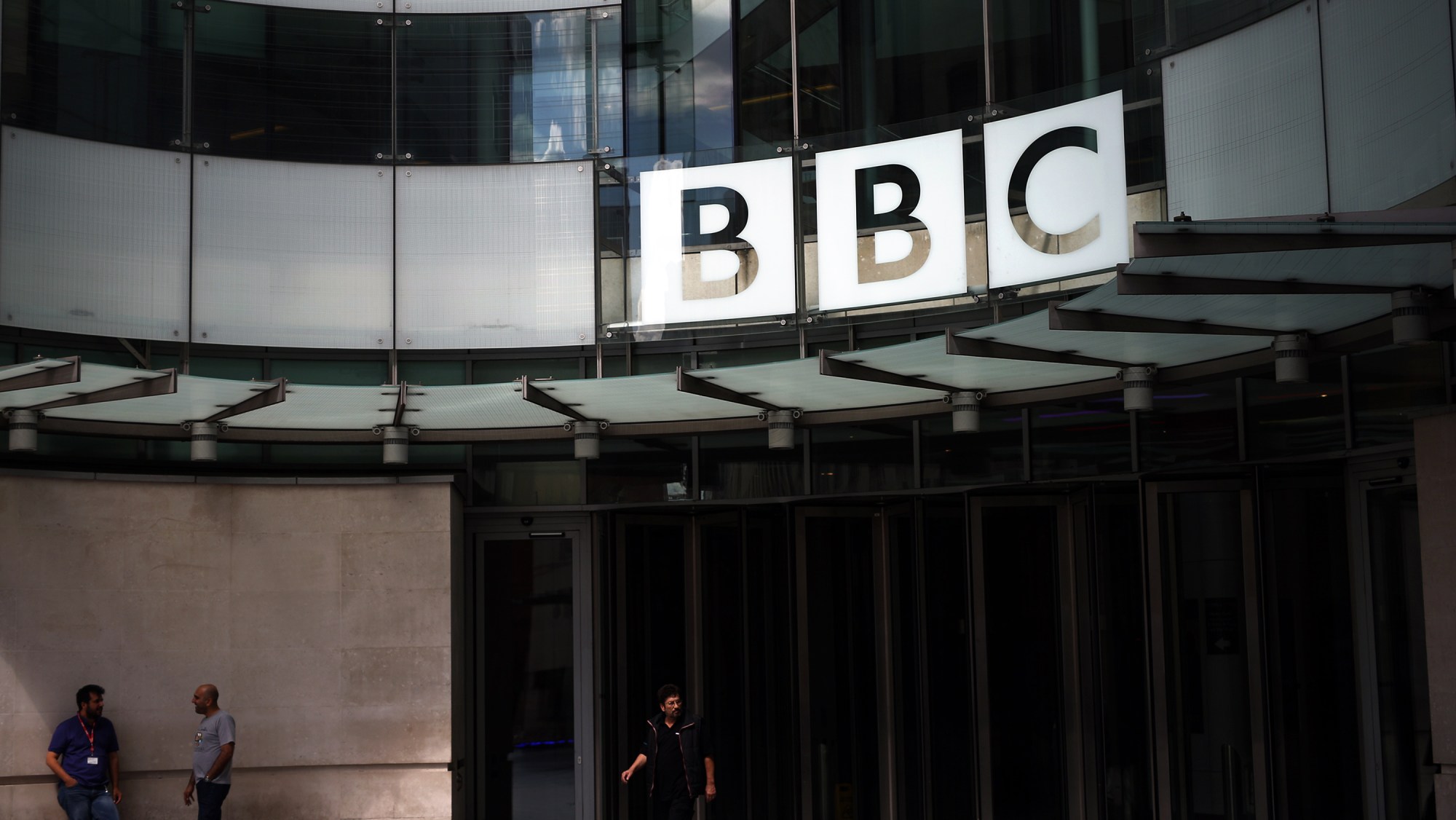
The BBC has announced a significant partnership with YouTube to produce original content aimed at younger audiences. This deal, revealed in October 2023, marks a strategic shift for the British broadcaster, which seeks to adapt to changing viewing habits and enhance its reach in the digital landscape.
Under this agreement, the initial focus will be on programming for the BBC Three channel, targeting youth with a mix of entertainment, news, and sports content. As part of the arrangement, these original shows will also be accessible later on the BBC’s iPlayer streaming platform and the BBC Sounds audio service. Previously, the BBC had not developed original series specifically for YouTube, although its primary channel on the platform boasts over 15 million subscribers who currently watch trailers and clips from various programs. Additionally, the BBC News YouTube channel has around 19 million subscribers, indicating a substantial interest in its content.
This collaboration allows the BBC to monetize its original productions internationally, particularly beneficial since the broadcaster does not run advertising in the UK. As the BBC looks to diversify its income streams, this move comes in the wake of ongoing discussions about the future of the license fee, which is funded by UK taxpayers and supports public broadcasting.
Juliane Althoff, a film and television lawyer and partner at the media and entertainment law firm Simkins LLP, commented on the implications of this partnership. She stated, “This deal marks a strategic acknowledgment of where audiences now sit and how they consume content – especially younger demographics – and reflects the need to increase commercial opportunities to supplement the license fee.”
Althoff emphasized that the BBC aims to reach a wider audience while maintaining its public service obligations. The agreement will allow the BBC to commission content specifically for YouTube while retaining rights to distribute it on iPlayer and BBC Sounds. This dual approach ensures that the BBC can engage with digital audiences while safeguarding its brand and long-term commercial interests.
However, Althoff also noted potential challenges related to editorial control and brand integrity. She remarked, “Any agreement between the BBC and YouTube will need to be carefully structured to ensure strict impartiality and accuracy in a way that prevents any accusation of bias or misinformation.” This highlights the importance of maintaining the BBC’s reputation for trustworthy journalism, especially as it expands into new platforms.
As the BBC navigates this partnership with YouTube, it endeavors to strike a balance between innovation and its commitment to public service broadcasting. The success of this initiative will likely be closely monitored, as it reflects broader trends in media consumption and the evolving landscape of digital content. With a clear aim to captivate younger viewers, the BBC’s foray into original programming on YouTube may redefine its engagement strategy in the years to come.