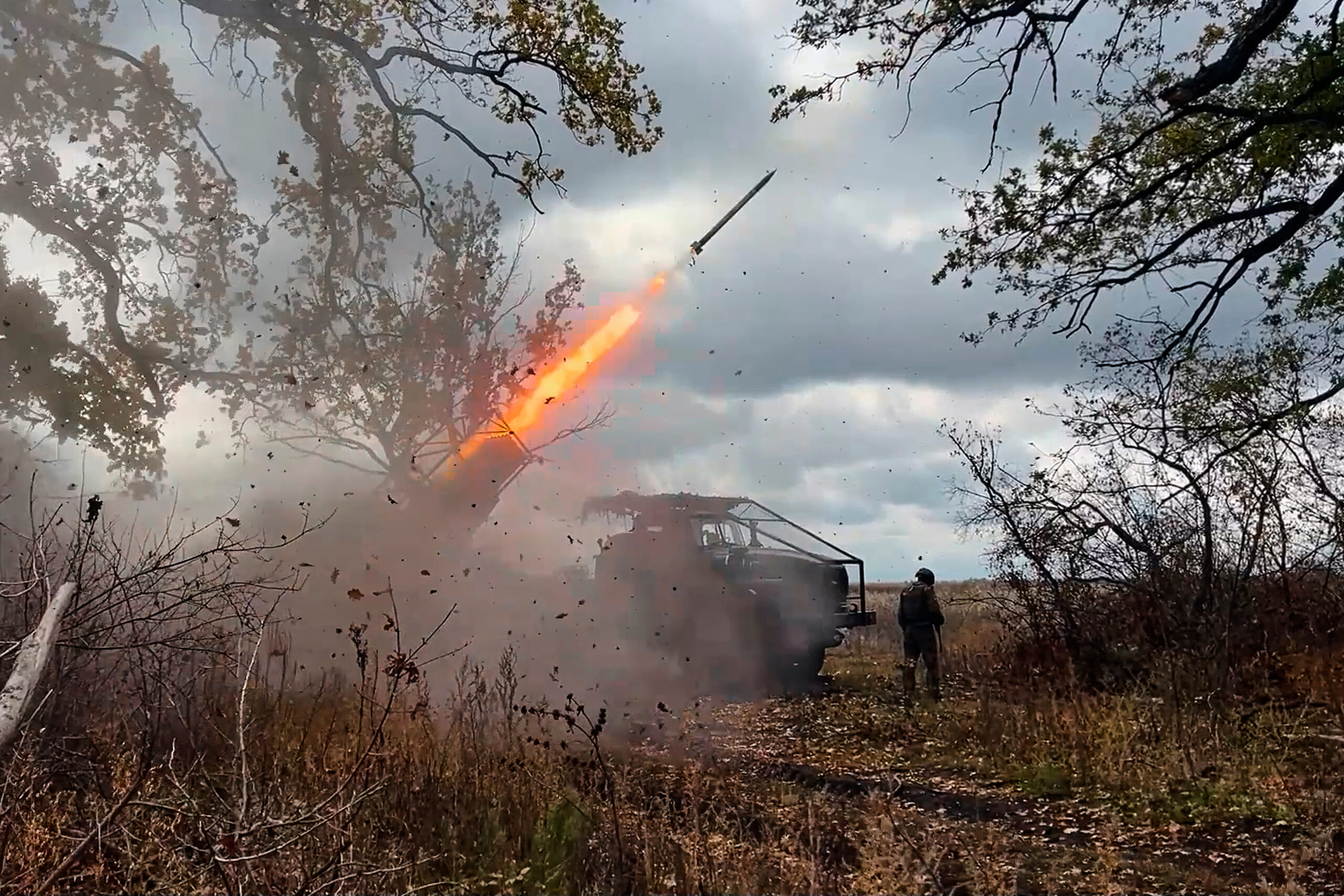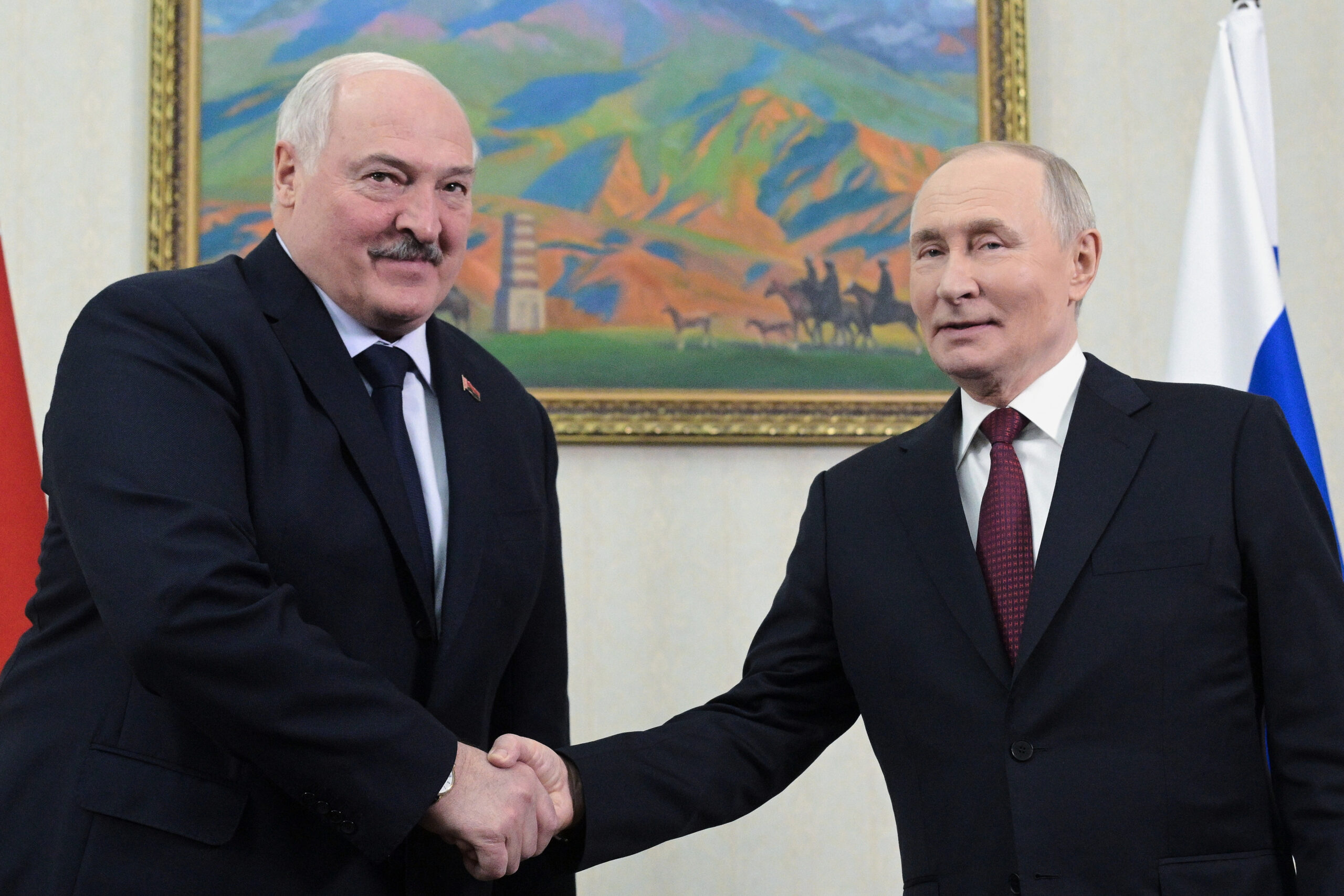
Belarusian President Alexander Lukashenko announced on Thursday that Russia has deployed its new nuclear-capable Oreshnik missile system to Belarus, marking a significant escalation in military tensions amid ongoing discussions related to the conflict in Ukraine. The missiles arrived in Belarus on October 4, 2023, and are now entering combat duty, according to Lukashenko.
The Oreshnik is an intermediate-range ballistic missile system capable of carrying nuclear warheads. While Lukashenko did not disclose the number of missiles deployed, Russian President Vladimir Putin indicated during a meeting with military officials that the system would be operational within the month. This deployment comes as peace negotiations between Kyiv and Moscow face significant challenges, with both sides holding firm to their demands.
Putin’s comments underscored a broader strategy, warning that Russia intends to expand its military gains in Ukraine if its conditions are not met. He highlighted the capabilities of the Oreshnik missile, claiming it could reach targets in Poland within 11 minutes and NATO headquarters in Brussels within 17 minutes. The missile’s speed and precision have been touted by Russian state media, emphasizing its potential impact.
This deployment is a continuation of Russia’s military presence in Belarus, which it has used as a staging ground for operations against Ukraine since the invasion began in February 2022. Belarusian territory has previously been utilized for launching strikes, and Lukashenko has mentioned that the country is home to several dozen tactical nuclear weapons supplied by Russia.
The Oreshnik missile system, which translates to “hazelnut tree” in Russian, was first tested in November 2024 in a conventional strike against a Ukrainian facility. Putin has claimed that the missile’s multiple warheads can travel at speeds of up to Mach 10, making them extremely difficult to intercept. This development raises concerns regarding the potential for Belarus to become a direct target in the ongoing conflict.
The implications of this deployment have drawn criticism from Belarusian opposition leaders. Sviatlana Tsikhanouskaya, a prominent opposition figure, stated that the presence of the Oreshnik missiles deepens Belarus’s military and political reliance on Russia. She condemned the militarization of Belarus, asserting, “The deployment of Oreshnik turns Belarus into a target and militarizes the country, and we stand categorically against it.”
Lukashenko’s government has faced significant international scrutiny for its close ties with Moscow and its human rights record. His administration has been subjected to numerous sanctions from Western nations due to its oppressive policies. Recent diplomatic maneuvers, including the release of Ales Bialiatski, a Nobel Peace Prize laureate, suggest a potential shift in Belarus’s foreign relations. This move coincided with an agreement that lifted certain U.S. sanctions on the Belarusian potash industry, a crucial sector for the country’s economy.
As the situation evolves, the strategic deployment of the Oreshnik missile system represents both a military escalation and a complex geopolitical maneuver. With both Russia and Belarus asserting their military capabilities, the international community continues to monitor the implications of these developments on regional stability and security.