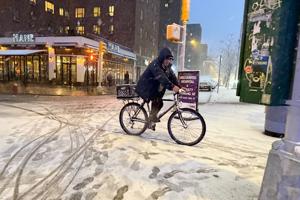
A powerful snowstorm has struck the northeastern United States, forcing millions to remain indoors due to severe weather conditions. The storm, which began on March 14, 2024, has been characterized by strong winds, blizzard warnings, and significant snow accumulations, prompting transportation shutdowns and closures of schools and businesses across the region.
As of Thursday morning, the National Weather Service reported that some areas could receive up to 12 inches of snow, while wind gusts could reach 60 mph. Major cities such as New York City, Boston, and Philadelphia are experiencing the brunt of the storm, leading to widespread disruptions.
Travel Disruptions and Safety Precautions
Transportation systems have faced extensive delays and cancellations. Airlines have grounded over 1,000 flights across the region, according to data from FlightAware. Ground travel has also been severely impacted, with many highways closed due to hazardous conditions. Local authorities are urging residents to avoid unnecessary travel and to stay updated on the evolving weather situation.
In response to the storm, state officials have declared emergencies in several areas, including Massachusetts and New Jersey. Officials are mobilizing resources to assist those in need, including the opening of emergency shelters for vulnerable populations.
Schools across the region have canceled classes, and many businesses have opted for remote work arrangements to ensure employee safety. The storm has also prompted the suspension of public transportation services in several major cities, with commuters advised to seek alternative arrangements.
The Impact on Daily Life
Residents are adjusting to the challenges posed by the storm. Many are stocking up on essential supplies, with grocery stores reporting increased foot traffic. Some neighborhoods have seen power outages, and utility companies are working diligently to restore services.
The storm’s impact goes beyond immediate inconveniences. Local economies are likely to feel the effects in the coming days, particularly in sectors reliant on foot traffic, such as retail and services. As businesses adapt to changing conditions, the resilience of communities will be tested.
While the storm is expected to taper off by the weekend, the aftermath may pose additional challenges, including potential flooding as temperatures rise and snow begins to melt. Emergency services remain on high alert, prepared to respond to any incidents as the situation develops.
As residents hunker down, they are reminded to stay informed through official channels, including the National Weather Service and local news outlets. The severe weather underscores the importance of preparedness and community support in facing natural challenges.