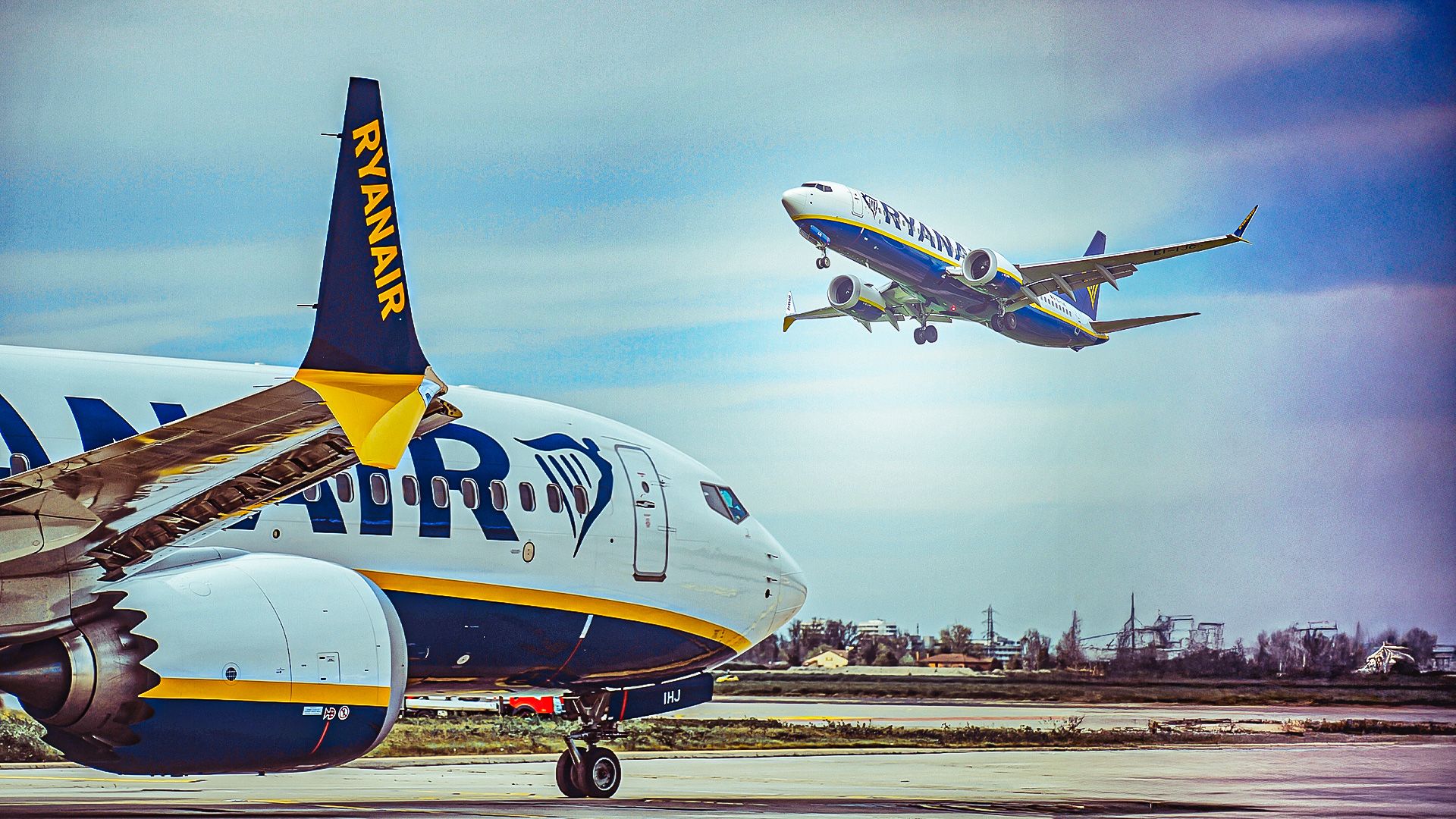
Elon Musk, the founder of SpaceX, has publicly criticized Ryanair and its CEO Michael O’Leary following the airline’s decision to reject the installation of SpaceX’s Starlink satellite Wi-Fi across its fleet. O’Leary expressed concerns about the financial viability of the service, citing a potential “two percent fuel penalty” due to the added weight and drag from Starlink’s hardware. SpaceX has disputed this claim, presenting its own data to support a much lower fuel penalty of 0.3% for a Boeing 737-800.
As the exchange escalated, Musk and O’Leary began trading personal insults. Musk labeled O’Leary an “utter idiot” and suggested that he should be fired. In a light-hearted jab, Musk even proposed buying Ryanair and appointing someone named Ryan as the new CEO.
The Origins of the Disagreement
The dispute began earlier this week when O’Leary announced that Ryanair would not invest in Starlink’s in-flight connectivity system. He argued that the additional yearly costs would be around $250 million, translating to approximately €1 extra per passenger. Musk responded on social media platform X, stating that O’Leary was “misinformed.”
Michael Nicolls, Vice President of Starlink Engineering, backed Musk’s claims, asserting that the weight and drag penalties associated with Starlink’s technology are significantly lower than those suggested by O’Leary. The tension increased following O’Leary’s comments during a radio interview on Newstalk, where he dismissed Musk’s expertise, calling him “very wealthy, but still an idiot.”
O’Leary’s remarks prompted Musk to escalate his response on X, calling for O’Leary’s dismissal and quipping about acquiring Ryanair. In a twist, Ryanair’s social media team took advantage of a recent outage on Musk’s platform, poking fun at him in a tweet.
Technical Disputes Over Starlink Implementation
The installation of Starlink on an aircraft necessitates the addition of hardware, including antennas and radomes, which increases the aircraft’s weight and aerodynamic drag. O’Leary maintained that this would lead to a two percent increase in fuel consumption. However, Starlink engineers argue that the newer designs of their equipment are significantly thinner, reducing the aerodynamic impact.
According to a study from Cornell University in March 2025, Starlink’s Wi-Fi service delivers superior speeds and reliability compared to traditional systems. The service allows for data-intensive applications such as streaming and video conferencing, achieving download speeds often exceeding 200 Mbps, comparable to home Wi-Fi networks.
Despite the advantages, O’Leary remains skeptical about passenger willingness to pay for in-flight Wi-Fi. He noted that while travelers may enjoy complimentary services, they are unlikely to pay for internet access on shorter flights. Ryanair, as an ultra-low-cost carrier, has historically relied on ancillary fees, which might deter passengers from utilizing paid Wi-Fi services.
Starlink’s popularity among airlines is growing, with German carrier Lufthansa recently announcing plans to equip its entire fleet of approximately 850 aircraft with the technology. Over 30 airlines have either implemented or announced agreements with Starlink, including airBaltic, Alaska Airlines, Qatar Airways, and United Airlines.
The ongoing dispute between Musk and O’Leary highlights the challenges and considerations airlines face when adopting new technologies. As competition in the aviation sector intensifies, the ability to provide reliable in-flight connectivity could be a significant factor in attracting and retaining passengers.