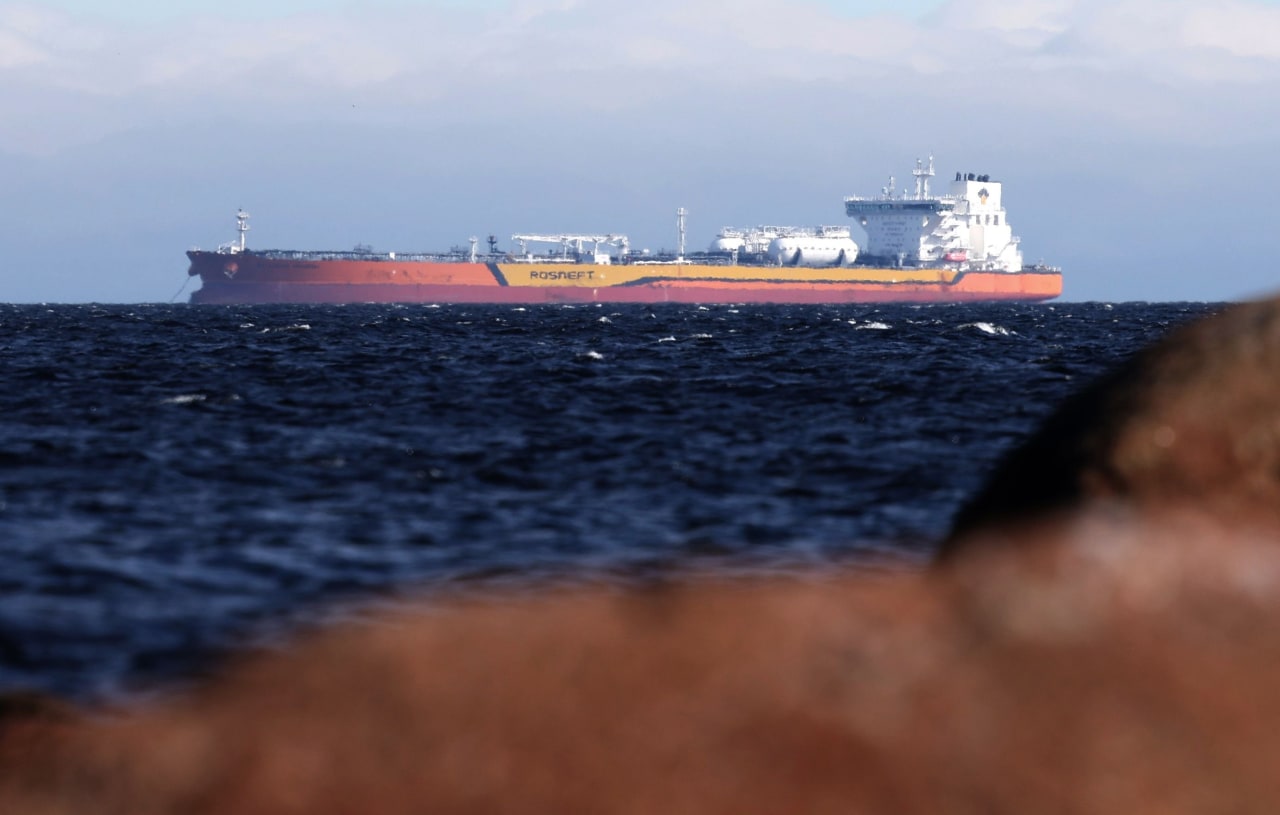
The European Union has imposed significant sanctions on two prominent traders linked to the Russian oil industry, striking a blow to a clandestine market that has financed Moscow’s military activities in Ukraine. This decisive action targets key figures in the oil trade, with the aim of curbing Russia’s resources amid ongoing conflict.
The sanctions, announced on October 10, 2023, specifically focus on Igor Sechin, head of the Russian state oil company Rosneft, and Dmitry Mazepin, a businessman with strong ties to the Kremlin. The EU’s enforcement of these measures is part of a broader strategy to pressure Russia economically and limit its capacity to sustain military operations.
In financial terms, the EU estimates that the sanctions could impact up to $1.5 billion in revenue. This substantial figure underscores the significance of the oil trade in supporting the Russian economy and its military endeavors. By targeting these high-profile traders, the EU aims to disrupt the networks that facilitate oil exports and undermine the financial stability of the Russian state.
Impact on the Oil Market
The sanctions are expected to exacerbate the existing challenges within the global oil market. Russia has relied heavily on oil exports to fund its military actions, particularly since the onset of the war in Ukraine in February 2022. The EU’s actions reflect a concerted effort to diminish this financial lifeline.
Analysts suggest that the sanctions could lead to increased volatility in oil prices. As Russia attempts to adapt to the sanctions by seeking alternative markets, such as those in Asia, the global market may experience fluctuations. The long-term implications could reshape trading dynamics and influence energy security policies worldwide.
The decision to sanction Sechin and Mazepin also highlights the EU’s commitment to holding accountable those who support the Kremlin. By focusing on individuals who play critical roles in the oil sector, the EU sends a clear message regarding its stance on Russia’s actions in Ukraine and its wider geopolitical ambitions.
Broader Context of Sanctions
These sanctions are part of a series of measures implemented by the EU since the conflict began. The bloc has previously targeted various sectors, including finance, technology, and military equipment, aiming to cripple Russia’s economic capabilities.
The latest sanctions against Sechin and Mazepin demonstrate the EU’s resolve to intensify pressure on the Russian government. As these measures unfold, their effectiveness will be closely monitored, with potential adjustments expected based on their impact on the oil trade and overall economic conditions.
In conclusion, the EU’s sanctions against key figures in the Russian oil trade mark a significant escalation in its efforts to counteract the Kremlin’s influence and military actions. As the situation evolves, the repercussions of these sanctions will likely be felt not only in Russia but also across the global energy landscape.