The Florida Senate approved a contentious bill on March 14, 2024, that allows state leaders to designate certain domestic groups as “terrorist” organizations. Critics argue that the legislation infringes on First Amendment rights and could lead to significant legal challenges. The bill now moves to the House for further consideration after the Senate made amendments to the original proposal.
Under the new legislation, the chief of domestic security within the Florida Department of Law Enforcement would have the authority to label organizations as terrorist groups, pending approval from the Florida Cabinet, which includes the governor and three other statewide officials. Notably, the bill specifically references “sharia” law, raising concerns among Islamic groups about the potential implications for their communities.
Sen. Erin Grall, a Republican from Fort Pierce and sponsor of the bill, defended the proposal, stating that it aligns with existing legal definitions of terrorism. “We have not touched the definition of terrorism,” Grall said, emphasizing that the criteria used will be consistent with federal standards.
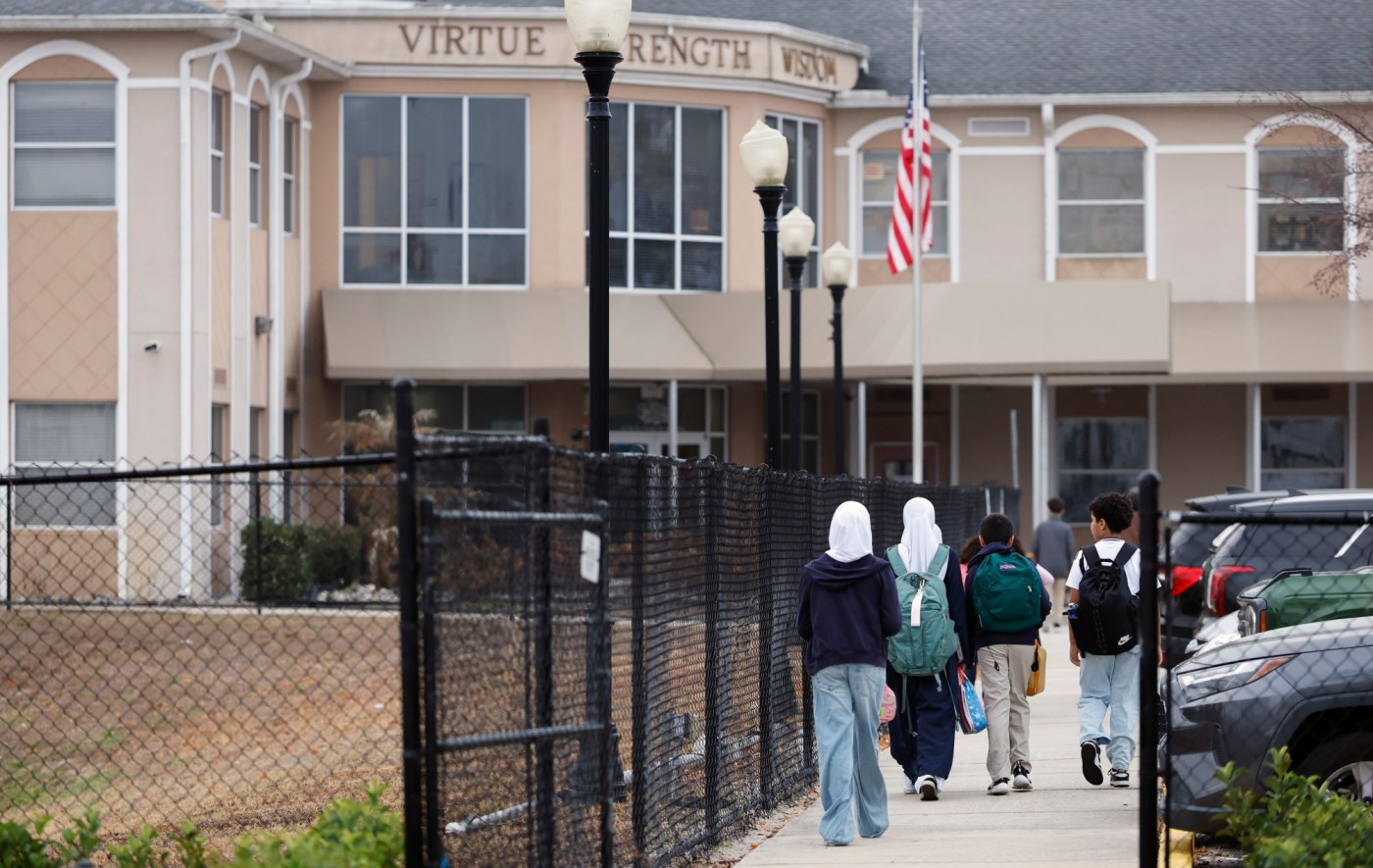
If enacted, the bill could result in significant repercussions for state-funded educational institutions. Colleges and universities that “advocate for” designated terrorist organizations may face withheld performance funding. Additionally, students promoting these groups could be expelled, and individuals working for state-designated organizations could face felony charges. Schools affiliated with these groups would be barred from receiving funds through the state’s voucher program, which currently supports nearly 2,500 private schools, of which approximately 1% are Islamic.
While the House approved the initial proposal on March 12, the Senate’s amendments mean that it must return to the House for final approval before being sent to Governor Ron DeSantis. A spokesperson for DeSantis refrained from commenting on his likelihood of signing the bill, stating, “The governor has not yet received this bill from the legislature. Once delivered to his office, he will review it in its final form.”
The Senate vote largely fell along party lines, with Republicans supporting the bill and two Miami Republicans, Alexis Calatayud and Ileana Garcia, joining Democrats in opposition. Sen. Jason Pizzo, who left the Democratic Party last year, voted in favor of the measure.
The mention of “sharia” law has sparked particular controversy. Sen. Tina Polsky, a Democrat from Boca Raton and an attorney, argued that American courts do not enforce religious or foreign laws, deeming that part of the bill unnecessary. Polsky raised concerns about the vagueness of the language used, suggesting it could lead to the targeting of nonprofit organizations and advocacy groups engaged in lawful activities.
“This bill lacks the precise definitions, due process protections, and First Amendment safeguards needed to prevent this abuse,” Polsky asserted, calling it a “dangerous, slippery slope” that could result in politically motivated enforcement.
Legal experts warn that the legislation could invite costly challenges in courts. Recently, a federal judge temporarily blocked an executive order from Governor DeSantis that designated two prominent Muslim groups, the Council on American-Islamic Relations and the Muslim Brotherhood, as foreign terrorist organizations. In his preliminary injunction, U.S. District Judge Mark E. Walker noted that the First Amendment prohibits the governor from making political statements that interfere with the constitutional rights of others.
Despite the judicial setback, Sen. Grall remained unfazed by the ruling, stating, “I am aware of the opinion that came out yesterday about the executive order, and I would note that there has been an injunction that has been in place for one of the organizations but not all, so there is an open question about what our governor will be able to do through executive order.”
Another proposal linked to the legislation would exempt records related to the designation of terrorist organizations from public disclosure. This measure also gained approval from both the House and the Senate, raising additional concerns about transparency and accountability.
As the legislative process continues, the implications of this bill for civil liberties and community relations in Florida remain a topic of heated debate.