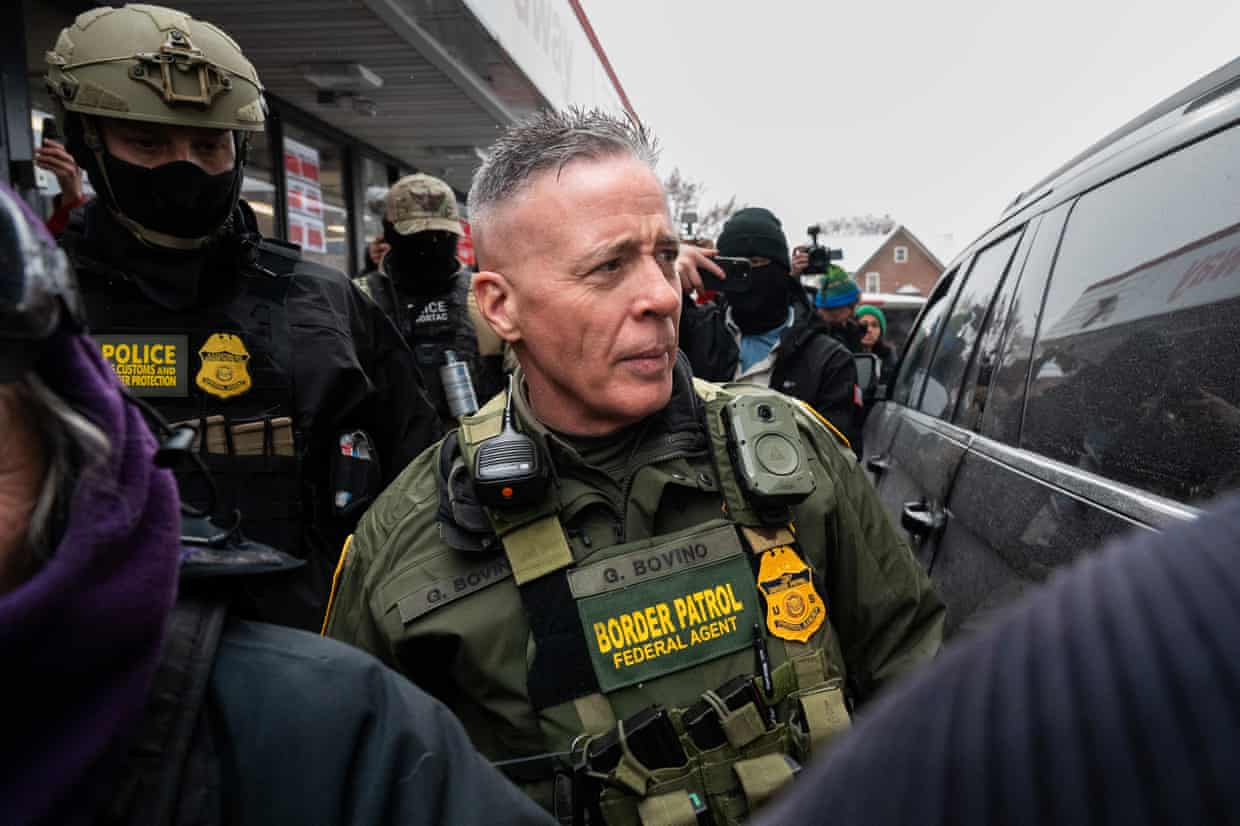
The political career of Gregory Bovino, a senior official in the U.S. Border Patrol, has faced a dramatic decline following backlash against his handling of immigration enforcement in Minneapolis. The controversy escalated after the fatal shooting of **Alex Pretti**, a 37-year-old American citizen, by border patrol officers. As criticism mounted, the **Department of Homeland Security** announced that Bovino would be removed from his role in Minneapolis, a significant shift given his previous prominence in the administration’s immigration policy.
Bovino’s rise within the U.S. Border Patrol has been marked by a series of contentious actions and statements. Initially gaining recognition for leading aggressive immigration crackdowns in cities such as **Los Angeles** and **Chicago**, he became a polarizing figure due to his confrontational approach. His comments following Pretti’s death, in which he insisted that Pretti had intended to “massacre law enforcement” agents, drew widespread condemnation and scrutiny as video evidence contradicted his claims.
Despite acknowledging that an investigation was underway, Bovino continued to label Pretti a “suspect,” asserting that he had placed himself in danger during the incident. On **March 4, 2024**, during an interview on **CNN’s State of the Union**, he stated, “The suspect put himself in that situation,” while ignoring evidence suggesting that Pretti was attempting to assist a woman in distress.
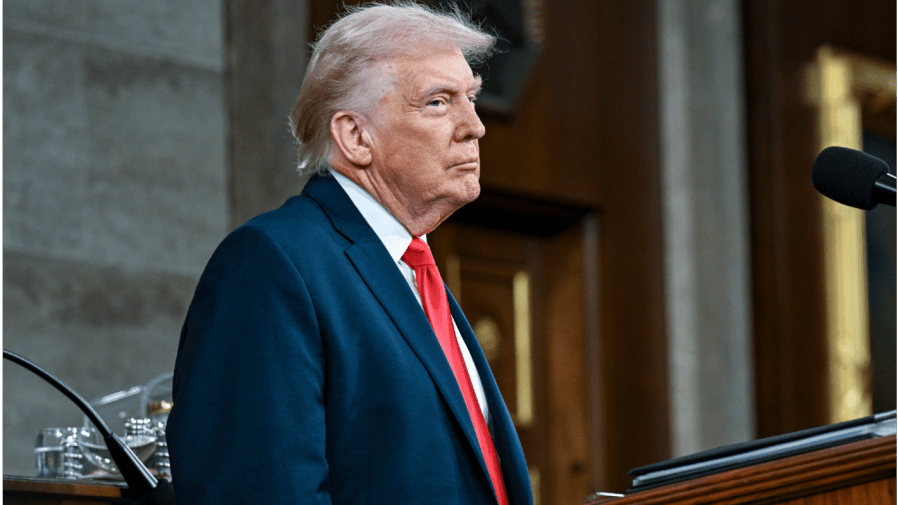
Bovino’s provocative statements and actions have not only fueled public outcry but have also led to his suspension from accessing his social media accounts, where he had often shared his staunch support for President **Donald Trump’s** anti-immigration agenda. This suspension signals a significant shift in the White House’s strategy as it seeks to navigate the fallout from Pretti’s shooting.
His tenure in Minneapolis was marked by further incendiary comments. After the detention of five-year-old **Liam Ramos**, Bovino controversially remarked that **Immigration and Customs Enforcement (ICE)** agents were “experts in dealing with children,” defending their actions as the best possible care available. This remark, alongside his earlier comments about the dangers posed by immigrants, underscores his contentious position within the administration.
Bovino’s past actions in **Los Angeles** exemplified his aggressive enforcement tactics, which included armed patrols that led to thousands of arrests, often based on minimal justifications. Critics have described these strategies as targeting individuals based solely on their appearance or language, rather than any legitimate criminal activity. In one instance, masked agents conducted raids in **MacArthur Park**, creating a climate of fear among communities.
His background and motivations have also come under scrutiny. Raised in **North Carolina**, Bovino’s family history reflects immigrant roots, as his great-grandparents immigrated from Italy. This heritage contrasts sharply with his nativist rhetoric, where he often invokes the concept of “Ma and Pa America” to justify his policies.
As Bovino’s influence wanes, former officials, including **Gil Kerlikowske**, who served as commissioner of Customs and Border Protection during the **Obama administration**, have voiced concerns about the appropriateness of deploying border patrol agents in urban environments. Kerlikowske remarked that “border patrol is trained and at their most effective on the border or within 25 miles of the border,” highlighting the need for specialized training to manage urban policing scenarios.
The unfolding situation in Minneapolis and the broader implications of Bovino’s actions reflect ongoing tensions surrounding immigration enforcement in the United States. As the administration attempts to recalibrate its approach amidst public outrage, the future of border enforcement remains a contentious and evolving issue.