Heavy flooding and landslides on the island of Sumatra have resulted in at least 883 confirmed deaths and over 500 individuals reported missing, according to Indonesia’s National Disaster Management Agency (BNPB). This devastating toll follows several days of intense rainfall that has caused rivers to overflow and triggered landslides across three provinces: Aceh, North Sumatra, and West Sumatra.
The BNPB’s latest reports indicate that 520 people remain unaccounted for, while approximately 4,200 individuals have sustained injuries. Aceh province has suffered the highest number of fatalities, with 345 deaths and 174 missing persons. In North Sumatra, officials confirm 312 deaths and 133 missing, while West Sumatra has reported 226 fatalities and 213 individuals still unaccounted for.
Rescue Efforts Hampered by Infrastructure Damage
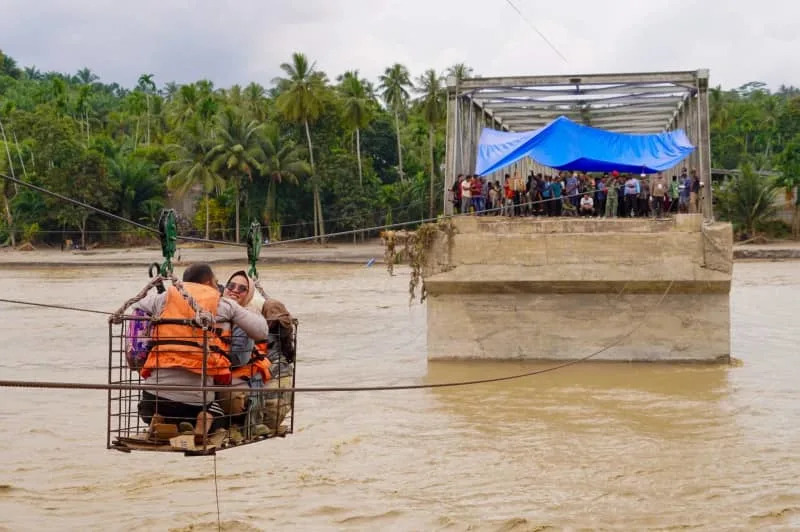
Rescue operations are being complicated by significant damage to transport infrastructure, including dozens of blocked roads and damaged bridges. Many affected villages have been without electricity, clean water, or telecommunications for days. The BNPB has warned that the death toll may continue to rise as rescue teams reach previously inaccessible areas.
Environmental groups have pointed to rapid deforestation and hillside development as contributing factors to the scale of the destruction. They argue that these issues have weakened local watersheds, making communities more susceptible to the impacts of heavy rainfall. Indonesia is no stranger to flooding and landslides during the monsoon season, but experts suggest that climate change is intensifying these weather events across the region.
The Indonesian government has mobilized military and police personnel alongside additional disaster-response teams to assist with recovery efforts in the affected provinces. The ongoing situation underscores the urgent need for effective disaster preparedness and environmental management strategies to mitigate future risks.