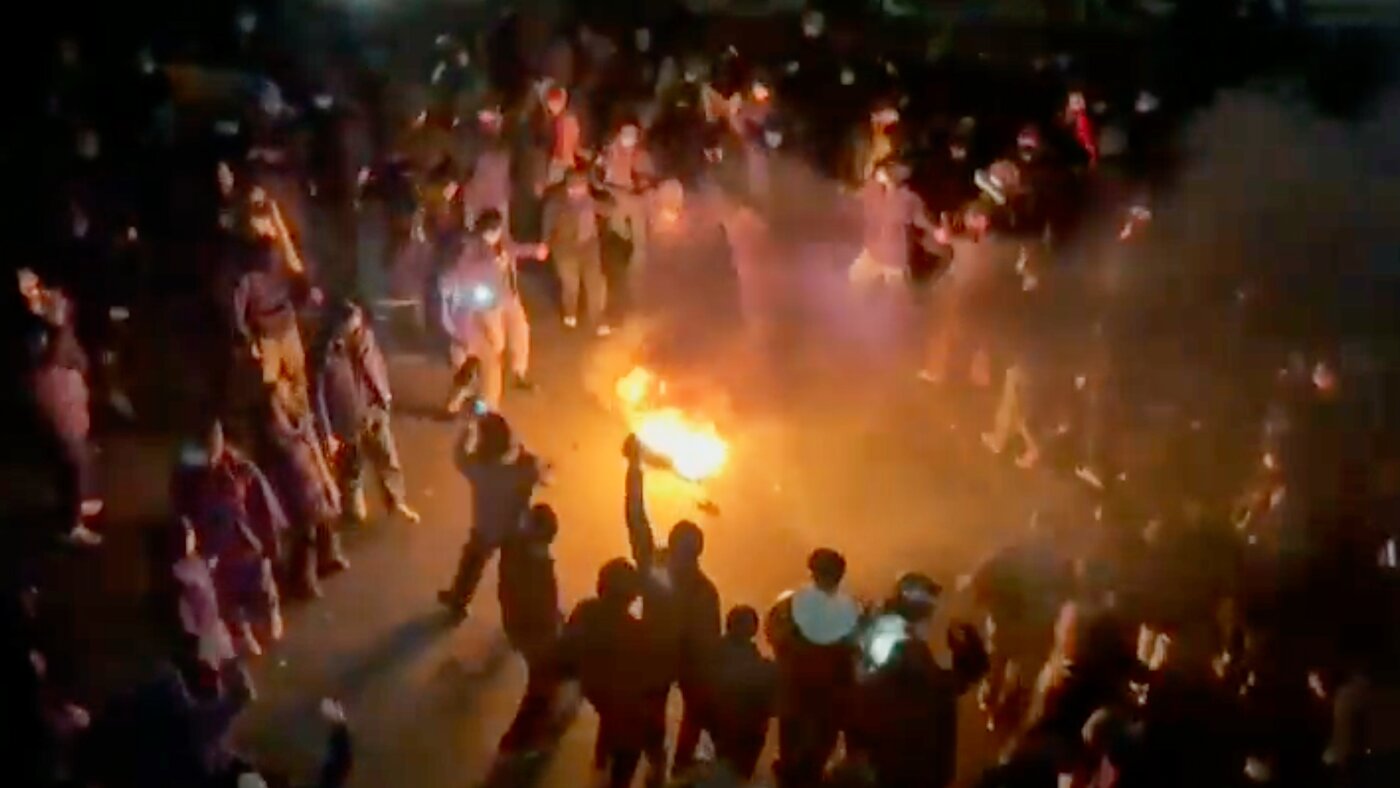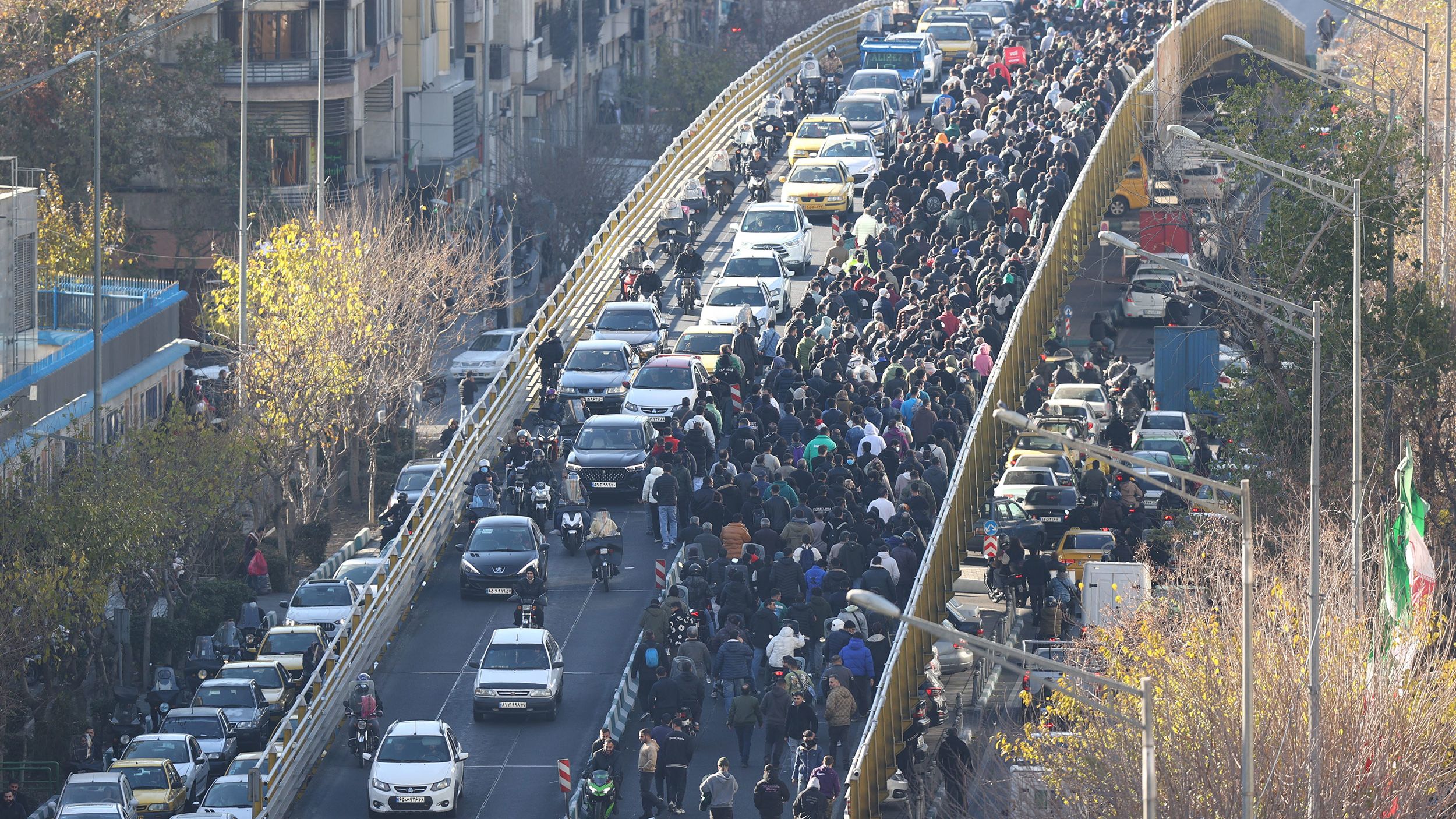
Iran has appointed a new governor for its central bank following significant unrest triggered by a steep decline in the value of its currency. On Wednesday, the Cabinet of President Masoud Pezeshkian announced that Abdolnasser Hemmati, a former economics minister, will take over the role at the Central Bank of the Islamic Republic of Iran. His appointment comes in the wake of widespread protests that erupted after the Iranian rial fell to a record low against the U.S. dollar.
Hemmati succeeds Mohammad Reza Farzin, who resigned on Monday, just one day into the protests that are among the largest seen in Iran in three years. The protests have been fueled by a staggering inflation rate of around 40%, which has led to rising dissatisfaction among the public as prices for essential goods have surged. On the day of Hemmati’s appointment, the dollar was trading at approximately 1.38 million rials, a dramatic increase from 430,000 rials in 2022 when Farzin assumed office.
Hemmati, 68, has previously held the position of Minister of Economic and Financial Affairs under Pezeshkian. His agenda will focus on controlling inflation and stabilizing the currency, alongside addressing the mismanagement of banks. The government’s spokeswoman, Fatemeh Mohajerani, shared these priorities on the social media platform X. However, Hemmati’s earlier tenure in government had been marred by controversy; he was dismissed by parliament in March amid allegations that his policies contributed to the rial’s decline.
The rapid depreciation of the currency, compounded by high inflation, has severely impacted the affordability of basic necessities, worsening the financial strain on households already affected by Western sanctions related to Iran’s nuclear program. The situation is anticipated to deteriorate further due to recent increases in gasoline prices.
Protests intensified over the weekend, with many traders and shopkeepers closing their businesses in the main bazaars of Tehran and other cities, including Shiraz and Kermanshah, to join the demonstrations. Local reports indicate that some protests have turned violent, prompting confrontations with law enforcement. In Fasa, a city in southern Iran, Hamed Ostevar, a judiciary official, reported that three policemen were injured when demonstrators stormed the governor’s office. He also confirmed that four protesters were arrested.
The Iranian government has responded firmly to the unrest. Mohammad Movahedi Azad, the Prosecutor General, cautioned against any attempts to exploit economic protests for political instability, vowing a strong reaction to such actions.
The economic turmoil in Iran is deeply rooted in past geopolitical events. At the time of the 2015 nuclear accord, which lifted many international sanctions in exchange for stricter controls on Iran’s nuclear activities, the currency was valued at around 32,000 rials to the dollar. However, the deal began to unravel in 2018 when former U.S. President Donald Trump withdrew the United States from the agreement, leading to renewed sanctions and exacerbating the current economic crisis.
As Iran navigates this turbulent period, the effectiveness of Hemmati’s leadership will be closely monitored, both by the Iranian populace and the international community.