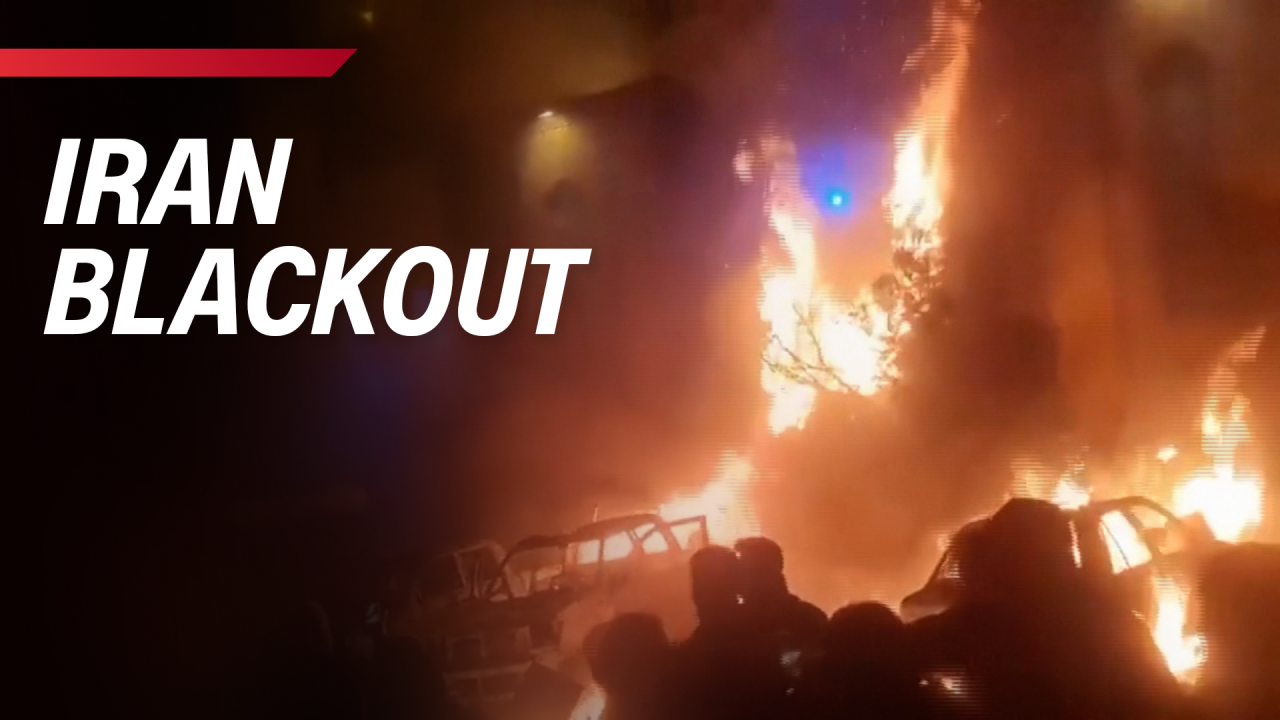
Protests in Iran have entered their second week, marked by a significant escalation in unrest and a government-imposed internet blackout that has now lasted over 36 hours. The blackout began on December 28, 2023, following widespread demonstrations against rising inflation and discontent with the ruling authorities. As protests continue to spread across the nation, the situation remains tense.
Reza Pahlavi, the son of Iran’s last Shah, has called for a two-day nationwide strike as a means to support the ongoing protests. In a video posted on social media platform X, Pahlavi urged workers in critical sectors, including transportation, oil, and gas, to participate in the strike starting Saturday. His appeal comes as demonstrators rally against the Iranian government, demanding reforms and accountability.
In his address, Pahlavi encouraged citizens to reclaim public spaces by taking to the streets with flags and national symbols. “The goal is to prepare to seize city centers and hold them,” he stated, asserting that recent protests have sent a powerful message to Iranian leadership. The level of support for Pahlavi within Iran remains uncertain, as he was only 16 years old when the 1979 Islamic Revolution ended his father’s 40-year reign.
As the protests persist, the impact of the internet blackout has been profound. According to watchdog organization NetBlocks, the blackout has significantly hampered Iranians’ ability to communicate and access information, limiting their capacity to verify the safety of friends and family amid the unrest. The organization reported on its Telegram channel that as of 08:00 AM local time, the blackout had entered its second day, adversely affecting connectivity throughout the country.
The protests, which initially erupted on December 28, have been fueled by widespread frustration over economic conditions, including soaring inflation. Demonstrators have expressed their anger not only at economic hardships but also at the government’s repressive tactics in dealing with dissent. The unrest in Tehran and other cities showcases a growing desire for change among Iranians struggling under the weight of economic challenges and political oppression.
The continuation of the internet blackout raises concerns about the government’s strategy to suppress the protests. As citizens remain vigilant and determined, the situation in Iran is developing rapidly, with many watching closely to see how the protests and subsequent government responses will unfold in the coming days.