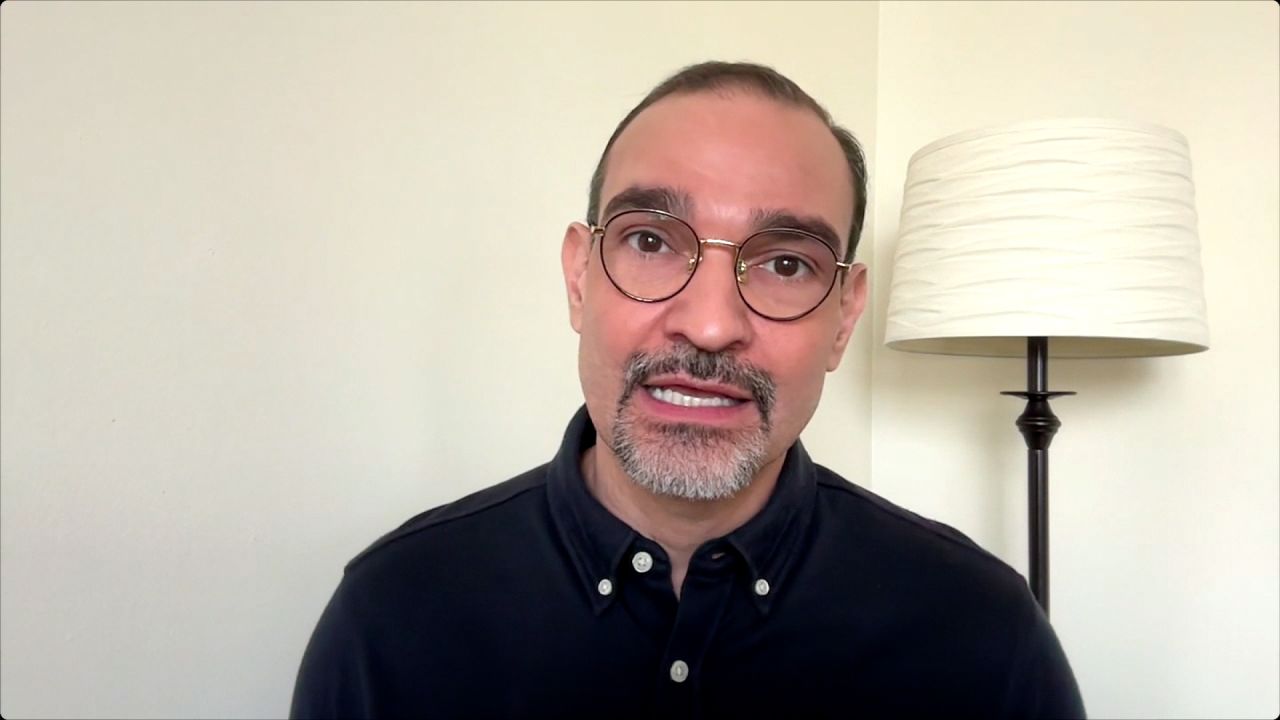
The Pentagon has ordered a pause on initial training for military recruits living with HIV, prompting strong criticism from HIV/AIDS activist and Broadway actor Javier Muñoz. In an interview with CNN correspondent Danny Freeman, Muñoz described the decision as a message “rooted in bigotry and discrimination” towards individuals affected by the virus.
This directive, announced in August 2023, has raised concerns among advocates for HIV-positive individuals, who argue that it perpetuates stigma and undermines the efforts to integrate all individuals into the military regardless of health status. Muñoz, who has been a vocal advocate for HIV awareness and rights, emphasized that such policies reflect outdated views about HIV/AIDS.
In his comments, Muñoz highlighted the importance of recognizing the capabilities of individuals living with HIV. He pointed out that advancements in medical treatments have significantly changed the landscape for those affected by the virus, allowing them to lead healthy lives and serve in various capacities, including the military. “It is about time we move past the fear and stigma associated with this virus,” he stated.
The Pentagon’s decision marks a significant moment in the ongoing conversation about inclusivity within the armed forces. Critics argue that the military should focus on the skills and qualifications of recruits rather than their health status. Many see the pause as a setback for equality, particularly in an era when discussions about diversity and inclusion are at the forefront of national discourse.
Advocates for people living with HIV have long campaigned for policy changes that reflect the current understanding of the virus. They argue that with appropriate medical care, individuals with HIV can serve effectively without posing risks to themselves or others. The military’s stance, according to Muñoz and others, fails to recognize these advancements and sends a regressive message.
The implications of this policy extend beyond military training. The decision could impact recruitment efforts and the public perception of the military, as advocates continue to push for a more inclusive environment. There is concern that such policies may deter potential recruits who might otherwise consider a career in the armed forces.
As discussions unfold, Muñoz and other activists are calling for a reevaluation of military policies regarding HIV-positive individuals. They stress the need for the military to align its practices with modern medical knowledge and societal values that embrace diversity and inclusion.
The ongoing debate around this issue reflects broader challenges related to health, equality, and representation in various sectors. With the military’s decision now under scrutiny, it remains to be seen how leadership will respond to calls for change and what steps will be taken to address the concerns raised by Muñoz and others in the community.