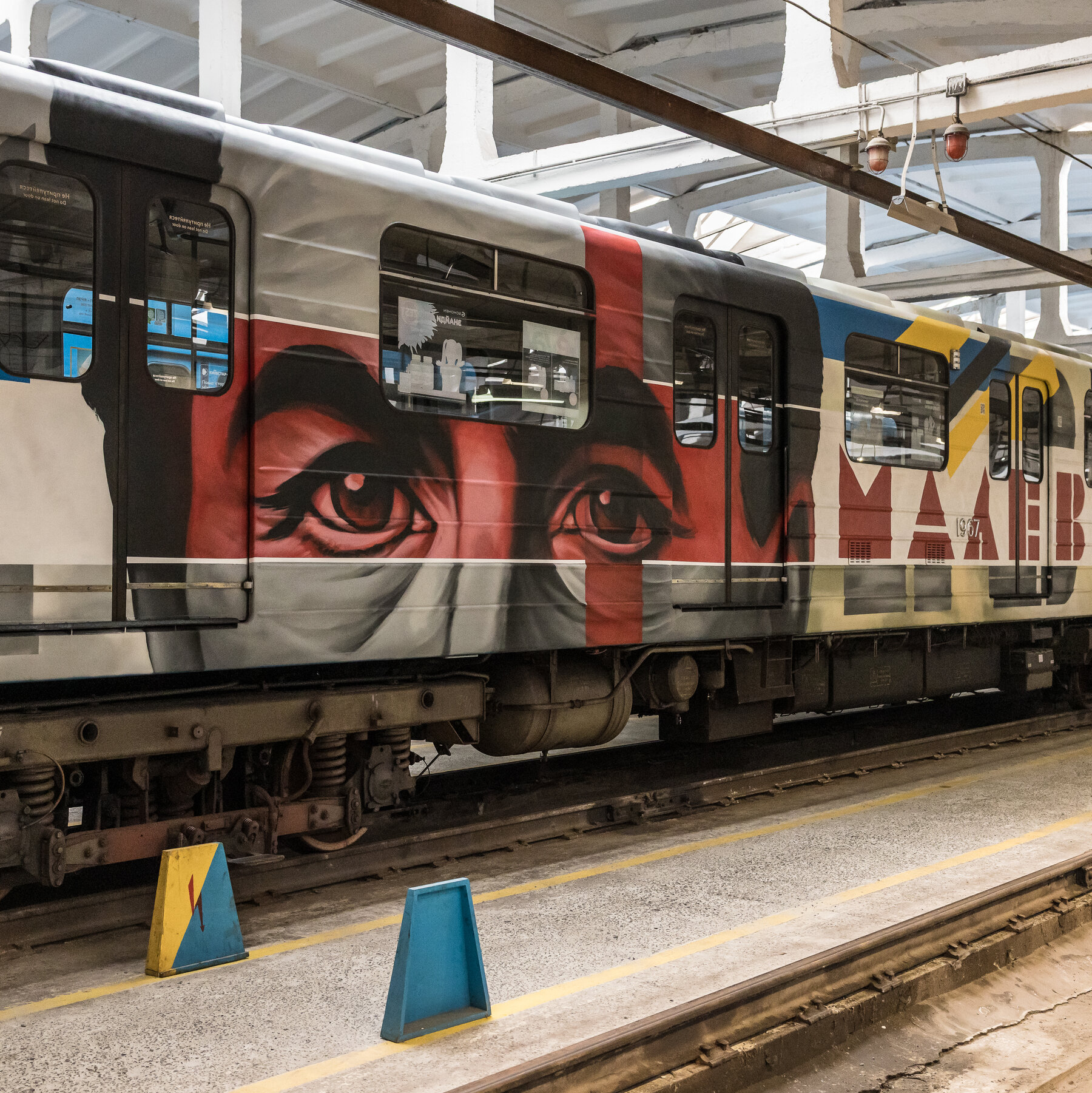
Kyiv is actively reaffirming the Ukrainian heritage of renowned avant-garde painter Kazimir Malevich as part of its broader strategy to counter Moscow’s cultural dominance. This initiative comes in the context of ongoing conflict between Ukraine and Russia, with cultural identity becoming a significant battleground.
Born in 1879 in what is now Ukraine, Malevich achieved international fame for his groundbreaking contributions to the art world, particularly through his development of the Suprematism movement. His most famous work, “Black Square,” is often hailed as a pivotal piece in modern art history. However, the Russian narrative has historically overshadowed Malevich’s Ukrainian roots, a situation Kyiv is now determined to change.
Reclaiming Cultural Identity
The Ukrainian government and various cultural institutions are taking steps to highlight Malevich’s contributions to Ukrainian culture. The National Museum of Art of Ukraine and the Taras Shevchenko National University of Kyiv are at the forefront of these efforts, organizing exhibitions and educational programs that emphasize his Ukrainian background.
In a recent exhibition, the museum showcased not only Malevich’s works but also explored his early life in Ukraine. The aim is to foster a deeper understanding of his artistic evolution and the impact of his Ukrainian heritage on his art. This initiative has garnered support from art historians and cultural leaders who believe that reclaiming Malevich’s identity is essential for Ukraine’s cultural narrative, especially in light of the current geopolitical tensions.
The Role of International Institutions
Efforts to promote Malevich’s Ukrainian identity have also attracted the attention of international bodies. UNESCO, the United Nations Educational, Scientific and Cultural Organization, has recognized the importance of preserving cultural heritage in times of conflict. As Ukraine seeks to distance itself from Russian cultural influences, the support from such organizations can provide vital resources and visibility.
Cultural diplomacy is becoming increasingly significant, as Ukraine leverages its artistic heritage to strengthen its national identity. By emphasizing figures like Malevich, Ukraine aims to reinforce its position on the global stage and counteract narratives that undermine its cultural contributions.
The renewed focus on Malevich reflects a larger trend within Ukraine to reclaim and celebrate its cultural icons. This movement is not merely about art; it is about defining a national identity that stands strong against external pressures. As the conflict continues, the importance of culture in shaping national perception and unity becomes ever more apparent.
Kyiv’s efforts to highlight Kazimir Malevich’s Ukrainian roots are emblematic of a broader struggle for cultural recognition. This initiative underscores the role of art in national identity, especially in times of conflict, and illustrates how cultural figures can serve as symbols of resilience and heritage.