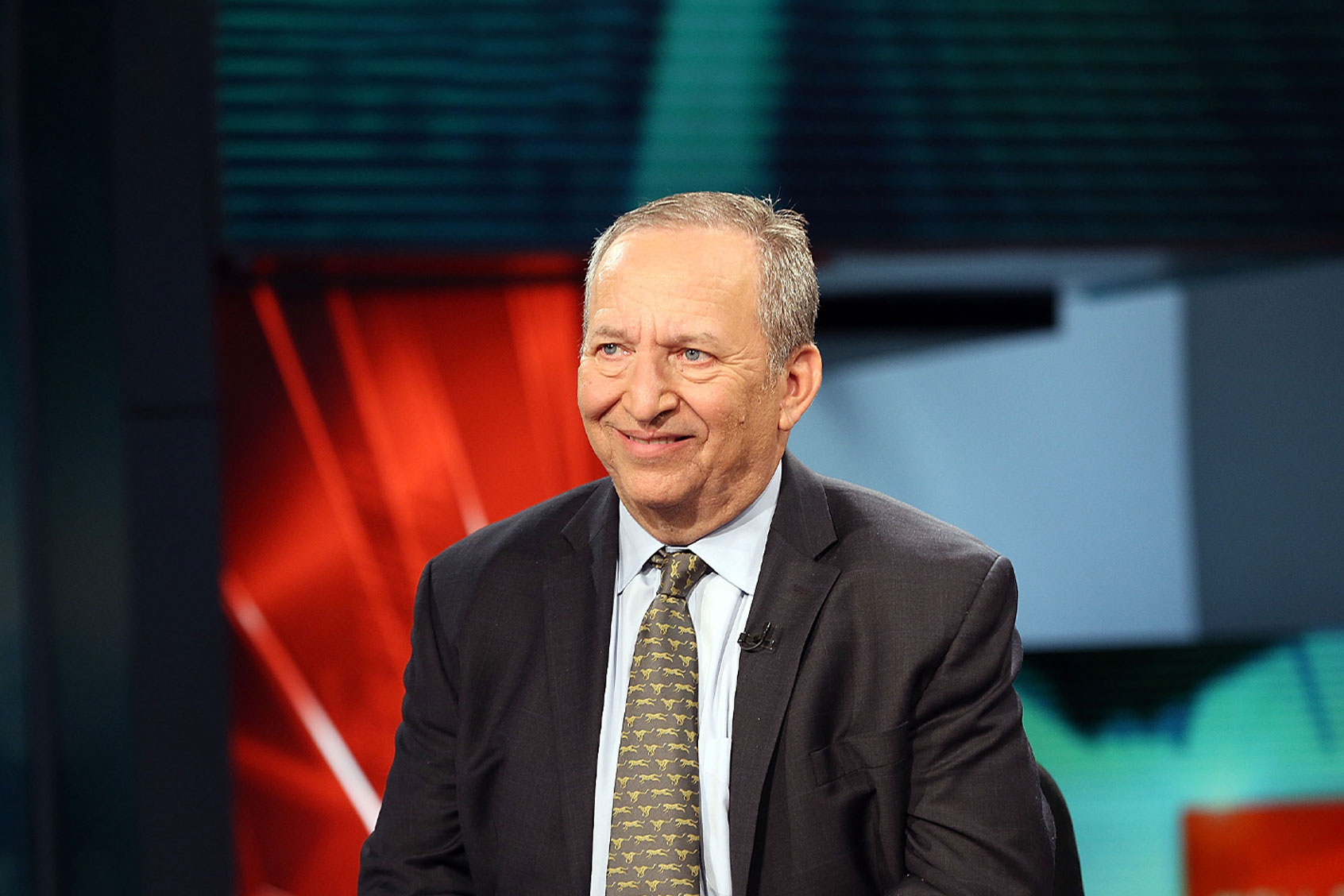
Economist Larry Summers will step down from his tenured position at Harvard University following a controversy surrounding his connections to the late convicted sex offender Jeffrey Epstein. The announcement, made on February 25, 2026, marks the conclusion of Summers’ tenure at Harvard, as he transitions to the honorary title of president emeritus at the end of the 2025-26 academic year.
This decision comes after an investigation initiated by Harvard in November 2025, which scrutinized Summers and other faculty members regarding their interactions with Epstein, particularly in relation to the university’s guidelines on accepting gifts. A spokesperson for Harvard confirmed that Summers’ resignation is linked to this ongoing inquiry.
Despite calls from students for Harvard to revoke Summers’ tenure, he maintained his academic appointments until this voluntary retirement. This situation is not unfamiliar; Summers faced criticism in 2005 for derogatory remarks about women in science, which contributed to his resignation as Harvard’s president in 2006.
In a statement released alongside his resignation, Summers expressed his intention to focus on research and commentary related to global economic issues, stating, “Free of formal responsibility, as President Emeritus and a retired professor, I look forward in time to engaging in research, analysis, and commentary on a range of global economic issues.”
Controversial History and Epstein Connections
Summers’ history of public controversy is extensive, dating back to 1991, when his memo during his tenure as chief economist at the World Bank suggested sending toxic waste to poorer countries. The recent release of over 20,000 documents from Epstein’s estate in November 2025 included troubling exchanges between Summers and Epstein, revealing that Summers sought Epstein’s advice while maintaining an inappropriate relationship with a woman he was mentoring.
Critically, Summers was named a backup executor of Epstein’s estate in 2014, further complicating his professional legacy. The Department of Justice’s release of additional documents in January 2026 has yet to yield new revelations about Summers, but the existing evidence has already impacted his career significantly.
Following the release of the Epstein documents, Summers took a leave of absence from teaching at Harvard on November 19, 2025, and stepped back from various boards. Despite the investigation, Harvard did not take immediate action to discipline Summers, a decision some observers interpret as an effort to protect institutional interests and donor relationships.
In contrast, the American Economic Association (AEA) acted swiftly, issuing a lifetime ban on Summers from all its conferences and activities on December 2, 2025. This decisive move highlights a growing willingness among professional organizations to confront misconduct, particularly in light of the high-profile Epstein case.
Wider Implications for Academia
Harvard’s handling of the Summers situation reflects a broader issue among prestigious institutions grappling with their connections to Epstein and the implications of donor influence. Other universities, including Duke, Yale, and Columbia, have also faced scrutiny over their ties to Epstein.
As universities increasingly rely on wealthy donors for funding, the relationship between financial support and ethical responsibility has come under intense examination. The Epstein documents reveal extensive communications between Epstein and various academics regarding research and funding, illustrating how deeply he embedded himself in academic circles.
Concerns regarding gender bias in economics, particularly in relation to Summers’ behavior, point to systemic issues within the profession. Research indicates that abuse of power is prevalent among male economists, with a survey conducted by the AEA in 2019 revealing that nearly half of female respondents reported experiencing sexual discrimination within the field.
The implications of these findings extend beyond individual cases, affecting the diversity of perspectives that inform economic policy. The underrepresentation of women in influential academic positions exacerbates these issues, highlighting the need for profound systemic change.
Allowing Summers to retire with an honorary title raises questions about accountability in higher education. Critics argue that it sends a troubling message that powerful individuals can evade consequences for their actions. As institutions strive to confront abuses of power, it is essential that they demonstrate a commitment to transparency and accountability.
The ongoing investigation and the responses from both Harvard and the broader academic community will likely shape the future discourse around ethics and accountability in higher education.