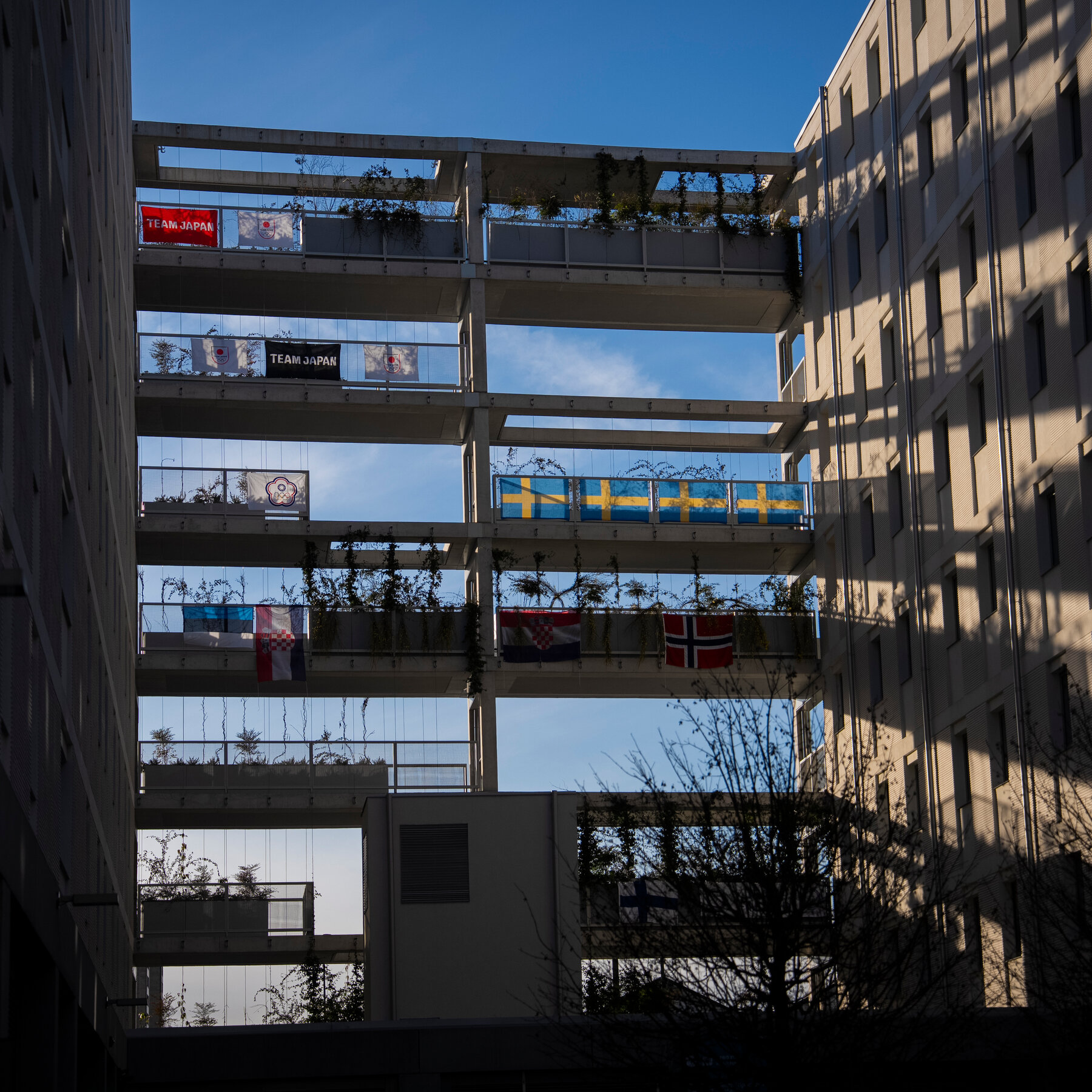
Milan is set to transform its Olympic Village into a potential solution for the city’s escalating affordable housing crisis. Scheduled to open its doors in September 2024, the facility will initially serve as accommodation for athletes during the upcoming international sporting event. Following the games, the village aims to accommodate students, albeit those who can manage the associated rental costs.
The Olympic Village is designed to offer more than just basic living quarters. It features a variety of amenities, including a video game lounge, a massage room, and multiple dining options to ensure a comfortable living experience for its residents. The Italian government hopes that by repurposing this facility, it can alleviate some of the pressure on Milan’s housing market, which has seen prices soar in recent years.
As the city prepares for the influx of visitors and athletes, the demand for affordable housing has become increasingly urgent. According to a recent report by the OECD, Milan ranks among the most expensive cities in Italy, with rental prices climbing significantly over the past decade. The average monthly rent for a one-bedroom apartment in the city now exceeds €1,200, posing a significant challenge for students and low-income residents.
The Olympic Village’s transition to student housing is a strategic move, but it raises questions about accessibility. While the village aims to provide modern facilities, the affordability of rent remains a critical concern. A representative from the city council stated, “While we strive to offer quality accommodation, we must ensure that it is within reach for those who need it most.”
In response to the housing crisis, local government officials are exploring various avenues to enhance affordability. They are considering policies that promote the development of more public housing projects and incentivize private developers to include affordable units in their plans. The goal is to ensure that all residents can secure suitable housing without straining their finances.
As the opening date approaches, community leaders and residents await concrete details on rental prices and eligibility criteria for future tenants. The success of the Olympic Village in addressing Milan’s affordable housing crisis could serve as a model for other cities facing similar challenges.
In conclusion, while the Olympic Village offers a promising opportunity to tackle the accommodation issue in Milan, its success will ultimately depend on the delicate balance between providing quality living spaces and maintaining affordability for those who need it most. With the spotlight on Milan during the upcoming Olympic Games, the decisions made now could have lasting implications for the city’s housing landscape.