The Labour Party is facing significant internal debate after Minister Douglas Alexander defended the decision to block Andy Burnham from participating in an upcoming byelection in Greater Manchester. This move aims to prevent what Alexander describes as an “unnecessary” contest for the mayoral position, which could strain the party’s resources.
In a statement released on October 15, 2023, Alexander emphasized that a campaign in Greater Manchester would have “a substantial and disproportionate impact” on the party’s operational capabilities. He articulated concerns that diverting resources to support Burnham’s candidacy would undermine the Labour Party’s broader objectives, particularly in the lead-up to national elections.
Alexander’s comments come as the Labour Party prepares for several key contests in various regions. The decision to limit Burnham’s involvement has drawn criticism from some party members who argue that it undermines democratic principles within the party. Critics contend that Burnham’s popularity and experience as the current mayor could bolster the party’s standing in the region.
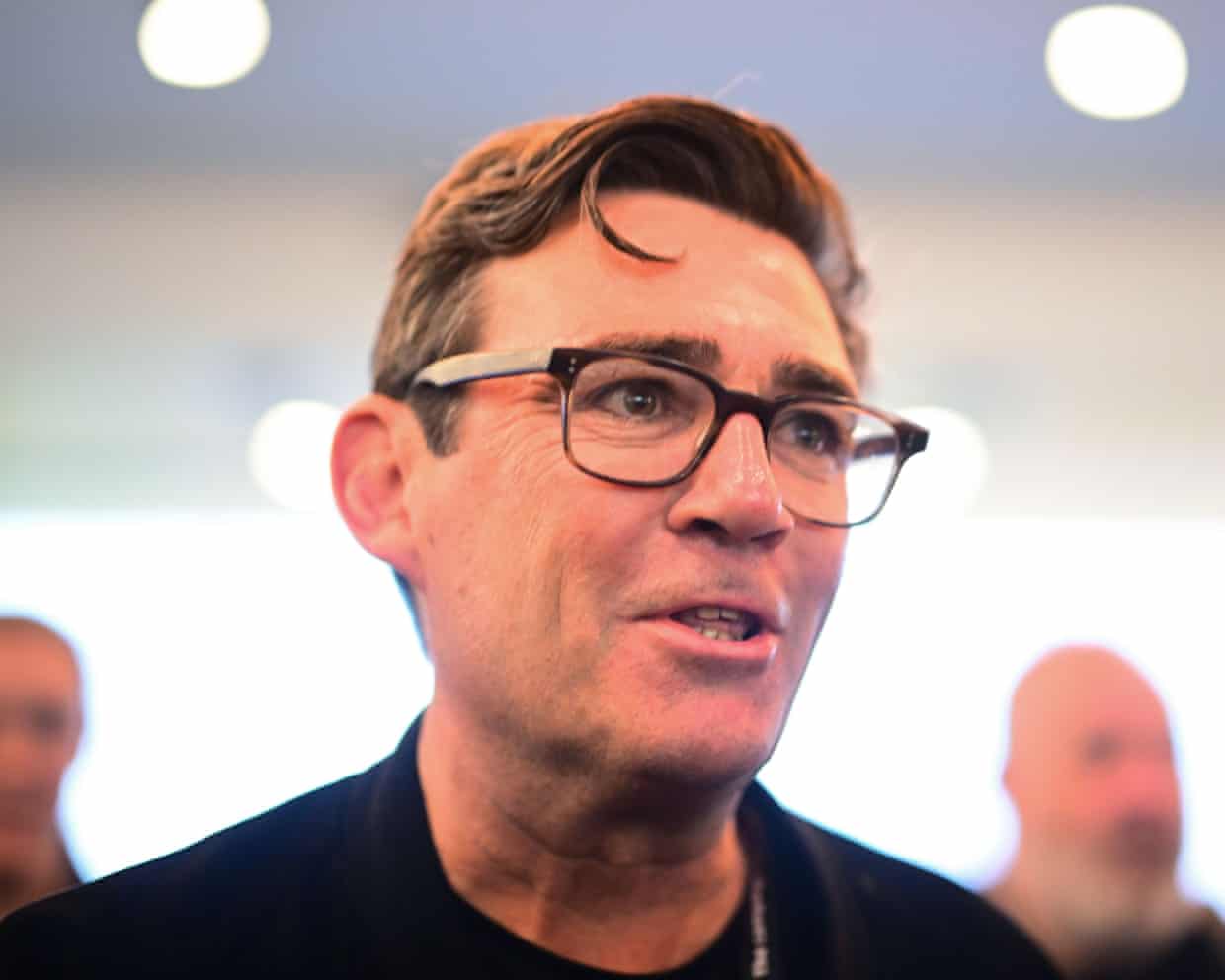
Burnham, who has previously expressed interest in remaining a central figure in Greater Manchester politics, has yet to respond publicly to Alexander’s remarks. His supporters are voicing concerns about the implications of this decision, suggesting it reflects a larger trend of centralization within the party leadership.
As the situation develops, party members are closely monitoring the reactions from constituents in Greater Manchester. The byelection is expected to serve as a litmus test for the Labour Party’s strategy and its ability to mobilize support in key areas.
The Labour Party, which has faced challenges in recent years, is keen to maintain its influence in Greater Manchester. The region has traditionally been a stronghold for the party, and the outcome of this byelection could significantly impact its future direction.
In light of these developments, political analysts are weighing the potential ramifications for the Labour Party. The decision to block a prominent figure like Burnham could either consolidate power within the party’s leadership or risk alienating grassroots support.
As the byelection date approaches, all eyes will be on the Labour Party’s strategy and its ability to navigate this internal conflict while appealing to voters in Greater Manchester. With significant resources at stake, the stakes are high for both the party leadership and its members.