In the West Bank, Israeli Prime Minister Benjamin Netanyahu is taking bold actions that directly challenge U.S. foreign policy, particularly the stance of President Donald Trump. As tensions escalate, many observers are voicing concerns that the U.S. administration needs to respond promptly to prevent further complications in the region.
Netanyahu’s recent decisions regarding settlement expansions and military operations indicate a strategic maneuver that could outpace U.S. efforts in addressing the ongoing conflict in Gaza. The Israeli government has intensified its presence in the West Bank, which undermines the U.S. attempts to facilitate a peace process between Israel and the Palestinian Authority.
Implications of Israeli Actions
The Israeli government’s actions come at a critical time, as the U.S. administration is attempting to mediate a resolution to the conflict. If Netanyahu continues on this trajectory without significant intervention from Washington, analysts warn that it could derail the U.S.’s diplomatic efforts. The ramifications of this could extend beyond the immediate region, affecting U.S. relationships with other Middle Eastern countries.
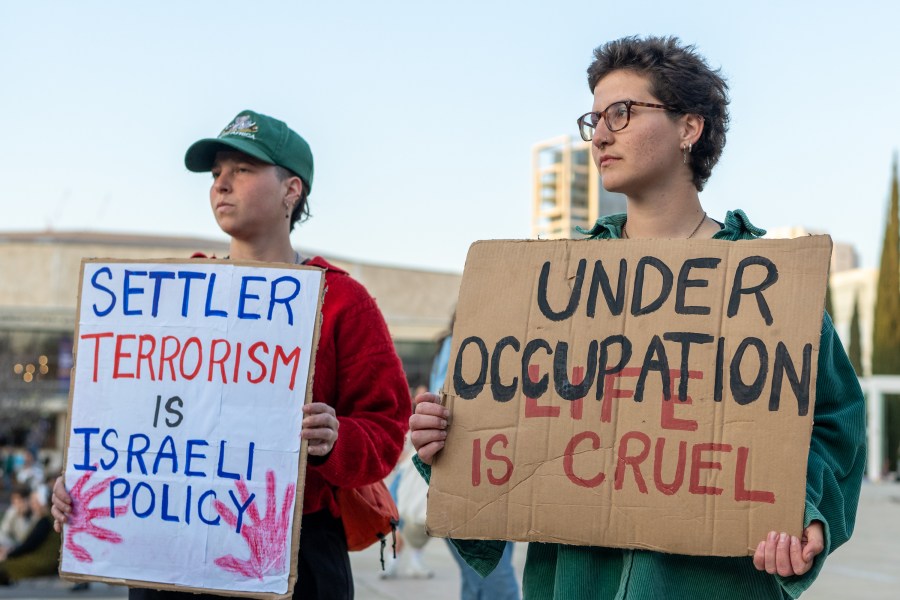
Recent reports indicate a marked increase in tensions between Israeli forces and Palestinian communities. The situation has led to protests and confrontations, further complicating any potential dialogue that could lead to peace. As of the end of March 2024, the number of incidents in the West Bank has reportedly surged by over 30% compared to previous months, raising alarms among human rights organizations.
The Palestinian Authority has expressed frustration over what it views as a lack of support from the U.S. The PA’s leadership is calling for a renewed focus on negotiations, emphasizing the need for international intervention to stabilize the situation. Without a strong U.S. position, there is a growing fear that the conflict will intensify, leading to further violence and instability.
Need for U.S. Response
The urgency for a cohesive U.S. response cannot be understated. Experts suggest that a failure to act decisively could allow Netanyahu to fortify his policies, effectively sidelining U.S. interests in the region. Historical context plays a significant role, as previous administrations have often struggled to balance support for Israel with the pursuit of a fair resolution for the Palestinian people.
The U.S. administration’s silence on these developments may be interpreted as acquiescence, emboldening Netanyahu’s government to pursue its agenda without restraint. This evolving dynamic raises critical questions about the future of U.S. influence in the Middle East and the prospect for peace.
In conclusion, the situation in the West Bank remains precarious. With Donald Trump facing various domestic challenges, the administration must navigate this complex landscape carefully. The coming weeks will be pivotal in determining whether the U.S. can regain its footing in the region or if Israel, under Netanyahu’s leadership, will continue to dictate the terms of engagement.