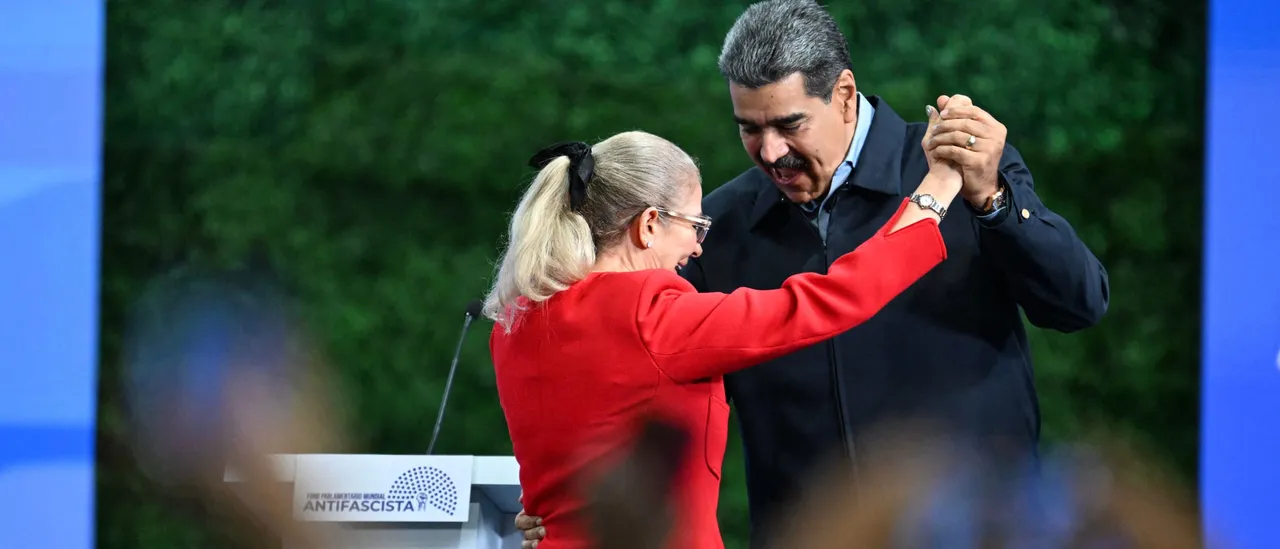
A recent indictment has unveiled serious allegations against former Venezuelan leader Nicolás Maduro, claiming he orchestrated a widespread drug-trafficking operation that fostered a culture of corruption extending throughout Latin America and into the United States. The indictment, released on March 15, 2024, by the Southern District of New York, charges Maduro, his wife Cilia Flores, their son Nicolás Maduro Guerra, and several associates with multiple offenses, including narco-terrorism conspiracy.
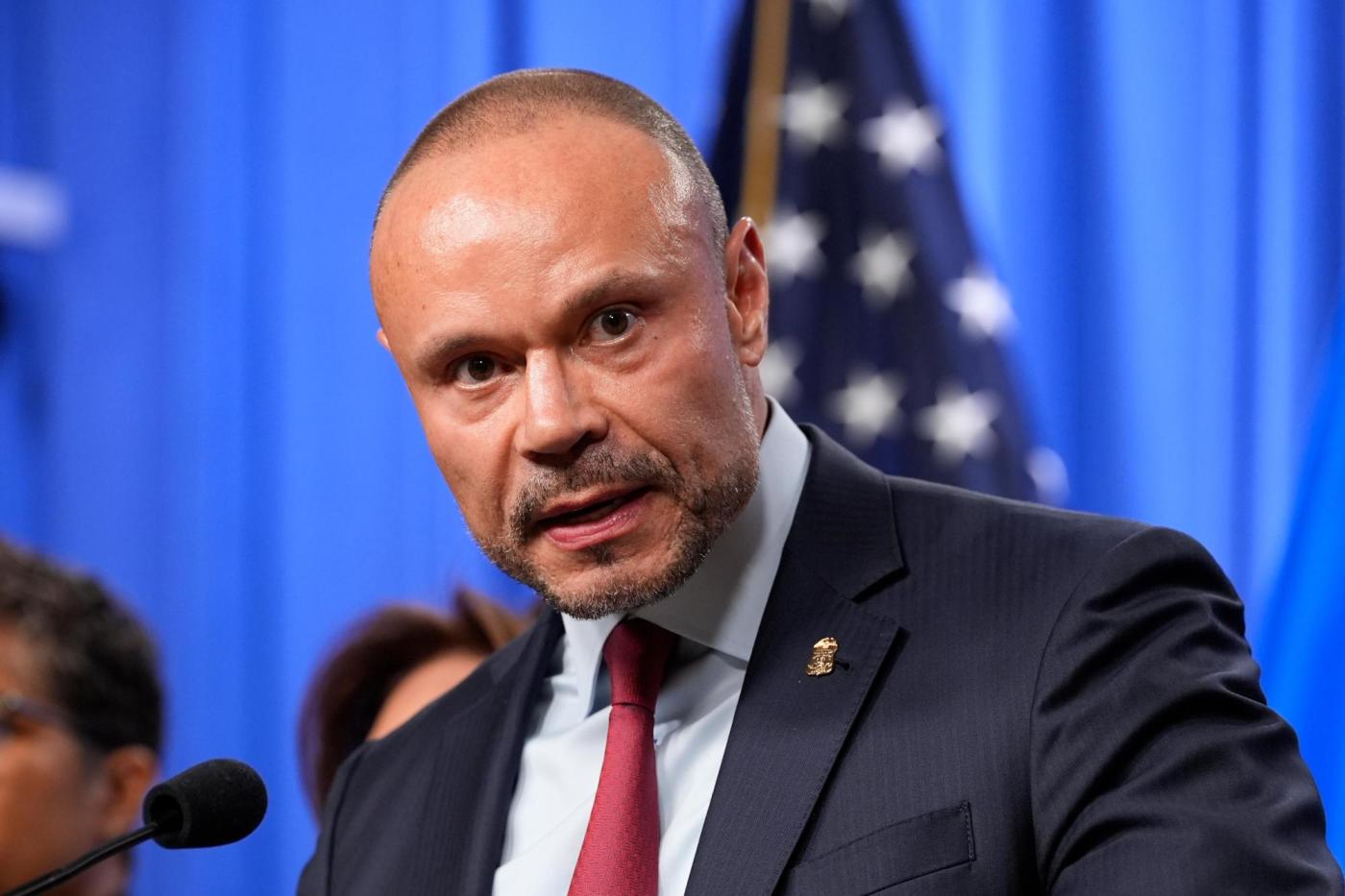
The announcement came shortly after President Donald Trump confirmed Maduro’s removal from power. Pam Bondi, the Attorney General, stated that the indicted individuals would soon face prosecution in the United States, emphasizing the government’s commitment to addressing such high-level corruption.
According to the 25-page indictment, a grand jury found that Maduro and members of his regime facilitated drug trafficking and corruption throughout the region, particularly empowering notorious criminal organizations such as the Tren de Aragua (TdA) and the Cartel de Los Soles. This cartel, described as a “Foreign Terrorist Organization” by the U.S. Department of State in November 2025, consists of high-ranking officials who have allegedly enriched themselves through illegal narcotics operations.
Allegations of a Corruption Network
The indictment details how Maduro’s administration created a system where drug traffickers could operate with impunity. It asserts that the profits from narcotics sales enriched not just the political elite, but also civilian, military, and intelligence officials within Venezuela. The document refers to a “patronage system” that has entrenched corruption at all levels of governance, with the Cartel de Los Soles serving as a focal point of this illicit network.
In addition to Maduro and Flores, the indictment names other significant figures, including Niño Guerrero, the leader of the TdA, and prominent members of the United Socialist Party, Diosdado Cabello Rondón and Ramón Rodríguez Chacín. The indictment characterizes Maduro as a protector of a corrupt regime, continuing the legacy of former President Hugo Chávez.
The indictment highlights Venezuela’s strategic geographic location, which has made it a prime transit point for drug trafficking. Estimates indicate that between 200 and 250 tons of cocaine were trafficked through the country annually around 2020. The indictment alleges that Maduro and his allies partnered with drug cartels and narco-terrorist groups to transport cocaine from Venezuela to the United States via Caribbean and Central American routes, including Honduras and Guatemala.
Implications for Regional Security
The investigation underscores the alarming implications of this corruption for regional security. The indictment claims that Maduro’s regime not only enabled drug trafficking but also empowered violent narco-terrorist groups, such as the Revolutionary Armed Forces of Colombia (FARC) and the National Liberation Army (ELN), as well as major Mexican syndicates like the Sinaloa Cartel and Los Zetas.
Additionally, it alleges that Maduro Guerra played a key role in drug operations, reportedly engaging in discussions about shipping cocaine to various locations, including New York, and coordinating large shipments of narcotics. His position as a member of his father’s political party and a Deputy to the Venezuelan National Assembly since 2021 has raised serious questions about the interplay between politics and organized crime in Venezuela.
This indictment represents a significant step in the U.S. government’s ongoing efforts to combat drug trafficking and corruption in Latin America. The situation remains fluid, with the potential for further developments as the case proceeds through the judicial system.