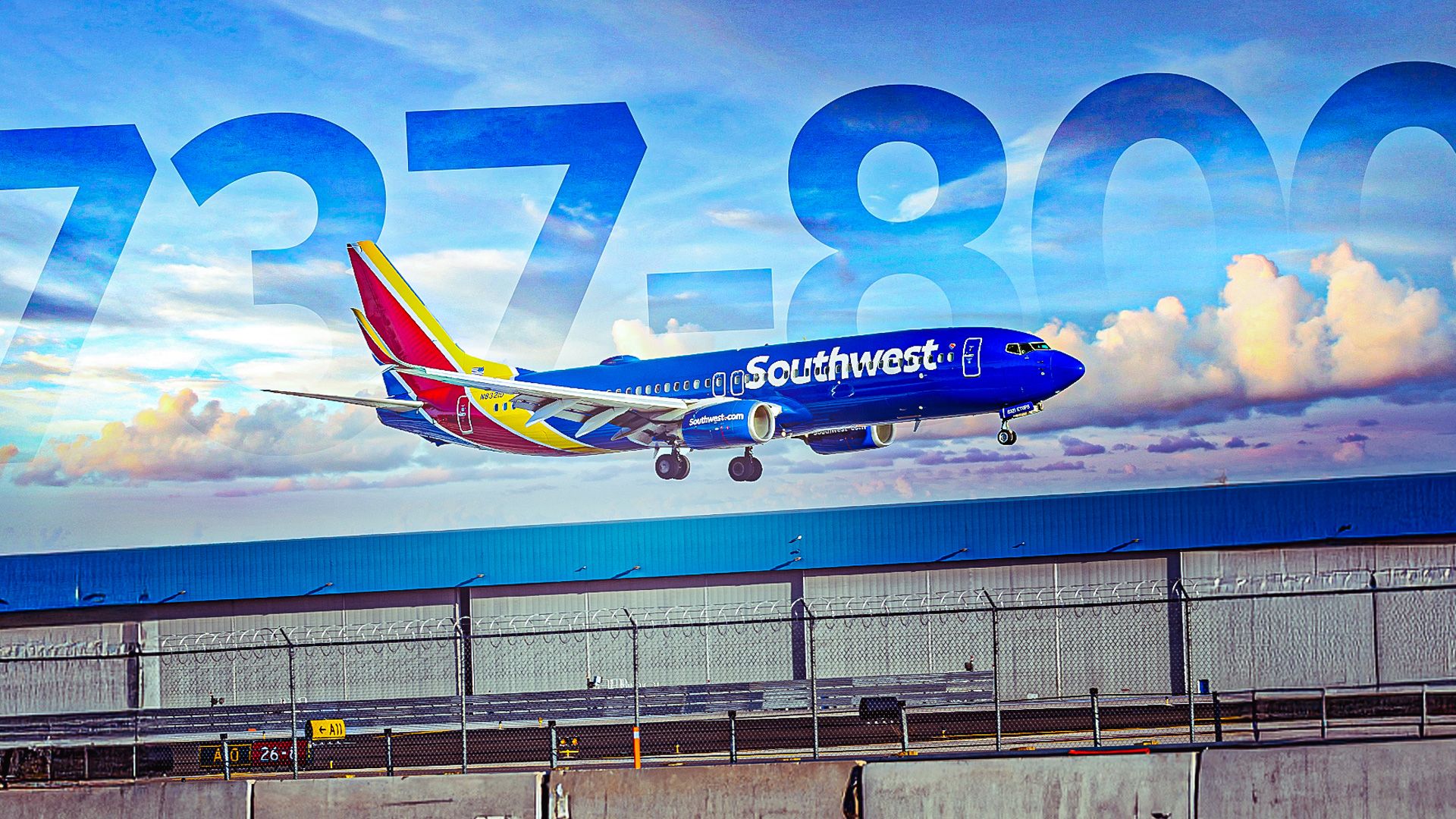
On March 20, 2025, a significant incident occurred at Orlando International Airport (MCO) when a Southwest Airlines Boeing 737-800 began its takeoff roll from a taxiway instead of the designated runway. Fortunately, the flight was aborted before takeoff, and the aircraft returned safely to the apron, carrying all 152 passengers and six crew members without injury. The National Transportation Safety Board (NTSB) has since determined that pilot error was the primary cause of the incident.
The aircraft, identified as Southwest Airlines Flight 3278, was destined for Albany, New York (ALB) when it mistakenly initiated takeoff from taxiway H2, which runs parallel to runway 17R. Air traffic control noticed the aircraft’s error as it began to power up and promptly revoked its takeoff clearance. This prompt action allowed the crew to reject the takeoff in time, averting a potential disaster during one of the busiest travel periods of the year, particularly with spring break travelers flocking to Florida.
In the final report released on December 11, the NTSB, in collaboration with the Federal Aviation Administration (FAA), cited the captain’s failure to recognize the aircraft’s location as a critical factor. According to the report, the captain “missed several cues” that indicated he was not on the assigned departure runway.
Details of the Incident
During the investigation, the captain provided his account of the incident, noting that after receiving takeoff clearance, he mistakenly turned onto the taxiway instead of the runway. Despite seeing the sign for 17R, he failed to recognize that he was on the taxiway. Focused on completing the pre-takeoff checklist, the captain overlooked key visual indicators, including the clear difference in surface between the taxiway and the runway.
Investigators found that the captain did not verify the painted runway numbers, claiming he could not see them from the cockpit. Instead, he relied on lighting conditions and the aircraft’s navigation display to guide his movements. The confusion was exacerbated by the taxiway’s parallel alignment with the runway, which misled the crew into believing they were on the correct path.
Failure to Follow Procedures
The NTSB’s investigation revealed that the captain did not adhere to Southwest Airlines’ standard operating procedures (SOP). These procedures require pilots to utilize various references to confirm their position before takeoff. Key references include aircraft heading indicators, navigation displays, runway signage, and runway lighting.
The captain’s failure to notice the yellow painted centerline and the distinct surface difference between the taxiway and the runway significantly contributed to the near-mishap. Additionally, the first officer was distracted by the captain’s request for checklist confirmations while the aircraft was taxiing, which further contravened established SOPs.
Despite the incident ending without injuries or damage, it highlights the critical importance of adherence to established protocols in aviation. As Southwest Airlines continues to operate under a unique model that prioritizes affordable service across domestic routes, this incident serves as a reminder of the potential dangers when standard procedures are not followed.