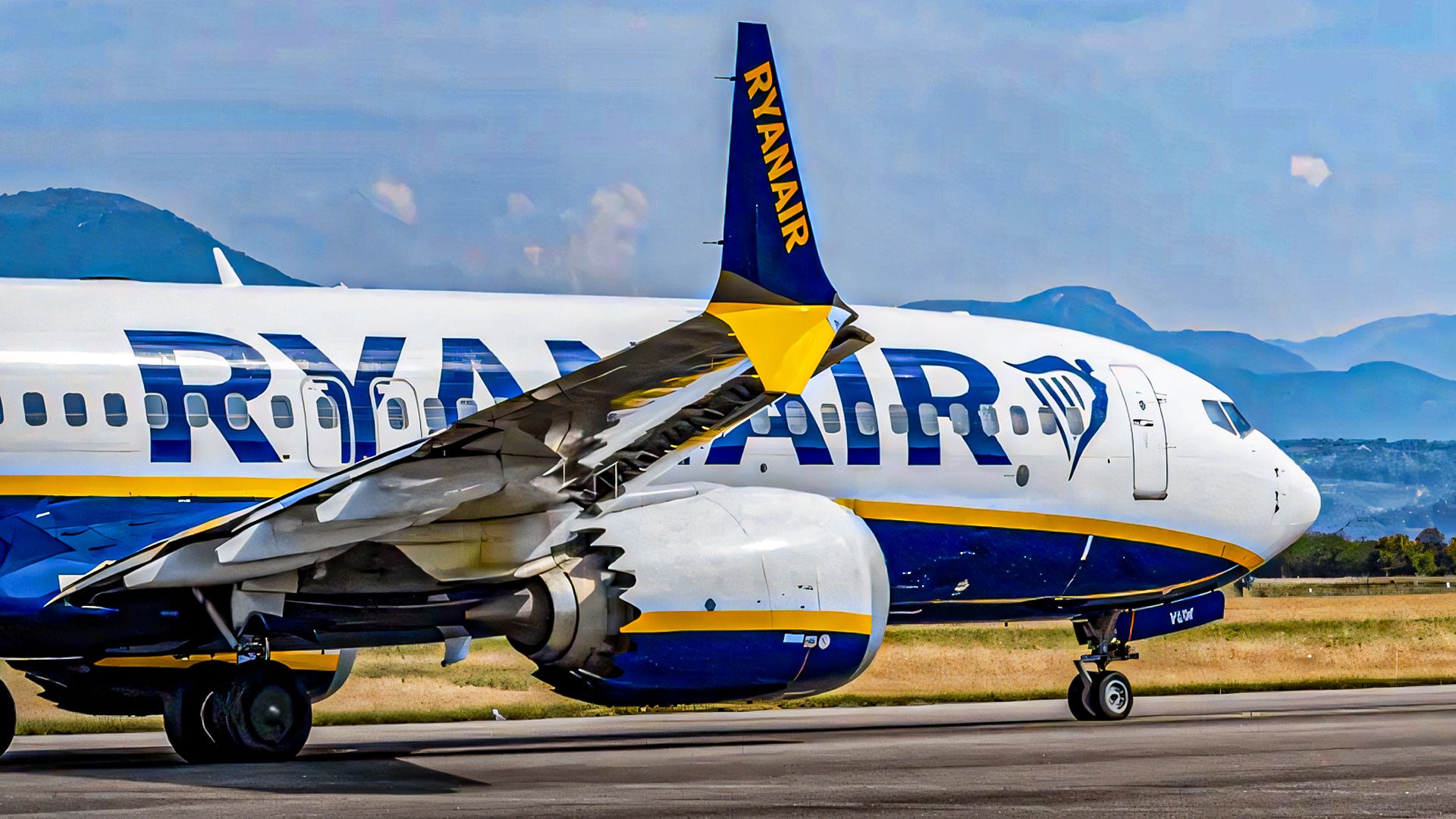
Ryanair is preparing to operate an impressive 350,411 flights using its new Boeing 737 MAX 8-200 aircraft in 2026. This significant move is part of the airline’s strategy to expand its network capabilities while optimizing costs. The airline anticipates having a total of 206 Boeing 737 MAX 8-200 models in its fleet of 643 aircraft by December 31, 2025. The final four units are expected to be delivered by the end of February 2026, marking a pivotal point in Ryanair’s growth plan.
With the introduction of the MAX 8-200, Ryanair aims to enhance its operational efficiency. This variant features a high-density layout, accommodating 197 seats, compared to the 189 seats available on the older 737-800 models. The increased capacity is designed to distribute fixed costs such as crew salaries and airport fees across more passengers, a critical factor in maintaining low fares in competitive markets.
Maximizing Capacity and Cost Efficiency
The Boeing 737 MAX 8-200, often referred to as the “Gamechanger,” is tailored for low-cost carriers seeking to maximize passenger numbers without transitioning to larger aircraft. Ryanair’s focus on this variant reflects its commitment to maintaining a low-cost operational model. The aircraft’s fuel efficiency and reduced noise production are particularly advantageous as Ryanair navigates fluctuating fuel prices and environmental regulations.
Ryanair’s CEO, Michael O’Leary, has underscored the importance of the MAX 8-200 in the airline’s future growth. He noted that the model aligns with Ryanair’s strategy to expand its route network while keeping operational costs low. The airline has flagged 106 new routes for the summer of 2026, which will be supported by the deployment of these aircraft. This expansion is not merely a numbers game; it reflects Ryanair’s ambition to enhance its service offerings and capture market share.
The scheduling data from Cirium Aviation Analytics indicates that Ryanair plans to offer approximately 69 million seats through its use of the MAX 8-200. This translates to about 960 flights per day, highlighting the aircraft’s central role in the airline’s operations. High-demand routes such as those connecting Dublin with London and other major cities will be key targets for these flights.
Strategic Implications for Ryanair
The deployment of the Boeing 737 MAX 8-200 serves multiple strategic purposes for Ryanair. It enables the airline to enhance capacity in congested European markets, where airport slots are limited. By increasing the number of seats available per flight, Ryanair can generate more revenue without the need for additional flight frequencies.
In addition to expanding its short-haul operations, Ryanair is also utilizing the MAX 8-200 for longer leisure flights. This dual-purpose strategy allows the airline to optimize its network while maintaining competitive pricing on various routes. Notably, the aircraft’s operational efficiency supports Ryanair’s goal of offering low fares while preserving profit margins.
The success of this strategy hinges on the timely delivery of the MAX 8-200 aircraft and the airline’s ability to navigate operational challenges such as air traffic control disruptions and seasonal demand fluctuations. Ryanair’s reliance on this model is further emphasized by ongoing delays in the delivery of the larger MAX 10 variant, making the MAX 8-200 a vital asset for the airline’s continued growth.
In conclusion, the Boeing 737 MAX 8-200 is set to play a crucial role in Ryanair’s expansion strategy, reinforcing its position as a leader in the low-cost airline segment. With a strong focus on capacity, cost efficiency, and flexibility, Ryanair is poised to leverage this aircraft to meet the demands of an evolving aviation market. As passengers prepare to board these flights, they can expect a familiar experience that emphasizes value and efficiency, hallmarks of the Ryanair brand.